
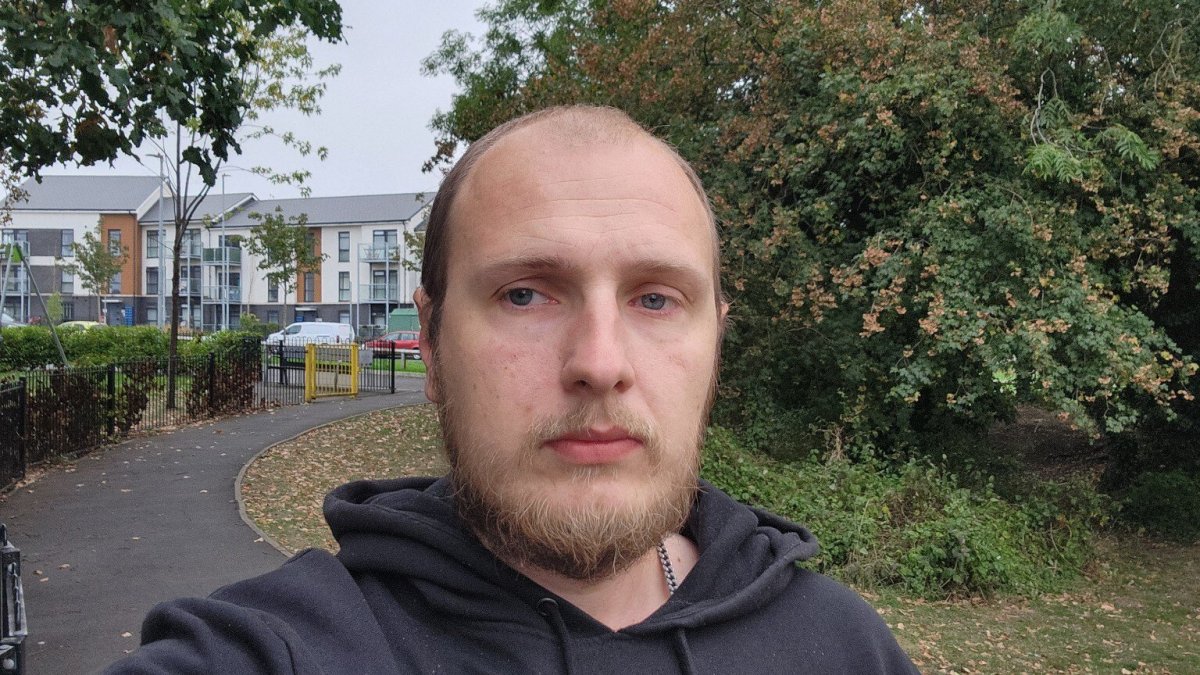
I didn’t become homeless because my rent went up. That’s probably the least tidy way to start a story about Bristol’s rental crisis, but it matters. Until it happened, I’d never seriously thought I could become homeless. At 31, I worked full-time with a salary of £33,500; I had a car and had been earning my own living for years. I couldn’t believe how easily it could all come crashing down. The immediate cause of my loss of home was a family breakdown. The relationship with the person I was living with had been deteriorating for some time, but the incident that meant I could no longer stay there was sudden. Overnight, I was forced to spend 23 nights without a fixed address. The first five were in my car. After I recovered my camping equipment, I moved onto commercial campsites while I looked for somewhere to rent quickly. The BBC recently reported that Bristol has become England’s least affordable city to rent, with average rent amounting to 45 per cent of the average salary, compared with 42 per cent in Greater London. The latest ONS figures put average private rent in Bristol at £1,883 a month in August, up 5.9 per cent in a year. Shorts I was born in Kent, and came to the Bristol area in 2017. It has always been an expensive city, but in the past few years, I started to notice lived-in vehicles around Bristol, from supermarket car parks to Portishead Lake Grounds. Last year, Bristol City Council said there are now more than 600 in the city, more than double the number recorded in 2019. News reports have found that many of these van dwellers have full-time jobs; they simply can’t afford the city’s soaring rents. The city has the highest rates of homelessness in the south west, with 4,390 currently without a home, equating to one in every 113 residents. I thought none of this would impact me; I had SpareRoom, so surely I’d be able to find a new place to live straight away? I also work full-time as a mechanic. I’ve been in the motor trade for 15 years. I had wages coming in, a car and a job I was determined to keep. On paper, I had most of the things that are supposed to stop somebody from becoming homeless. But then every room listing turned into a maths puzzle. The rent was only the first number. How much was the deposit? When did they want the first payment? How quickly could I move in? What would getting to work cost from there? If I paid everything upfront, what would actually be left afterwards? A cheap room could stop being cheap once I added the commute. A room I could comfortably afford every month would still be out of reach if they demanded more than £1,000 there and then to secure it. Meanwhile, being homeless wasn’t free. There were campsite fees, fuel, food that fit around temporary living and all the stupid little costs that appear when ordinary life has to be rebuilt outside a home. A hotel would’ve solved the sleeping problem quickly, but hotel prices would also have eaten the money I needed to stop being homeless permanently. The longer I went without a room, the more temporary living cost me. The faster I tried to get into one, the more money I needed upfront. I spent most of that time in disbelief that having a wage didn’t unlock housing. I was working, earning and turning up in uniform, yet I was still choosing between paying for temporary shelter and protecting the money I needed for a deposit. I didn’t feel destitute. I felt financially cornered, which was somehow stranger. Eventually, I found a room for about £630 a month including bills, with a £500 deposit. A little over a week later, I recovered the rest of my belongings and finally had most of my life in one place again. The next morning, I checked my bank account: 41p. Technically, this was the successful bit. I’d escaped homelessness and had less money left than I’d need to release a supermarket trolley. That felt funny in a fairly bleak way. I could pay the rent. What I couldn’t easily absorb was the sudden cost of losing one home and needing another before I’d had any time to prepare for it. High housing costs shrink the margin for error. If a large part of your income is already going on keeping a roof over your head, building the cash buffer for another deposit, another first month’s rent and another move gets harder. An ordinary change in circumstances can become a much bigger crisis because there’s less money between “everything is fine” and “I need somewhere else to live now”. I’m housed now and in a much better position than I was in July. I sold some belongings, kept working and slowly built a bit of breathing room again. But Bristol’s housing costs haven’t stopped affecting my choices just because I’ve got an address. I’m looking at other jobs now; a job that pays better so I don’t have to be in this position again. That matters in a city where wages can look respectable on paper, while housing still takes an unusually large bite out of them. Bristol’s rental problem doesn’t only affect where people sleep. It affects how much risk they can take, which jobs actually make financial sense and how quickly they can recover when something goes wrong. My experience lasted 23 nights. I had advantages throughout it. I had a job, a car, friends who helped and money coming in. I don’t pretend that makes my experience representative of every form of homelessness. If anything, that’s the part I find most unsettling.
I live in England’s least affordable city – I have a job but still ended up homeless
Full Article
Original Source
Read the full article at Inews →KhanList aggregates and links to publicly available news content. We do not host full articles from third-party sources. Always verify important information with original sources.