
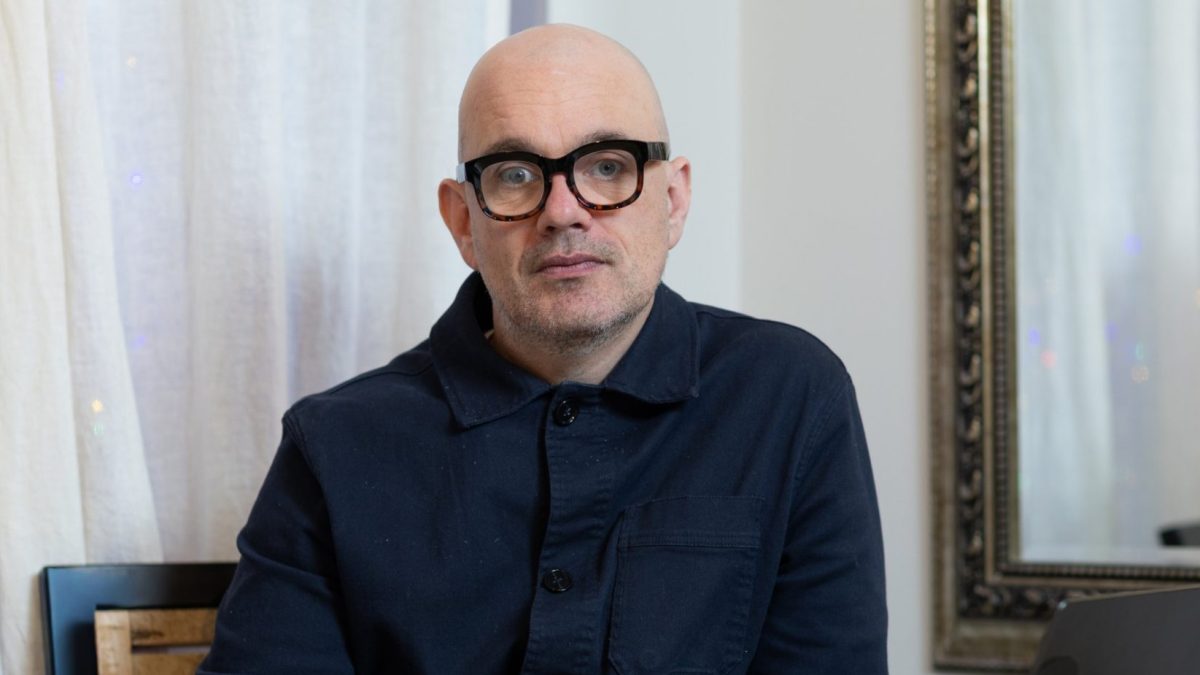
We lived in a row of six terraced houses. Just after Margaret Thatcher’s Right To Buy policy was introduced in 1980, the family next door bought their property from the council. The first thing they did was change the front door. The new one was shiny and white, with mottled glass panels and a nice brass knocker. It was an announcement that they had elevated themselves – the only private owners in the street. The rest of us had plain wooden doors with municipal fittings in dull metal. They were a family of three: dad Colin, mum Janet and teenage son Neil (not their real names). Colin owned his own small business and wore golf jumpers at the weekend. He drove a nearly-new saloon. We sometimes heard him arguing late at night with Neil through the thin walls that divided our homes. Janet was reclusive. Once, I lost my front door key and found myself locked out after school. I was 11, and it was freezing. I stepped next door and rapped on their shiny brass knocker. Through the mottled glass, I saw Janet’s blurred silhouette in the hallway. I crouched down and spoke through the letterbox, explaining my predicament. Could I wait inside her house until my mum got home from work in a couple of hours? Janet hesitated silently, then walked away. Shorts I lived in that house with my mum until I went off to university. Although I went to a comprehensive school, most of my mates lived in bigger homes owned by their parents. I never really thought about the difference. I was never aware of any stigma attached to living in a council house. I can’t remember anyone ever making a comment. My dad had been raised in a council house with his seven siblings. It just seemed normal to me. No one else in our street ever exercised their right to buy. My mum was never in a financial position to do so, even at the large discounts the scheme offered to long-term tenants. But she said she wouldn’t have bought it either way: “Once we’re gone, it should go to another family who needs it as much as we did.” But why did it have to be a choice between my mum’s position and that of Colin and Janet? If the government had pledged to invest the proceeds of Right To Buy into replenishing housing supply, society could enjoy both choice and stability. Instead, they have sold over two million homes since 1980 and failed to replace them. Andy Burnham has put social housing at the centre of his vision for government, pledging earlier this year to invest the entire £39 billion affordable housing budget into new homes for social rent. However, last month his government announced that only 60 per cent of the budget would go towards such homes. Shelter’s Brick By Brick report says more than 1.3 million households are on social-housing waiting lists in England, while more than 176,000 children are currently living in temporary accommodation, the highest figure since records began. Social housing offers secure tenancies and below-market rents that are more predictable than in the private sector. The problem is there simply isn’t nearly enough of them. Over the past decade alone, there has been a net loss of more than 260,000 social-rent homes. Last month, Reform announced it would prioritise British workers under 35, veterans, and married couples with children when allocating council homes, should it come to power. Nigel Farage has pledged to evict foreign nationals from council housing. Richard Tice has argued that homes should instead go to people who have, as he put it, “done the right thing” by “getting a job and working for their community”. Once a public provision becomes scarce, politics becomes a fight over who deserves access to it. Council housing is increasingly regarded as emergency welfare provision for those in acute need. Once, it was a much more mainstream option for ordinary working families. In the late seventies, around 30 per cent of households in England lived in council housing. By 2023, it was just six per cent. But an adequate supply of decent social housing should be regarded as a vital part of our social infrastructure. Through social housing, Sam built a life in a ‘stable environment’ (Photo: Teri Pengilley/The i Paper) I lived in that house with my mum until I went off to university. Although I went to a comprehensive school, most of my mates lived in bigger homes owned by their parents. I never really thought about the difference. I was never aware of any stigma attached to living in a council house. I can’t remember anyone ever making a comment. My dad had been raised in a council house with his seven siblings. It just seemed normal to me. No one else in our street ever exercised their right to buy. My mum was never in a financial position to do so, even at the large discounts the scheme offered to long-term tenants. But she said she wouldn’t have bought it either way: “Once we’re gone, it should go to another family who needs it as much as we did.” But why did it have to be a choice between my mum’s position and that of Colin and Janet? If the Government had pledged to invest the proceeds of Right To Buy into replenishing housing supply, society could enjoy both choice and stability. Instead, they have sold over two million homes since 1980 and failed to replace them. Andy Burnham has put social housing at the centre of his vision for government, pledging earlier this year to invest the entire £39bn affordable housing budget into new homes for social rent. However, last month his government announced that only 60 per cent of the budget would go towards such homes. Shelter’s Brick By Brick report says more than 1.3 million households are on social-housing waiting lists in England, while more than 176,000 children are currently living in temporary accommodation, the highest figure since records began. Social housing offers secure tenancies and below-market rents that are more predictable than in the private sector. The problem is there simply isn’t nearly enough of them. Over the past decade alone, there has been a net loss of more than 260,000 social-rent homes. Last month, Reform announced it would prioritise British workers under 35, veterans, and married couples with children when allocating council homes, should it come to power. Nigel Farage has pledged to evict foreign nationals from council housing. Richard Tice has argued that homes should instead go to people who have, as he put it, “done the right thing” by “getting a job and working for their community”. Once a public provision becomes scarce, politics becomes a fight over who deserves access to it. Council housing is increasingly regarded as emergency welfare provision for those in acute need. Once, it was a much more mainstream option for ordinary working families. In the late seventies, around 30 per cent of households in England lived in council housing. By 2023, it was just six per cent. But an adequate supply of decent social housing should be regarded as a vital part of our social infrastructure.
I grew up in a council house – and saw the disastrous failure of Right to Buy
Full Article
Original Source
Read the full article at Inews →KhanList aggregates and links to publicly available news content. We do not host full articles from third-party sources. Always verify important information with original sources.