
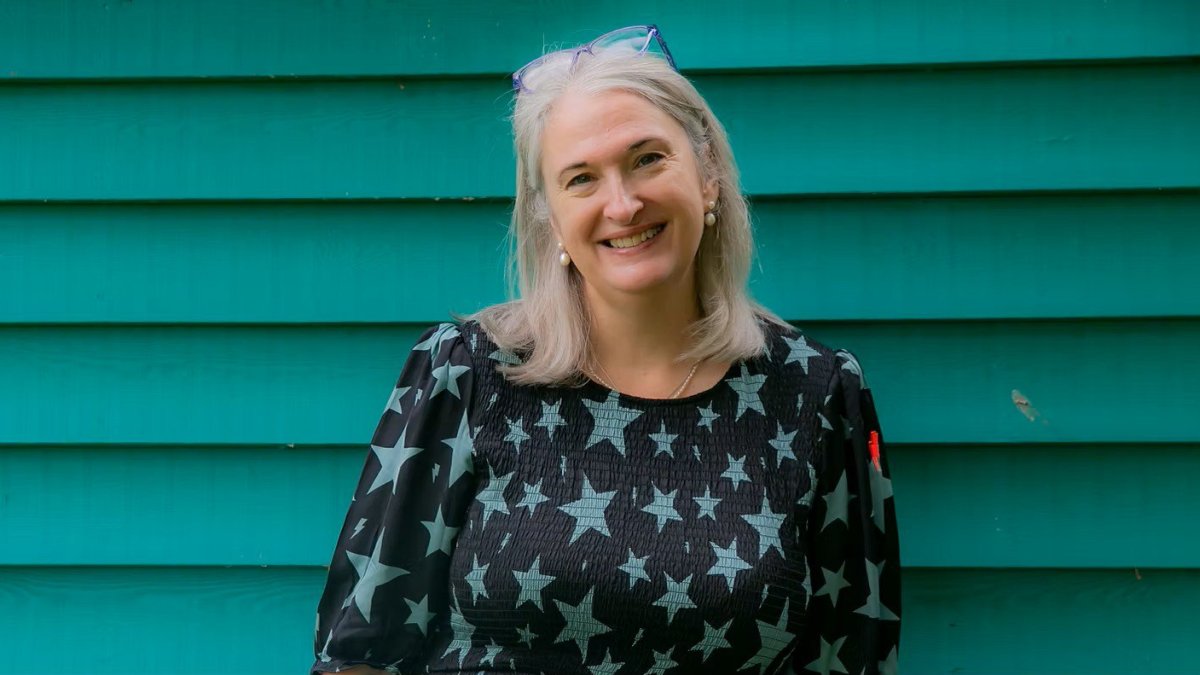
For almost 30 years, Claire Tindal worked her way up the education ladder, eventually earning £75,000 a year in a senior leadership role. On paper, she had everything she’d worked towards: an impressive salary, a respected position and financial security. But behind the scenes, her job’s pressures were taking an increasingly heavy toll. She was struggling with mounting anxiety, sleepless nights and a workload that seemed impossible to manage. “I loved my role, but when I became totally overwhelmed, I knew I had no choice but to leave,” says Claire, who walked away from her career in 2022 at age 53. She is among a growing number of people questioning whether a high salary and senior job title are worth the stress that comes with them, particularly as they approach their fifties. Rather than keep climbing the career ladder, some are choosing to downshift, deliberately taking lower-paid, less demanding jobs in exchange for more time, flexibility, and a better quality of life. Thousands of over-fifties are choosing to embark on a second career in an entirely new field. Research from the longevity think-tank Phoenix Insights shows that a third of the current 45-54 cohort expects to change careers before retirement. For Claire, 57, who lives in Devon, the decision came after years of juggling an increasingly demanding job, overseeing headteachers and school performance, alongside responsibility for HR, IT, estates, and health and safety, with personal pressures. “I was always on duty,” she recalls. “I received a high volume of emails and phone calls every day, including before and after work hours.” Even school holidays offered little respite, with building maintenance projects demanding her attention.Meanwhile, stresses in her personal life were mounting. Her father died in 2019; she was caring for her mother, who had multiple sclerosis, and worsening menopausal symptoms were contributing to anxiety and insomnia. The pandemic only compounded her difficulties. Claire now recognises she was experiencing burnout, with years of overwork and caring responsibilities taking their toll. Eventually, she decided something had to give. In 2022, she resigned without knowing what she would do next, walking away from the salary, pension benefits and job security she’d become accustomed to. Her mum had passed away, and she used her inheritance money to tide her over while she retrained as a leadership coach and trained as a school inspector. Now entering her fourth year running her own business, Tindal Leadership, she has built a portfolio career combining coaching, school inspections and events for female leaders, alongside some property income. Her working routine has been transformed. She’s adopted a four-day week, rarely starting before 10am and always finishing by 6pm. “The best thing about being self-employed is that I frequently flex my calendar and take time off for things in my personal life that matter, which I wasn’t able to do before,” says Claire. But the freedom has come at a high financial cost. She estimates she now earns around a fifth of what she did at the height of her career. Gone are the days of routinely spending hundreds of pounds on new clothes and other luxuries. Instead, she shops second-hand and has learned to live more modestly. At 55, she also began drawing her occupational pension early to supplement her earnings. Yet she insists the trade-off has been worthwhile. “I’m much happier and fulfilled. I love what I do, and love working for myself,” she says. Her anxiety has subsided; she sleeps well most nights and, although she misses the camaraderie of her former colleagues, she’s built a new community of friends through her work. Claire is far from alone in deciding that a smaller salary is a price worth paying for a better work-life balance. Research published by Standard Life in 2025 found that more than a third (37 per cent) of workers aged 55 and over would consider leaving their job if their ability to work flexible hours was significantly reduced. Meanwhile, almost a quarter (24 per cent) said they would accept a pay cut in exchange for more flexible working options. For Sian, 54, who lives near Luton, the desire to escape an all-consuming career led her to swap a £60,000-a-year dream publishing job for a £24,000 role packing food and labelling products in a local factory. After two decades in publishing, she had risen to manage a marketing team. But what began as a career driven by a passion for books had turned into a relentless cycle of deadlines, targets, and pressure. “I was working full time in the office, and often working when I got home, too. When I slept, I dreamt about work. My life was full of targets, pressure, and I ground my teeth at night so badly that I managed to chew through two mouth guards,” she says. As she approached her fifties, menopausal symptoms were making her demanding job feel even more difficult. “I used to be able to do my job on autopilot, but when I hit 50, my brain just found it more difficult to perform simple tasks, and I was constantly exhausted.” She began fantasising about doing something less stressful, often spending her commute daydreaming about a job that wouldn’t dominate every waking hour. Initially, she hoped a little more flexibility might make her existing role manageable. She asked her bosses if she could work from home two days a week, but they refused, citing “business needs”. It was the final push she needed to start looking elsewhere. Then, one day, while sitting in traffic, she spotted a “we’re hiring” sign on the railings outside a local factory. When she got home, she Googled the business and filled out an application without thinking much. A week later, they invited her to interview. Only then did she discover the salary was £24,000, a staggering £36,000 less than she’d previously earned. “I did wonder, ‘how the hell will I be able to live off that?’ but I also knew I could make it work if I really wanted to.” Fortunately, Sian’s financial circumstances made the decision easier than it might have been for someone still facing substantial mortgage repayments. As a single mother to a grown-up daughter, she’d paid off her mortgage in 2018, so her monthly outgoings were relatively low. She no longer had childcare costs either. “I kept thinking, what’s the point of earning all that money if I don’t like my job, and I am too tired to enjoy my life?” Not everyone understood her decision. Sian’s former boss and several colleagues tried to persuade her to stay, struggling to comprehend why someone would voluntarily give up a successful career for a factory job. “They all thought I was insane. I didn’t tell them how much of a pay cut I would be taking; I was almost embarrassed to admit I’d be on minimum wage. But I knew I was doing the right thing for my mental health.” Her new job involves packing food and labelling products, a world away from managing marketing campaigns and teams. But the biggest difference is what happens at the end of the working day. “When I leave work, that’s it. No emails or phone calls about things needing done. My free time is my own.” And the benefits have extended beyond simply having more hours to herself. “I’ve stopped grinding my teeth, and I sleep so much better, which may be down to having a physical job, rather than sitting at a screen all day.” With her evenings and weekends finally her own, she’s rediscovered the pleasure of having hobbies that have nothing to do with work. “I’ve become really interested in DIY and interiors, and I am enjoying doing lots of little projects around the house.” However, Sian hasn’t quite managed to leave one part of her old career behind. “I started a factory book club, because I can’t seem to let books go!” she laughs. Both women acknowledge that giving up a substantial salary isn’t a realistic option for everyone. But their experiences challenge the assumption that career success must always mean earning more, taking on greater responsibility and climbing ever higher. For Claire, the biggest lesson has been discovering that a fulfilling life doesn’t necessarily require a large salary. “You can be happier with less,” she says. “I think as long as you can pay the bills and have a little money for having a good life, that’s enough.”
I downshifted at 53 and quit my high-powered £75,000 job – I’ve never been happier
Full Article
Original Source
Read the full article at Inews →KhanList aggregates and links to publicly available news content. We do not host full articles from third-party sources. Always verify important information with original sources.