
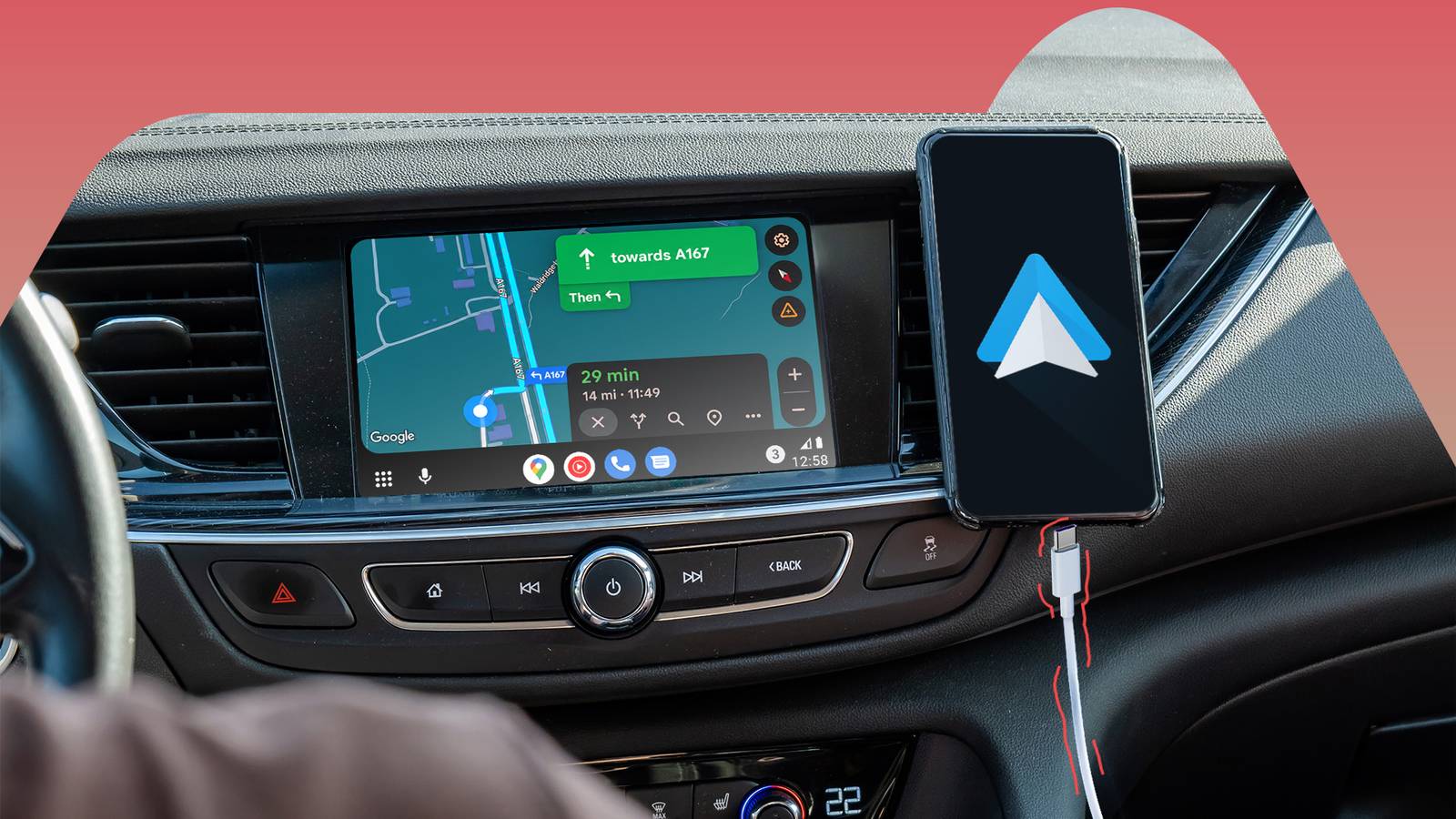
Published Aug 23, 2026, 11:15 AM EDT I've been covering Android and other mobile technology for close to ten years now, with a specific interest in phone accessories, e-readers, and what makes each individual phone different from another. I delight in looking at the phone market from as many angles as possible, and while my opinions may be odd, at times, they're always from the heart as much as the head. I have a background in the mobile accessories world, which explains my odd enthusiasm for cases and things that clip onto smartphones. I worked for Digital Trends from 2017 to 2025. I am perhaps the only person at Android Police who regularly goes out to bat for wireless Android Auto. Despite the horror of my colleagues, I use it all the time. It's my go-to way of using Android Auto, and I can't imagine why anyone would use the wired version if they could use wireless. Which is why it baffles me that person after person claims that wired Android Auto is the only way to go. I feel like a madman, but I refuse to back down. I do not understand why anyone is still using wires for Android Auto. How are you keeping your wires in? What sort of smooth roads are you all on? My first experience with Android Auto was through a wired connection, and it was terrible. My car only supports Android Auto through a cable, so I was always going to use it that way. And it started just fine; plug it in, and after a little poking at the screens, it was ready to go. Champion, off to a good start. Rolled down the drive, onto the road, around a corner and— oh, the cable fell out. Never mind, pull over, pop it back in, start again. Over a speed bump, and— it fell out again. Hm. I'm exaggerating for the sake of drama, and it wasn't as bad as that. I could go a mile without it dropping out. But it was extremely prone to dropping out on bumpy roads, or when going around corners. And I hardly need to tell you that a wired Android Auto connection needs a connected wire to work. As soon as I could, I purchased a wireless adapter and a fancy cradle to hold my phone. You might think it was my phone at fault, and you'd be wrong. We had to use my partner's Google Pixel 7 Pro for Android Auto on a recent holiday, and rather than re-pair my wireless adapter, I popped it into the cradle and stuck the wire in. A few miles down a country lane, the cable decided life on the floor was preferable to a USB-C port, and it made a mad dash for freedom. I may be cursed with particularly loose ports or tiny connectors. But no matter what, I couldn't get a reliable wired connection. So I gave up and went wireless. The wireless adapter has its own problems But I'll take convenient inconvenience any day None of this is to say my wireless adapter doesn't have its own problems. It's a rare piece of tech that doesn't, and those problems tend to multiply when you're dealing with tech that talks to other tech. In this case, it tends to be temperamental about how and when it's used. If I don't take the adapter out of the USB port in my car after using it, it's more likely to refuse to work the next time I need it. Even when I take it out, there's a small chance it decides not to work and refuses to connect. There's no rhyme or reason to this refusal; it just straight up pretends it doesn't work, it never worked, and never will. Restarting the car and/or my phone tends to prove it wrong, but it never stops being annoying when it randomly decides it no longer works. And even when it does work, it takes ages for it to connect to my phone and boot up Android Auto. But even with those problems, it's the better choice for me. And that's because I'll take convenient inconvenience over convenient any day. What do I mean by that? In short, I know the failure points on wireless Android Auto, and crucially, they all come before any driving takes place. It doesn't drop the connection, and it doesn't slow down. When it's connected, it's reliable, and it works. But if I'm using wired Android Auto, the cable dropping out is a failure point that happens while I'm driving. And while popping it back in wouldn't take long, at that point I'm no longer giving the road my full attention. I don't need to tell you why that's bad. It's not "better the devil you know;" it's "better the devil you can deal with at a convenient time." No Android Auto connection is perfect, but one is definitely better. At least, in my experience. I'm lucky that I get none of the common problems It's worth experimenting with It's worth pointing out that I also haven't fallen prey to any of the pitfalls supposedly common to wireless Android Auto. I haven't had any connection drops, slowdowns or stutters, and no freezes. My phone has also never overheated. I don't know whether this is luck or my Spigen Cryomax cradle doing what it's meant to, but I admit if I had gotten these problems I'd be less rosy about wireless Android Auto. But I don't, and you might not either. So if you haven't tried wireless Android Auto after all the naysayers put you off, give it a try. It might surprise you. Spigen Cryomax MagFit Qi2.2 25W MagSafe Car Mount Wireless Charger
I ditched wired Android Auto after the cable wouldn't stay connected; here's why wireless wins
Full Article
Original Source
Read the full article at Androidpolice →KhanList aggregates and links to publicly available news content. We do not host full articles from third-party sources. Always verify important information with original sources.