
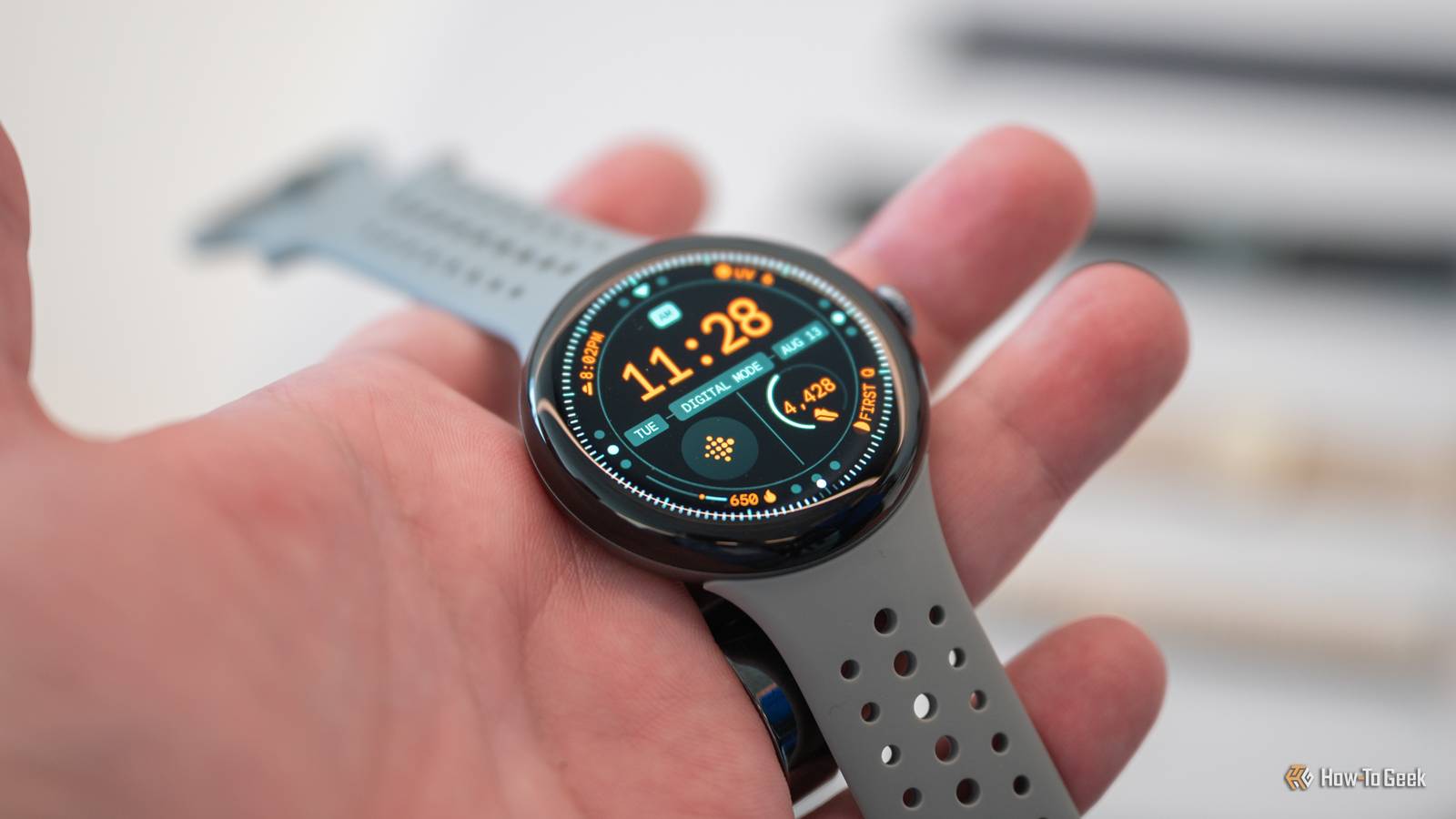
Published Oct 9, 2026, 6:30 AM EDT Arol is a tech journalist who currently works as a contributor at How-To Geek since 2022. He first began writing online for the short-lived portal of Spanish-language gaming forum Emudesc in 2013. Years later, in 2017, he got his true start in tech journalism working for a small Google-focused site called Pixel Spot. He transitioned to a news and feature writer role at XDA Developers that same year, where he worked until 2021 before making the jump to other websites. Arol brings nearly a decade of writing experience, and the occasional hot take, to his writings. While he's a technology lover at heart, he holds computer hardware and smartphones particularly close to heart. You'll normally find him covering news, although he has also written the occasional deal, buyer's guide, how-to post, and round-up. He's also written for Android Police and MakeUseOf. He's also a Political Science student. When he's not writing, you'll probably find him hitting the gym, trying to ace a new hobby, reading his textbooks, or traveling. You can reach him at me@arolwright.com. Let me be clear about something — I've been looking for a way to desperately cut down on my screen time. Not just for an article, but like, actually. I think it's a problem. Turns out, actively integrating your smartwatch into attempts to curb that is actually a great idea. What did it change? Evenings got quieter, and the watch did the filtering The biggest shift was how many decisions disappeared. A phone in your pocket asks for a decision every time it buzzes: look or ignore, reply or postpone. Once the phone stayed out of reach, the watch became a filter. Calls and messages from the people I actually care about could still reach my wrist, while the rest of the notification pile waited on a device I wasn't touching. The Pixel Watch lets you choose which apps can notify you, so I could tune the filter instead of using a blunt on-or-off switch. The practical side improved too. Timers, music controls, a quick glance at the weather, and contactless payments all work from the wrist, so the usual excuses for grabbing the phone (my favorite one probably being "I just need to set an alarm" or "I need to check my texts") mostly stopped working. Because the watch handles those small chores, picking up the phone no longer had a legitimate-sounding reason attached. There was also a knock-on effect on sleep. Without a lit screen near the bed, winding down felt less like a negotiation. The watch's bedtime mode dims the display and silences most interruptions, which pairs naturally with a phone that is already across the room. I can't claim this fixed anyone's sleep, and the effect will vary from person to person, but the evenings felt less fragmented. Fewer micro-interruptions meant I could finish a book chapter, cook without a podcast stalling, or hold a conversation without a glance at a screen halfway through. What did it not change? The urge to check never really went away Keep in mind that a watch such as the Pixel Watch does not rewire a habit. The impulse to reach for my phone when I felt bored, anxious, or briefly unoccupied stayed, and the setup only made acting on it slightly more inconvenient. Friction helps, but it is not the same as wanting something less. On evenings when I was tired or stressed, the phone was still only a few steps away, and willpower, not hardware, decided what happened next. The watch also has a screen, which is a quiet irony of this whole approach. A wrist that lights up with every message is still a notification machine, only smaller. If you leave every app enabled, you have just moved the distraction from your pocket to your arm. The system works only when you configure the watch to stay mostly silent, and that setup is a one-time chore you have to take seriously. Work and social obligations didn't disappear either. If your job expects an answer at 7 PM, a stricter evening routine doesn't change that expectation, and a colleague won't adjust their habits because you bought a smartwatch. You can mute channels and set boundaries, but those are conversations, not features. Screen time overall also didn't fall as much as I expected. Some of the time moved to other screens, like a laptop or a television, because the underlying appetite for stimulation stayed constant. The phone-free window cut one source, but it did not by itself cut the habit of seeking a screen. Finally, the watch needs charging, and fitting that around sleep tracking takes a little planning. Is it even worth doing this? Worth it, if you accept the tradeoffs For me, the answer is a qualified yes. The setup costs very little once it is running, and the benefits show up in small, ordinary moments rather than dramatic transformations. If your main problem is reflexive phone checking in the evening, this approach attacks it directly by removing the excuses and keeping the essentials on your wrist. It makes the most sense for people who already own a smartwatch or were considering one for other reasons. Buying a watch only to enforce a phone curfew is a much harder sell, since cheaper options exist. A basic alarm clock, a kitchen timer, and a charger placed outside the bedroom cover a large share of the same ground for almost no money. The watch earns its place when you want calls, payments, and a handful of alerts to remain reachable without the phone. As it's usual, I'll also be honest about who this will not help. If work demands, caregiving, or the need to stay reachable dominate your evenings, a strict cutoff may create stress instead of relief. The same goes for anyone who treats the phone as a core part of how they relax; forcing a rule onto that habit may just breed resentment. My suggestion is to treat it as an experiment. Try it for two weeks, keep the notification list short, and pay attention to how your evenings feel rather than to a screen-time number. If the quiet is noticeable and the watch handles the practical gaps, keep it. If you find yourself constantly breaking the rule, the problem is probably the rule, not you, and it is fine to adjust the cutoff time or the apps you allow. A watch can guard your evenings, not your habits The Pixel Watch made a 6 PM phone cutoff practical by handling calls, timers, and payments. It didn't remove the urge to check or reduce total screen use much. Treat it as a two-week experiment, keep notifications minimal, and judge it by how your evenings feel.
I built a “no phone after 6 PM” system around a Pixel Watch, and it changed more than my screen time
Full Article
Original Source
Read the full article at Howtogeek →KhanList aggregates and links to publicly available news content. We do not host full articles from third-party sources. Always verify important information with original sources.