
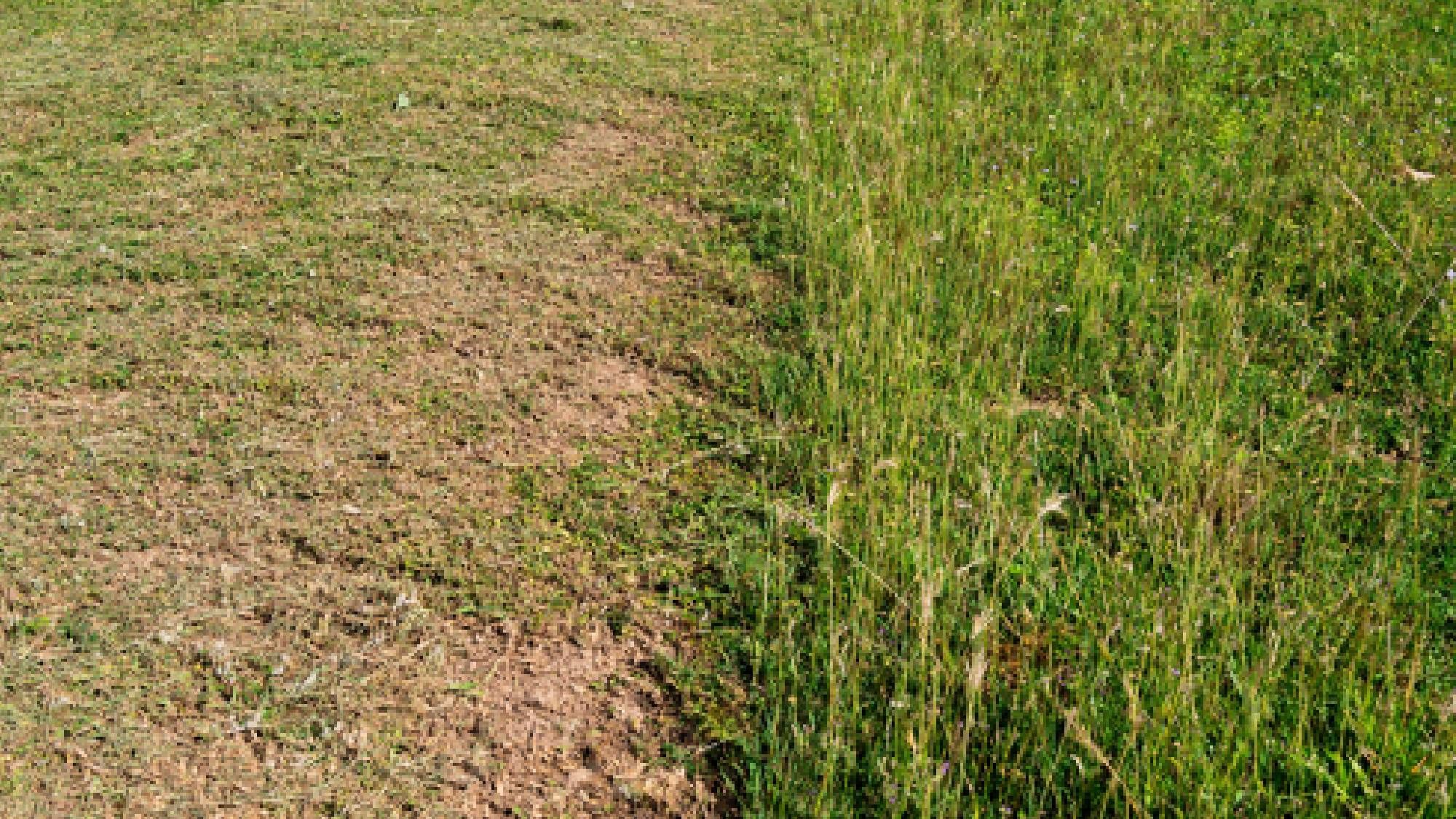
Between the summer heatwave and a strictly enforced watering restrictions, my yard didn't stand a chance. By late August, it looked like a doormat. Straw-like and baked dry — it was tempting to accept defeat and leave it till next year.Then I caught myself and remembered: a brown lawn is usually just dormant and playing defense. As cool weather and seasonal rain roll in, fall offers the ultimate window for a full comeback. If you follow the right recovery plan.If you want to transform your drought-damaged lawn into a lush, resilient yard before winter hits, here's what you need to do.1. Aerate compacted soil Heat and foot traffic compact soil throughout summer, restricting air and water movement to the root zone. Aeration removes small plugs of soil, opening pathways for water, oxygen, and nutrients to reach the roots.Fall aeration is particularly effective because the lawn recovers during its peak growing season. You can rent an aerator, hire a professional, or use a manual aerator or garden fork for smaller lawns. (Image credit: Shutterstock)Aerate when soil is moist but not waterlogged. This ensures the plugs pull cleanly without clogging. Leave the soil plugs on the lawn to break down naturally.Aeration combined with deep watering dramatically improves recovery because water and nutrients now reach the roots more effectively.Get instant access to breaking news, the hottest reviews, great deals and helpful tips.2. Overseed bare patches and thin areasHeat stress creates bare spots where grass dies back completely. Fall is ideal for overseeding because cooler temperatures and increased rainfall help new seeds germinate. (Image credit: Shutterstock)Start by lightly raking dead material out of bare patches. This removes the thatch layer and allows seeds to contact the soil.Scatter new grass seed over thinned areas and keep the soil consistently moist until the grass establishes. The key here is consistency. Uneven watering disrupts germination, so check daily and water lightly if rain doesn't fall.New grass filling in before winter means you'll have a fuller lawn by spring instead of waiting until next summer to see improvement.3. Water deeply rather than frequentlyA struggling lawn needs deep watering, not daily sprinkles. Short, frequent waterings encourage shallow roots that can't access moisture deep in the soil when drought returnsDeep watering forces roots to grow deeper, creating a stronger root system that supports the grass through stress. (Image credit: Shutterstock)Water once every few days, applying enough to soak six inches down. Early morning or late evening watering minimizes evaporation and reduces scorching risk.You'll know you're watering deeply enough when moisture penetrates the soil without pooling on the surface.4. Apply lawn fertilizer as growth resumesHeat and drought deplete soil nutrients, leaving your grass unable to grow vigorously. Once temperatures cool and the grass begins active growth again, a quality slow-release fertilizer supports recovery. (Image credit: Shutterstock)Timing matters. Apply fertilizer only when the soil is moist and the grass is actively growing, not when conditions are still dry.Follow application instructions carefully, as over-fertilizing can damage recovering grass. Slow-release formulas feed gradually, supporting consistent growth without shocking stressed plants.The fertilizer replenishes nitrogen, phosphorus, and potassium that heat stress depletes. Combined with improved watering and aeration, fertilizer helps your lawn shift from survival mode to genuine recovery and growth.5. Strengthen roots with liquid seaweed Liquid seaweed conditions soil while encouraging deeper root growth and improving nutrient uptake. Regular applications help grass recover faster from heat stress and build resilience against future droughts.Seaweed provides trace minerals alongside growth-promoting compounds that strengthen the grass from the root level up. (Image credit: Shutterstock)Apply it every three to four weeks during the growing season. Healthier roots mean the grass retains moisture better, stays greener during dry periods, and recovers more quickly when conditions improve.While this isn't a quick fix, this recovery plan builds long-term lawn health — laying the quiet groundwork now so come next spring, you'll have a lush lawn instead of staring at a sea of straw. Follow Tom's Guide on Google News and add us as a preferred source to get our up-to-date news, analysis, and reviews in your feeds. Subscribe to Tom's Guide on YouTube and follow Tom's Guide Entertainment on TikTok and Instagram. More from Tom's Guide Those pretty purple flowers are secretly destroying your lawn — here's why wild violets outsmart every weed killer and what actually works11 secrets to a lawn that’s greener than your neighbor'sMy lawn was completely fried after the heatwave — to save it I had to stop making these 3 mistakes
I brought my brown lawn back to life using these 5 recovery steps
Full Article
Original Source
Read the full article at Tomsguide →KhanList aggregates and links to publicly available news content. We do not host full articles from third-party sources. Always verify important information with original sources.