
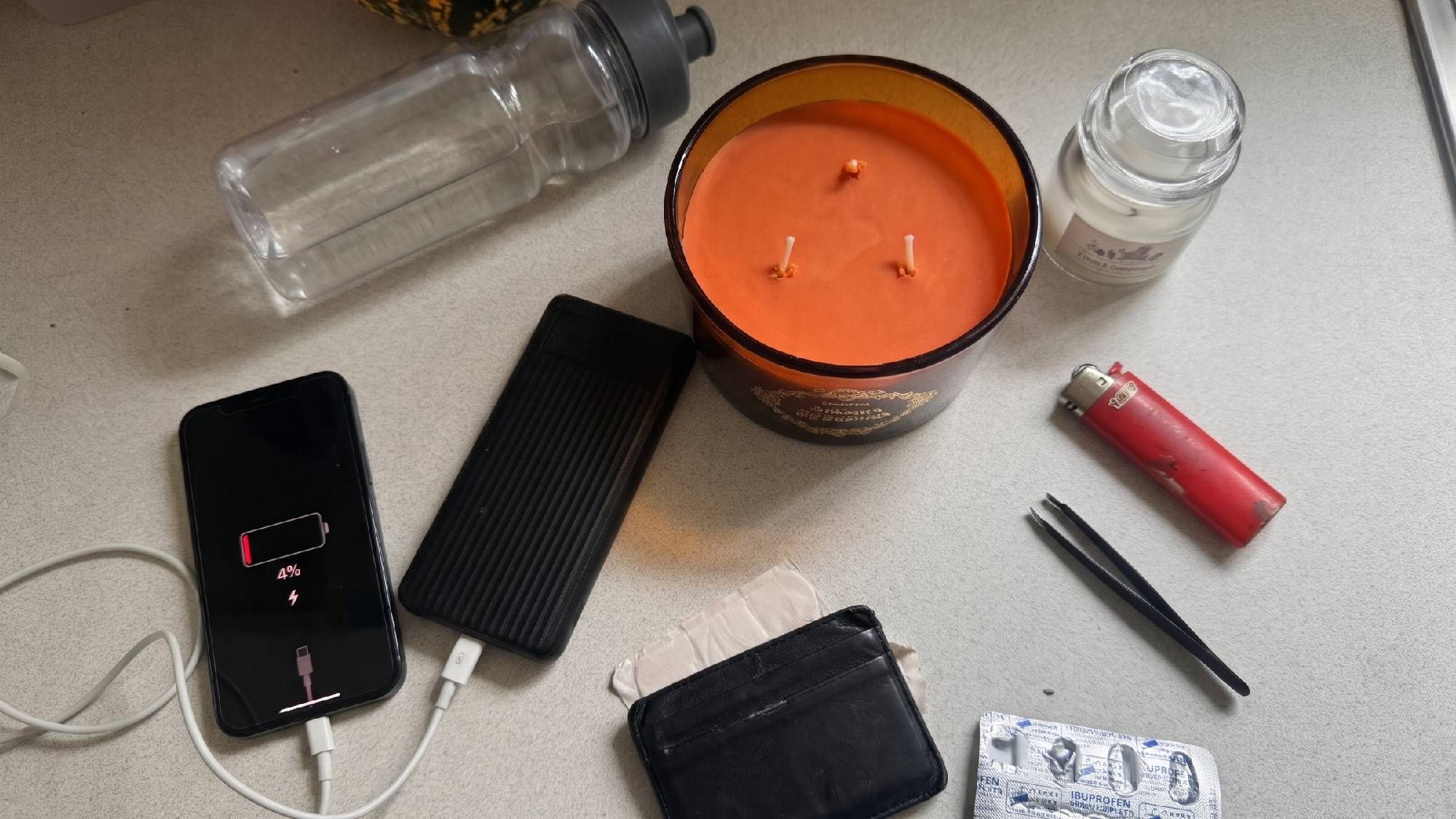
(Image credit: Tom's Guide) Every time an emergency agency pops up on the news suggesting households keep a 72-hour emergency kit on hand, I do the same thing: nod knowingly, assume they’re talking to someone far less organized than me, and scroll on.In my head, I’m a reasonably capable adult. The fridge is full, there are batteries rattling around in a drawer somewhere, and I have a phone flashlight. Surely that counts as disaster preparedness.Curiosity finally won out, so I decided to run an honest, room-by-room audit of what would actually happen if our power lines went dark for three straight days. The verdict was... humbling.It turns out my master survival plan was heavily reliant on an active Wi-Fi connection, an electric stovetop, and blind optimism. Here's five glaring blind spots I completely overlooked, and what you should do so you don't make the same mistakes. 1. Zero flashlights and an iPhone on 18% Opening my junk drawer during the audit revealed two decorative candles, a lighter that took six clicks to spark, and I didn't have a flashlight. My entire plan, it seemed, was an iPhone and an ancient power bank that refused to charge past 12%. Using a phone flashlight burns through battery, leaving you without light, or a lifeline. Retire your phone as a light source and stash dedicated LED lights or magnetic lanterns where you can grab them in pitch black, like a bedside drawer. Pair them with an inexpensive hand-crank AM/FM emergency radio: it pulls in vital civil broadcasts with zero Wi-Fi, and the built-in dynamo handle doubles as a manual charger as a last resort if your devices die. 2. Counting on a depleted first aid kit I went looking for medical supplies and found a dusty tin with three sports bandages, one pack of ibuprofen, and a pair of blunt tweezers. That was the entirety of my home trauma unit. Navigating in the dark makes minor injuries inevitable, and local clinics won't be running at full capacity during a power cut.Ditch the half-empty tin and get a proper, sealed multi-day medical kit stocked with sterile dressings, burn gel, antiseptic wash, and heavy-duty elastic wraps. Crucially, audit your prescription medications right now and set a reminder to refill them at least a week before they run dry. When a storm knocks out power, pharmacies can't access electronic dispensary records, and nobody is handing out prescription pills over a dark counter. 3. Plenty of food, but no way to cook it A packed fridge gives you an immediate, unearned hit of confidence. But an unopened fridge only holds safe temperatures for about four hours, and my pantry was full of dry pasta, lentils, and rice — meals that require boiling water and an electric stove. Unless I fancied crunching raw fettuccine in the dark, I had zero edible food past day one.Do a pantry check for foods that require zero heat and zero added water. Build a reserve of ready-to-eat staples: crackers, canned fish, pull-tab soups, peanut butter, spam, nuts. It won't win culinary awards, but it keeps you fed without burning precious cooking fuel or risking food poisoning on day three. 4. Assuming the taps will keep running Municipal water relies on electric booster pumps. If the grid fails, pipe pressure drops fast, or contamination triggers boil-water alerts you can't comply with on a dead stove. My total water reserve was half a fridge filter carafe and a gym bottle on my desk.Store the emergency baseline: four litres (one gallon) of water per person, per day, split between drinking and basic hygiene. For a 72-hour blackout, keep a minimum of 12 litres per person tucked into a dark cupboard or wardrobe, plus extra if you have pets. It's worth noting that your water heater has around 150-300 liters stored inside it too in case of an emergency. 5. Zero paper money when card machines fail Digital payments die the instant the power cut hits. Point-of-sale card readers, phone taps, and bank networks go dark, turning plastic and smartwatches into useless props. Checking my own bags, pockets and drawers produced exactly zero physical money. If you're able, withdraw an emergency cash reserve and stash it. The guidance states between $100 and $500 depending on your family's size, covering essentials if card systems remain offline for several days. If you're like me and withdrawing in one go isn't feasible, simply start tucking away leftover change. Every little helps, and it adds up quickly. (Image credit: Future)Follow Tom's Guide on Google News and add us as a preferred source to get our up-to-date news, analysis, and reviews in your feeds. Make sure to click the Follow button!More from Tom's Guide 3 warning signs your home needs attention before a small fix becomes a big billThe 4 emergency phone tweaks that keep your battery alive in a power outageWinter storms are coming — drain your sprinkler system now before it freezes and cracksGet instant access to breaking news, the hottest reviews, great deals and helpful tips. Kaycee is the How-To Editor at Tom’s Guide, crafting no-nonsense tutorials across phones, home hacks, TVs, beauty tech, and grooming. If it plugs into a wall, sits on a vanity, or refuses to work when you need it most, she’s probably written a guide on it. Beyond troubleshooting everyday life, Kaycee is an award-winning poet, a quintessential Aries, and perpetually replaying the same four RPGs on repeat.
I audited my home for a 3-day blackout: 5 critical things I completely missed
Full Article
Original Source
Read the full article at Tomsguide →KhanList aggregates and links to publicly available news content. We do not host full articles from third-party sources. Always verify important information with original sources.