
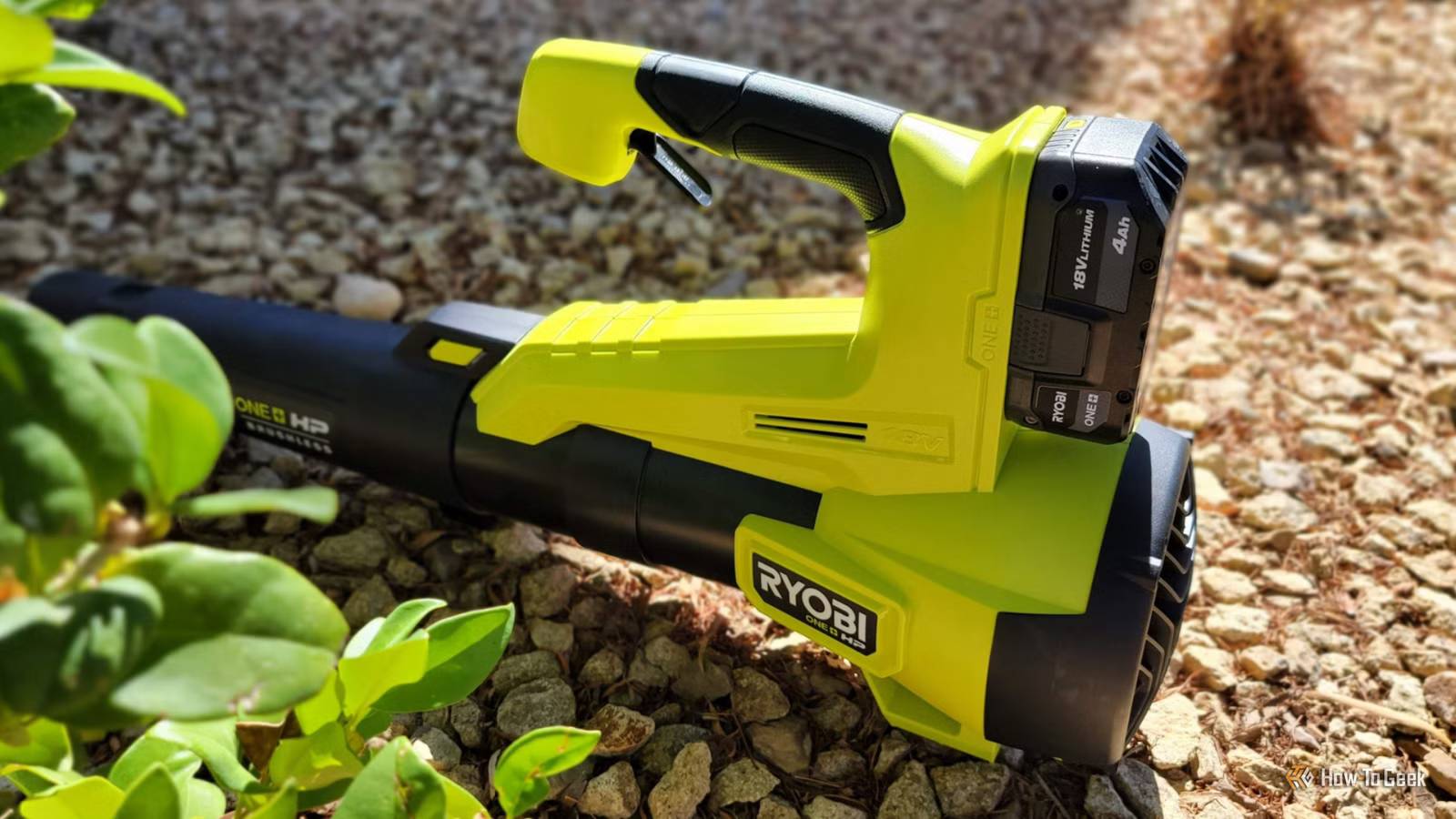
Published Nov 26, 2026, 6:30 PM EST Former radio and TV guy (I Heart Radio and PBS). Now a writer, researcher, and musician who writes about the absurdity of our modern world and other offbeat topics. Specializes in weird music, the old web, retro video games and tech, and researching strange, yet interesting things. His work has appeared in Vice, Tedium, Star Trek.com, Today I Found Out, Typebar, SyFy Wire, and How To Geek. Currently working on a variety of music, web, and writing projects. Visit him on the web at https://djbuckfreelance.neocities.org/. I don't have a lot of trees. Leaves falling in the autumn haven't really been an issue for me. The closest I've ever come was some tiny, overgrown fir trees in my driveway dropping their needles. But I bought a leaf blower anyway. It's been hanging from a rafter in my garage ever since. That was a few years ago, and I thought, “Hey, maybe I can use this for blowing snow off the porch or something.” Nope. It's pretty much just a big, worthless power tool taking up space. Ever since then, I've taken to asking myself a few important questions before committing to a power tool purchase. They work for me, and maybe they'll help you make better power tool purchasing decisions as well. Finding out if it can be rented or borrowed A vital question before starting a project Back in my electric guitar days, I had a serious case of what early guitar forums called “gear acquisition syndrome” (or GAS for short). I moved away from that sort of gear acquisition, but I always tend to pick up a new hobby or power tool more than I probably should. With power tools, I always ask a very simple yet vital question before making a purchase: “Can I borrow this or rent it instead of buying it?” Power tools can get expensive, and if you're only picking them up as a gadget, something for one-time use, or just because you want one, you could potentially find yourself over budget and out of space in your workshop. I did, and let's just say it didn't go well for me. So, yeah. I see if the power tool can be rented or borrowed before committing to a purchase. Sometimes, I'll also look into whether I can hire someone with access to the tool as part of this evaluation. It keeps my pocketbook happy and my storage space organized. Assessing fitness and costs For the types of projects I do (hobby work and maintenance; I'm not a carpenter), I also like to assess the fit of a tool and calculate the overall cost of ownership. The first question here is, “Does it match the scale of my work and what I need it for?” It doesn't make sense to buy a hedge trimmer if you don't have hedges. The type of power saw or drill I need for some wood cutting or instrument building isn't the same as what a contractor might need for a particular project. I also ask myself, “Should I buy a corded tool or stick with Ryobi ONE+ 18V battery tools for this?” And, yes, I am that specific with the question because I tend to use their ONE+ battery tools often. Battery-powered tools are fantastic, but there are always additional considerations associated with batteries, like finding space to store them or making sure you have enough of the right type to power your tools. Even the strongest power tools need maintenance and replacement parts now and then. So I also ask myself, “How much am I going to spend maintaining this tool?” and then research what it needs to stay in good repair. Blades, drill bits, sandpaper, and grease all add up. So I do need to ask, “How much will it cost to replace them when they wear out?” I'll also give myself a week or a few days before committing to a decision just to be sure I want the tool. That one is a quick assessment of “Do I really need this and will I use it?” If the answer is no, then it isn't a buy. Safety considerations The most important questions of all Safety is the most important part of buying and using power tools. I mean, I wouldn't want to pick up a tool and just randomly use it without making sure I don't hurt myself. So I'll always ask, “Do I have the right protective gear for this tool?” I'll also ask myself, “How easy is it to use? Can I do it safely, or would it be better for a professional to do the work?” The answer to this question usually helps me decide whether I'm buying a new power tool. Finally, there are two rather straightforward questions I'll ask myself in regard to safety: “Is there a safer or less dangerous version of the tool that I can buy?” and “Do I have enough storage space, ventilation, and power to run it safely?” I carefully weigh the answers to these questions before buying the power tool and use a combination of my answers and the scenario itself (why I need the tool) to make a final decision. Think of it as a guideline and not a road map. Do your due diligence before buying new power tools The leaf blower I bought would have failed my vital "Do I really need this or will I use it?" question for sure. One could argue that the most important question is “what will my wife say if I buy this power tool?” But, jokes aside, I think it's important to really stop and think about a purchase before making one. When tight space, tighter budgets, and safety/skill concerns are on your mind, it's helpful to take your time with a decision. Your own needs are going to vary, of course, but these questions are a good start to doing your due diligence for your next power tool purchase.
I always ask these questions before buying a new power tool
Full Article
Original Source
Read the full article at Howtogeek →KhanList aggregates and links to publicly available news content. We do not host full articles from third-party sources. Always verify important information with original sources.