
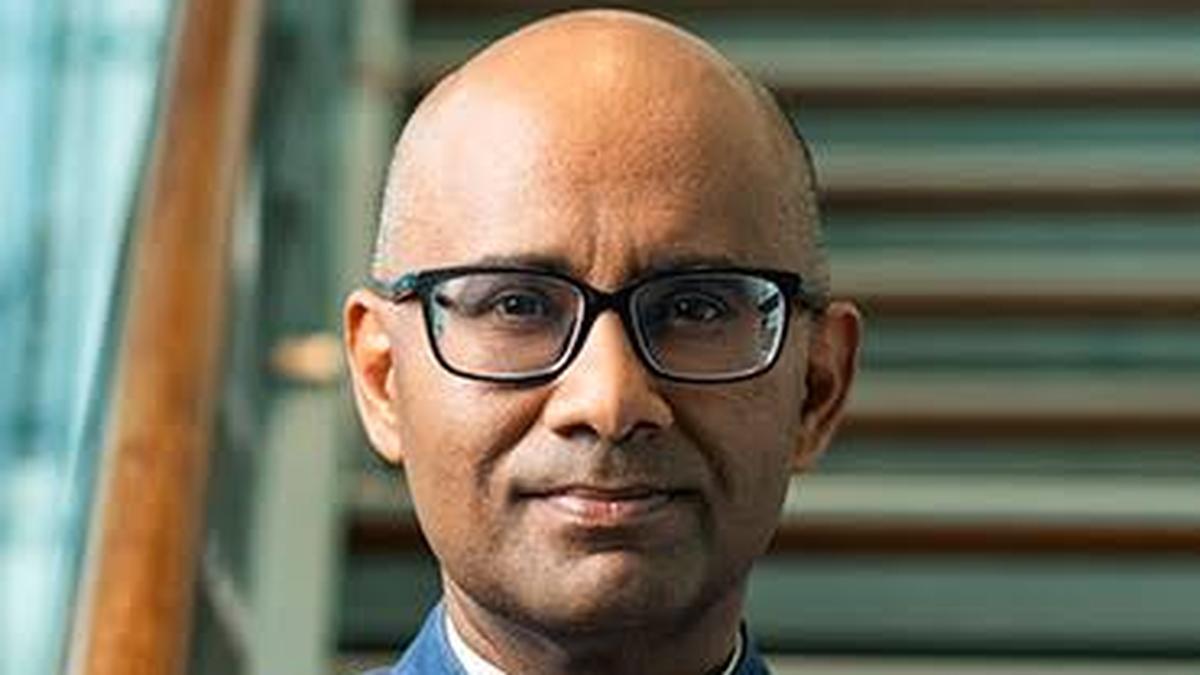
Roland Berger Chaired Professor of Strategy and Organisation Design, INSEAD, Phanish Puranam. (Photo: www.insead.edu) The impact of AI on organisations is a design problem, and not a forecasting problem, said Roland Berger Chaired Professor of Strategy and Organisation Design, INSEAD, Phanish Puranam.Delivering the keynote address at the Indian School of Business recently, he called for a human-centric approach to organisational design in the age of algorithms. Drawing on his research from INSEAD’s Organisations and Algorithms Program, he examined four concerns about AI and the future of work and said evidence showed that thoughtful organisational design could turn them into opportunities.People would remain valuable because they could be held accountable and identify errors that machines might miss. Organisations that test, learn and adapt could use AI to help employees build skills, collaborate and take greater ownership of their work.The fourth edition of the ISBs Insights Forum, held on November 20, saw the attendance of researchers, business leaders, policymakers and philanthropists to explore practical solutions to economic and social challenges. The annual research platform discussed research across business, market, and public policy.For Karthik Balakrishnan, Deputy Dean, Faculty and Research, ISB, the strength of a research ecosystem lies in the quality of research, rather than its volume, and that quality depends on how research is discussed. Research is only relevant if it is rigorous enough to be acted upon, and relevance should be judged over time, not over the next quarter.Also read | Hyderabad Police launch AI platform to map accused persons and criminal networksSessions on Geopolitics of AI and AI and Financial Innovation: Access, Competition and Trust examined how cross-border technology regulations, market competition and governance were influencing enterprise strategy and financial inclusion. Business for good: Building livelihoods explored how commercial models could create stable incomes at the grassroots, while Policymaking during economic crises examined policy tools for responding to macroeconomic shocks.Another session, What helps women advance at work?, drew on survey data from women professionals in India to compare workplace and domestic career dynamics in the country with findings largely based on western workplaces. The final sessions, Operational models to maximise population health impact of community health workers, examined approaches to improving the reach and effectiveness of frontline healthcare delivery. Published - November 22, 2026 02:12 pm IST
Human-centric organisational design key to navigate AI, says INSEAD professor
Full Article
Original Source
Read the full article at Thehindu →KhanList aggregates and links to publicly available news content. We do not host full articles from third-party sources. Always verify important information with original sources.