
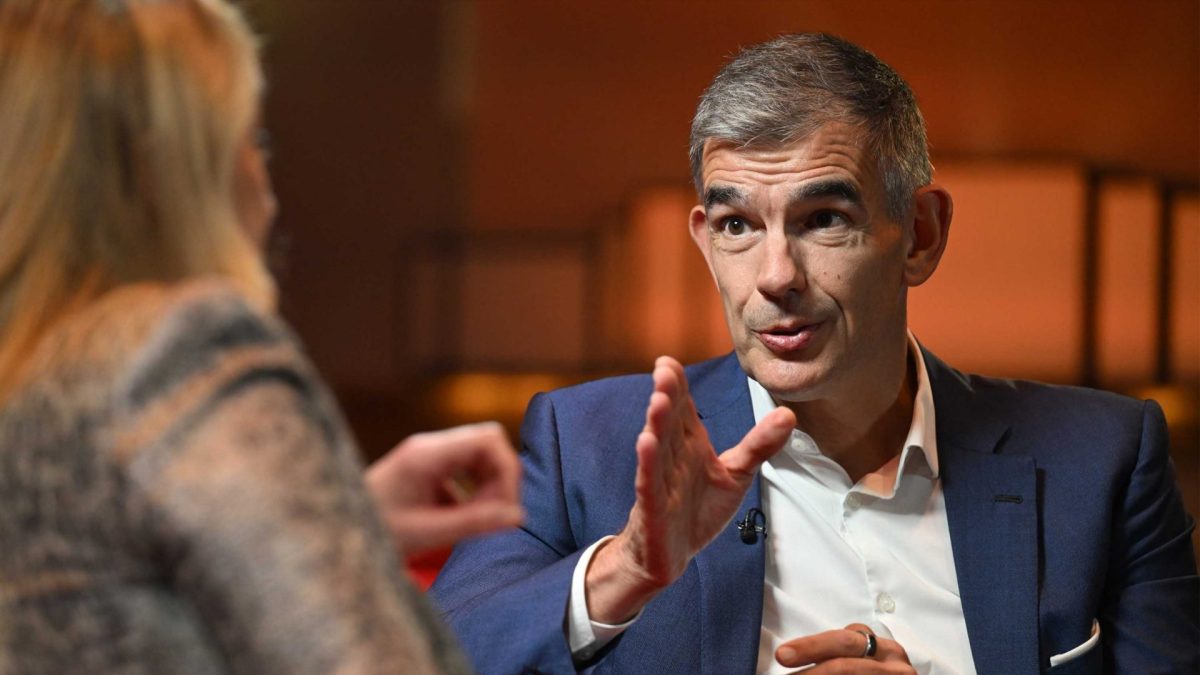
People who watch BBC content on Netflix, YouTube or TikTok would have to pay a new replacement charge for the TV licence, the corporation’s Director-General has suggested. Matt Brittin said the current £180 a-year charge was “unsustainable” due to Government funding cuts and the accelerating rate of people cancelling their TV licence with with income from the licence fee dropping by more than £1 billion in real terms over the past decade. Brittin said that since 94 per cent of adults use the BBC every month “but only 80 per cent are paying”, the licence fee should be replaced with a new system “funded by everyone”. Shorts A funding solution based on “fairness” would extend the scope of the current licence fee to people watching BBC products streaming services and using social media apps. The former Google president, told the BBC’s Laura Kuenssberg on Sunday show that with young people watching content outside of the IPlayer or live TV, where you are required to pay the licence fee, reform is needed to take in social media platforms and apps. BBC’s job ‘is to be everywhere’ Brittin added: “So I’d like to see reform that allows us to be where audiences are. BBC content should be on Netflix, on YouTube on TikTok, on Spotify and Instagram and everywhere audiences are. “Particularly news, actually, which I think is part of disinfecting misinformation. It’s our job to be everywhere.” Brittin said that “a modernisation of the licence fee that takes account of the fact that people are watching streaming and other services makes sense. BBC Director General Matt Brittin tells Sunday with Laura Kuenssberg that the licence fee is ‘unsustainable’. (BBC/PA) “What we’re advocating is reform that allows us to offer services universally that is modernised to where people are watching today.” Brittin is currently locked in negotiations with Culture Secretary Lisa Nandy over a new BBC Charter, beginning in 2028, which could rip up the current licence fee. ‘Everyone can pay less’ with levy The Director-General said a household levy, paid by everyone regardless of whether they use any BBC services, was a model already operating in “many other countries” to fund public service broadcasting. He said an £11 a month home internet levy, £48 cheaper annually than the licence fee, recommended by the Social Market Foundation (SMF) thinktank, was another idea being considered by ministers. “If you moved to something that every household pays, you can charge everyone less, collection costs are lower, there’s limited evasion. “But we’re living in a time of very difficult cost of living for everyone and that’s quite a big shift from where we are today,” Brittin admitted. £56 on mobile bills to fund BBC The SMF said a monthly £4.69 levy on mobile phone bills could be introduced to capture people using BBC content on Instagram and TikTok, with the money funding the broadcaster. But customers could simply cancel contracts and move to cheaper Pay As You Go deals. A combined broadband and home internet levy could be introduced, the SMF said, since YouTube is increasingly viewed on home TV sets – though that could trigger a backlash from people “in effect double paying.” Putting the cost of the licence fee onto the UK’s 52m streaming subscriptions would add £6.25 a month to each, the SMF said, a move likely to be resisted by platforms like Netflix and subscribers. Brittin argued that the BBC needed “enough money” to fulfill its new Charter remit with a system that was “simple to understand and universal”. Channels ‘may have to close’ Brittin also confirmed that TV and radio station closures are imminent under a brutal round of cuts, with the BBC needing to save £500m. BBC Three and BBC Scotland are at risk, insiders say, with an announcement expected in October. “We wouldn’t guarantee any programme or any channel will exist forever,” Brittin said. “We might have some channels and services where maybe 100,000 people are watching the broadcast service but 500,000 are getting those programmes on iPlayer. “The tight financial situation means that we’re having to look at some of those decisions a bit sooner than we might like.” Nandy: licence fee decision soon Audience behaviour is rapidly changing. “If most of an audience is getting things on demand, we have to look at the value and the cost of all of those different services.” In interviews ahead of the Labour party conference, Nandy said her proposals to to put the BBC on a “sustainable” financial footing would be announced later this year. The BBC could face tighter obligations to maintain its provision of News, local, educational and children’s programming in return for a new funding deal. The standard TV licence is legally required in order to watch or record television on any channel or service, watch live on streaming services and to use BBC iPlayer. The 2026 BBC annual report revealed TV licences fell by more than half a million in the 2025/26 financial year.
How you could be charged for using BBC content via Spotify or TikTok
Full Article
Original Source
Read the full article at Inews →KhanList aggregates and links to publicly available news content. We do not host full articles from third-party sources. Always verify important information with original sources.