
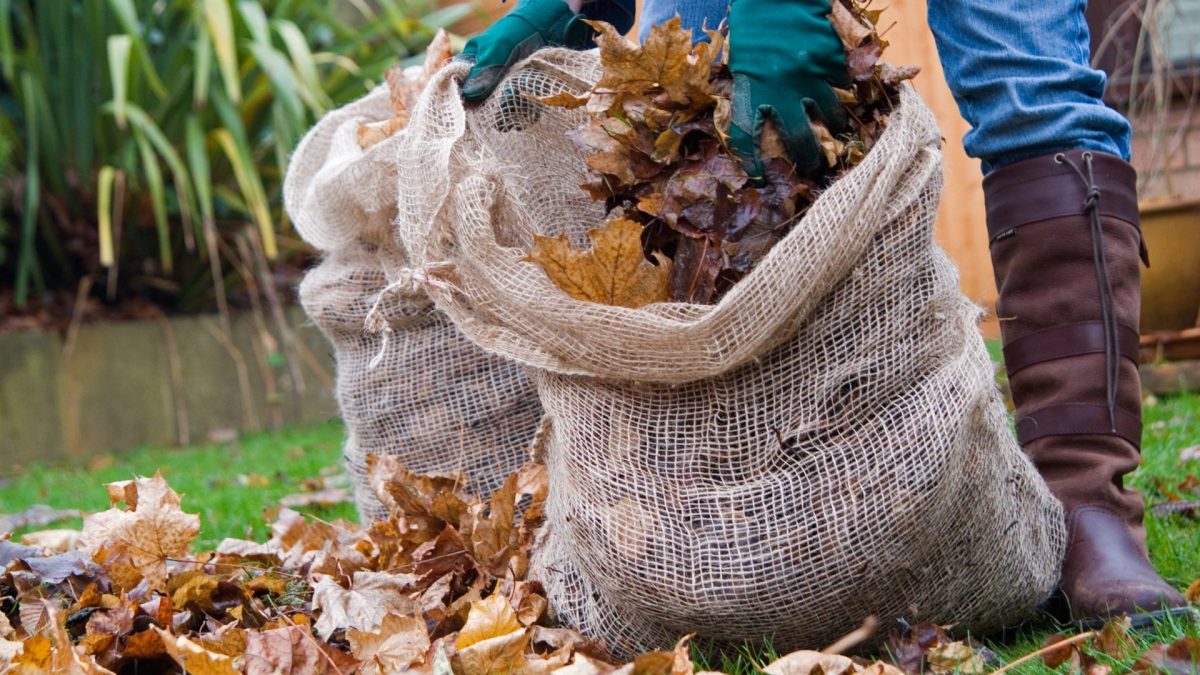
Autumn colour occurs at roughly the same time each year, as it is initiated by shorter summer days, and is later influenced by falling autumn temperatures. These cues set the tree to start recovering resources from its green leaves – mainly proteins and chlorophyll – to store over winter in its roots, ready to support spring growth next year. Trees discard unwanted or even harmful materials such as silicon and chlorides through the fallen leaves. As the green colour drains with the recycling of the chlorophyll, the yellow carotenoid pigments that have been there all along are revealed, as they are recovered more slowly than the chlorophyll. Yellow carotenoids and red anthocyanins in varying proportions give rise to the delectable oranges, reds and purples of autumn leaves. Anthocyanins are produced by some trees in abundance by the remaining chlorophyll on sunny days, as cold nights slow the transfer of sugars produced by the chlorophyll to the roots. These conditions are famously more common in north-eastern America, noted for its fabulously colourful autumn forests, than in wetter, cloudy Britain, where the brown pigment proanthocyanin can predominate. Shorts Things are a bit less clear this year, as many trees have shed leaves in response to dry soils rather than true autumn leaf fall. They will usually have developed some autumnal tints, leading to people thinking that autumn has come early. In fact, drought-induced leaf colour and fall is a cry of distress, as the tree discards its leaves to reduce water loss. When it rains in late summer, leaves might regrow. These new leaves will be shed in autumn in the normal way, possibly with some colour. Because of the prolonged drought and no real summer rain, leaf regrowth has been minimal. Now that the daylength-controlled leaf drop is under way, further leaves are unlikely to be formed. Some leaves are partially crispy and partly showing autumn colour, so their display will be reduced. There is nothing that can be done about this except hope for plenty of rain next year. Others, particularly Japanese maples, liquidambar and Metasequoia glyptostroboides, are producing good autumn colour. Native oaks are beginning to show their tawny hues. It is worth looking around your locality to see what is giving good colour this year despite the trying conditions, and planting these in place of any drought-slain plants. You can use leaves as a sort of mulch (Photo: RHS / Josh Kemp-Smith) After autumn colour comes leaf fall. Traditionally, fallen leaves are gathered and stocked in a wire mesh enclosure and left to rot into leafmould. Leafmould is a kind of very dark, fibrous compost and is highly prized for improving soil. It is less alkaline than ordinary compost or rotted manures, so is especially useful for lime-hating plants such as camellia, heathers and rhododendrons. Another way of using fallen leaves is to sweep them under bushes and around trees to rot, adding some bark or wood-chip mulch on top to prevent them from blowing around in winter. It is surprising how quickly they disappear into the soil, although they may decay more slowly this year, as worm numbers will have fallen under drought. Adding leaves and mulch will help worm populations rebound. Worms are very much a gardener’s friends, being very effective at keeping soil fertile and plant-friendly. Raking leaves off lawns is quite laborious, but using the lawn mower with the grass box on speeds up matters. Where only a few leaves are present, mow without the box and the chopped leaves and clippings will feed the soil, boosting organic matter and helping the lawn to recover from drought damage.
How to use fallen leaves for a healthier garden
Full Article
Original Source
Read the full article at Inews →KhanList aggregates and links to publicly available news content. We do not host full articles from third-party sources. Always verify important information with original sources.