
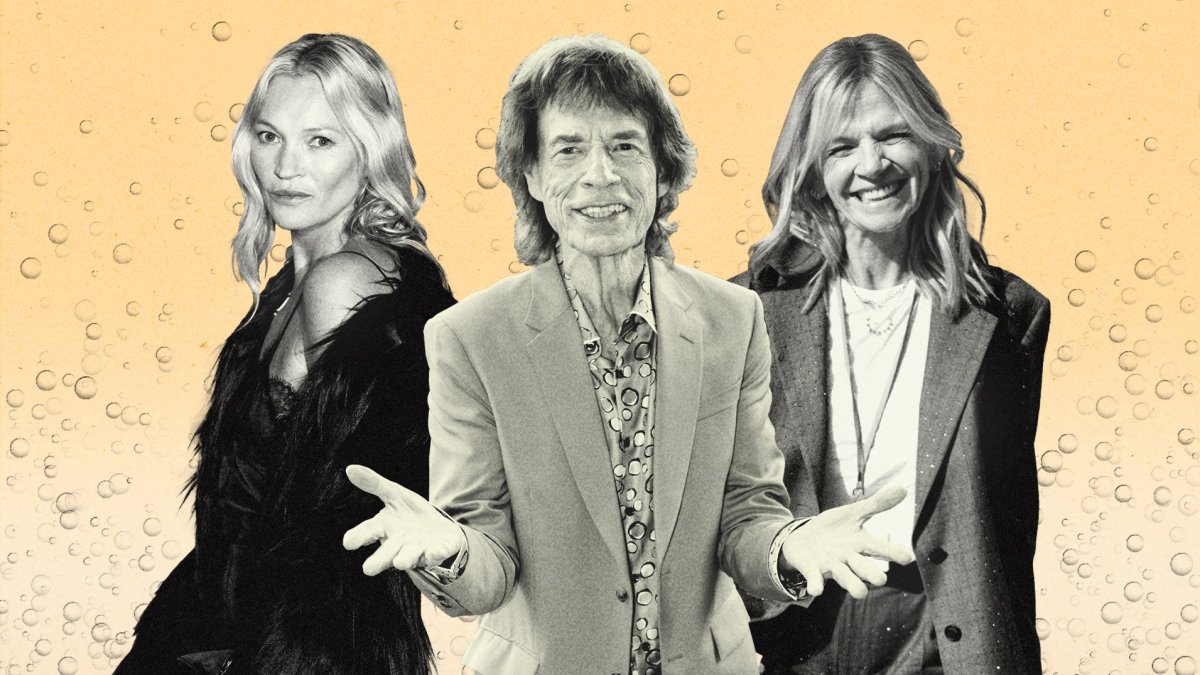
If your party days existed before the dominance of social media, you’re probably now feeling some impact. Research published last year found that a party lifestyle will have an impact on your health from the age of 36. The study from the Laurea University of Applied Sciences in Finland found that although there were relatively few repercussions to smoking and heavy drinking while the participants were in their twenties, the effects had kicked in by the time they hit their thirties. These unhealthy habits were found to result in higher rates of depression, cancer, heart disease, lung disease and early death. These results persisted throughout the group’s forties, fifties and sixties. Shorts All of this, of course, is the bad news. But there is good news, too. You can reduce or even reverse that damage. “The body is neither a hard drive that permanently stores every bad decision, nor a whiteboard that can be wiped clean with a detox,” explains immunologist Jenna Macciochi. “We don’t have to erase every consequence of our past to meaningfully improve our future health,” she adds. With the right changes, you can mitigate the extreme impacts – and you don’t have to necessarily become a sober homebody to do it. Just look at the fun former party animals like Kate Moss, Mick Jagger and Zoe Ball continue to have after hanging up their party hats. Seriously, seriously quit smoking The advice to quit smoking is so obvious as to become trite, but that’s because it really is the most effective way to reverse physical damage. Smoking reduces a person’s life expectancy by an average of 10 years, and can cause heart disease, cancers, dementia, vision and hearing loss, high blood pressure, and joint pain. It also directly affects our immune system, increases your risk of inflammatory bowel diseases and ages the skin – one of the most visible signs of a party lifestyle catching up with you. “Cigarette smoke generates oxidative stress, interferes with new collagen production and affects the elastic fibres that support the skin,” says Dr Anjali Mahto, consultant dermatologist and founder of Self London. “Clinically, this translates into more pronounced facial wrinkles, particularly around the mouth, deeper folds in the lower face and reduced elasticity.” She adds that there is a small but growing body of evidence that e-cigarettes also age the skin, though they don’t yet have the decade-long studies to quantify the long-term effects on facial wrinkles. Stopping smoking can have an immediate positive effect. According to the NHS, within just 20 minutes, your pulse rate will return to normal. After eight hours, harmful chemicals like carbon monoxide in your blood will have halved, making room for more oxygen to flow through your body. And after 10 years, your risk of dying from lung cancer is half that of someone who still smokes. Cessation will also positively impact your sleep, your appetite and, yes, your skin. Have three days off drinking a week While we’re talking about the more obvious changes, there is no “safe” level of alcohol consumption. For some people, stopping entirely is their best course of action, but cutting down dramatically if you drink regularly is key for all. According to the NHS, drinking more than 14 units a week over many years can increase your risk of mouth, throat and breast cancer, stroke, heart disease, brain damage and, of course, liver disease. You may no longer be drinking to excess on a regular basis, but drinking even a small amount every day has a cumulative impact. This is why it is recommended that you not only cut down your drinking but ensure you have a few days in a row alcohol-free to let your organs recover. “The liver has amazing regenerative properties so stopping drinking, either temporarily or permanently, can help it recover,” Tamara Gall, consultant general and hepato-pancreato-biliary surgeon at Cromwell Hospital, previously told The i Paper. “Depending on the damage to your liver, you can see benefit within a week; more serious damage will require a much longer period of abstinence to recover.” Cumulative alcohol-free evenings will also aid your sleep, explains Heather Darwall-Smith, UKCP-accredited psychotherapist specialising in sleep and neurodiversity. “Alcohol helps you drop off, but it messes up the second half of the night. You sleep more lightly, wake more and REM sleep gets disrupted. It also makes snoring and breathing problems during sleep worse.” Eat the Super Six every week The liver is not the only organ with the ability to rebuild itself. A life of heavy drinking, smoking and late nights can all play havoc on your gut microbiome thanks to the impact on appetite and diet. Low-fibre diets dominated by ultra-processed foods starve our microbiome of the fuel they need to grow and support us. According to one review study, when you are sleep deprived, you end up eating 375 calories extra the next day – and that often ends up being ultra-processed foods. The solution, the gut scientist and dietitian Dr Megan Rossi explains, is not to reach immediately for a supplement. “When I see people in clinic, they think that to heal their gut they need to take a probiotic, but that is not the solution. You have to take care of the fundamentals first.” That means feeding our microbiome what she calls the Super Six: different plant-based food groups (fruit, vegetables, wholegrains, herbs and spices, legumes, nuts and seeds) that contain different fibres and plant chemicals that feed different gut bacteria. “A more diverse range of gut bacteria means they’ll be more resilient to the things we throw at them”, she explains. And you can benefit from that change no matter when you start. “One study from the University of Bergen showed that if you went from a crappy diet to a healthy, Mediterranean style diet, that could add an extra three healthy years to your life – even if you start in your eighties.” On top of that, fermented foods like kimchi, yoghurt and cheese have been shown to reduce inflammatory markers in the blood. If all that seems overwhelming, she recommends one simple change: beans. “The University of Bergen study showed that adding legumes to your diet had the greatest impact on longevity,” she says, but explains that is not because they are all-powerful. “It’s because they’re the ones that people mostly don’t have and so give you the biggest bang for your buck.” And the benefits extend beyond digestive. “There’s another study where they put people on a high prebiotic diet (aka the fibres that feed your anti-inflammatory gut bacteria like oats, barley, wheat bran and seaweed) that significantly improved people’s reported sleep quality. It shows that even if you’ve got other things going on, focusing on nourishing your microbiome can help prevent or delay negative impacts elsewhere because it is so central and connected to all of your organs.” ‘The body is neither a hard drive that permanently stores every bad decision, nor a whiteboard that can be wiped clean with a detox,’ explains immunologist Jenna Macciochi Wake up at the same time every day Smoking, drinking and a poor diet affect your sleep. But menopause, work pressures, family stress and cumulative exhaustion can also disrupt the rest of those who have long hung up their raving hat. You cannot control many of these pressures, but you can work with, not against, your circadian rhythm. Darwall-Smith says that the single piece of advice she gives to every client is to wake at the same time daily. “Getting up at the same time every day is almost like drawing a line in the sand,” she previously told The i Paper. “So many things are hung on that hook. We’re telling the brain that this is what we’re doing – you don’t need to be militant, just fairly consistent – and the ripple effect is huge.” This is because it anchors the times at which cortisol, our stress hormone, peaks (just after we wake) and that, in turn, anchors when your body starts producing the “sleepy” hormone melatonin (12-14 hours after waking). As a result, the circadian rhythms elsewhere in your body (such as your skin, immune system and gut) will all resynchronise, leading to better digestion and even potentially improved skin function and repair, explains Mahto. You can further reinforce this with natural light when you wake in the morning, as day light further prompts your circadian rhythm. Once this rhythm is established, your sleep won’t be (quite as) disturbed by the occasional late night. Stay strong by lifting weights Of all of the healthy changes that you can make, Macciochi says that exercise is “probably one of our most powerful interventions”. Going from sedentary to active reaps huge rewards, helping manage all of the health risks associated with a party lifestyle from cardiovascular risk to insulin sensitivity: for example, just five minutes of vigorous activity per day is enough to lower blood pressure, while the risk of breast cancer (strongly linked to alcohol consumption) drops by 5 per cent for every two hours a week spent doing moderate-to-vigorous activity. While aerobic exercise like running, cycling or swimming are typically what people prioritise when they start exercising, strength training can also play a key role in reducing the damage. Alcohol interferes with muscle growth and bone density: pair this with the fact that we start to lose muscle and bone density in our thirties, and you end up with a body that is weaker, more vulnerable to falls and more prone to aches and pains. Strength training will counter these affects while helping improve insulin resistance and keeping a healthy weight. With strength training, make sure to get enough protein in your diet (as well as fibre for your microbiome) to help support muscle growth and manage your appetite. Make skin care simple The temptation when you see visible signs of wear and tear is to go hard in your efforts to counter it. But Mahto says that this is the wrong approach. “Gentle cleansing and an appropriate moisturiser are sufficient for many people, particularly when the barrier is irritated. Glycerin and ceramides can help support barrier function. Aggressive exfoliation or introducing several strong active ingredients after a heavy weekend is more likely to cause irritation than accelerate recovery.” She also recommends daily broad-spectrum sunscreen, ideally SPF 30–50 with good UVA protection, as an important measure for preventing further premature skin ageing as well as topical retinoids, particularly prescription tretinoin, which have evidence for improving fine lines, uneven pigmentation and some changes associated with photodamage (although they are not suitable for everyone). “If someone stops smoking at 50 or starts exercising regularly at 55, I would regard that as an excellent decision. Their health can improve, further avoidable damage may be prevented, and some aspects of skin function may recover. It isn’t necessary to restore the face they had at 25 for those changes to be worthwhile.” Start small to ease midlife stress While it’s never too late to make these changes, that doesn’t mean they are easy to adopt. Midlife is a time rife with stressors, with caring responsibilities often for the generation above and below you, work pressures, hormone shifts (gradual for men and sudden for women) as well as a growing awareness of how your past may be affecting your health. The most important thing, our experts say, is to focus on the problem that is creating the biggest impact and then work from there. “Smoking is probably top with regard to quitting, followed by alcohol,” Macciochi says. And crucially, do not add unnecessary anxiety on top of an already stressful time: the key, Darwall-Smith says, is “make changes you can actually stick to and give them time to settle”.
How to reverse a lifetime of partying and be healthy in your fifties
Full Article
Original Source
Read the full article at Inews →KhanList aggregates and links to publicly available news content. We do not host full articles from third-party sources. Always verify important information with original sources.