
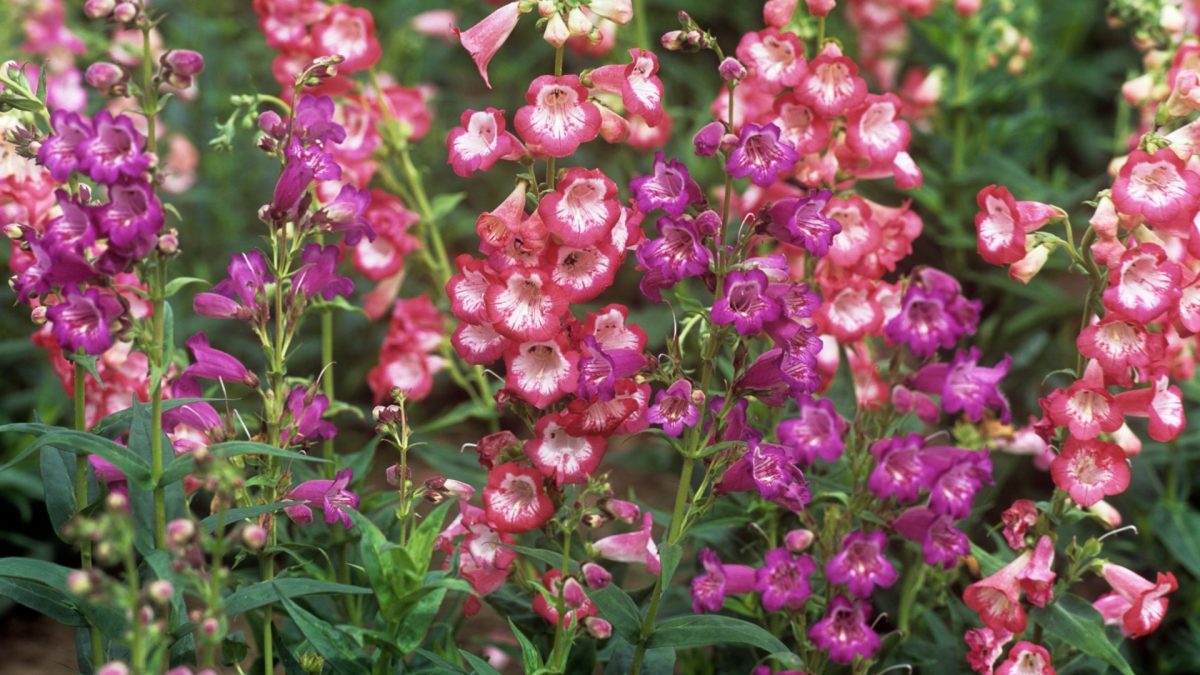
Gardeners face a dilemma now: clear away spent growth in beds and borders before it gets too wet and muddy, or leave the plants to collapse slowly under wind, rain and frost so they can support wildlife with their remaining flowers, often plentiful seeds and many hollow stems that can shelter insects including ladybirds. Tidy-minded gardeners will err on the severe side, while out-and-out wildlife gardeners could face severe entanglement problems in the spring. However, it need not be one thing or the other – clearing bit by bit as plants rot and as the weather permits is feasible for most gardeners. To some extent the soil will decide. Free-draining sandy soil allows gardeners to access the garden to remove vegetation bit by bit over the winter, while these soils dry and become accessible early in spring. Those with sticky clay soil may well prefer to clear borders while the soil remains dry, and look askance at spring clearance, as the soil may remain sticky until mid-April. Shorts Plants growing near paths will be easier to access and can be more confidently left compared with those at the back of borders, although clay-soil gardeners in particular usually have a stock of old planks to lay for wet-weather access. Trampling wet soil is damaging as well as unpleasant. Slightly tender plants such as osteospermum and penstemon are best left uncut until spring so that their foliage provides some protection for the lower buds. Once these lower buds show signs of life in spring, the upper shoots can be removed. Neither should evergreens be cut back – a light trim is enough for carex (sedge), hosta and kniphofias, for example. Ornamental seedheads should be spared for as long as possible, as their contents are not only nourishing for birds, but seedheads themselves look dramatic when covered in frosty rime. The time comes under winter rain when they lose their form. Achillea, agapanthus, echinops, eryngium, honesty (lunaria), fennel and similar herbs, nigella, poppies, rudbeckia and ornamental grasses come under this category. Where some plants have spread too far and are squeezing out other plants – asters, perennial helianthus and solidago are common offenders – the clear-up, whether it takes place in autumn or spring, is the time to remove some of these, either entirely or in part. Since their flowers are relished by insects, it is good to retain them in part and put up with the need for periodic purges. Plants can protect wildlife in the frost (Photo: Martin Smith) With perennial plants eventually come perennial weeds, typically couch grass, ground elder and hedge bindweed. These have few redeeming features and they should be extracted in autumn before they disappear underground. This can mean lifting garden plants and placing a thick cardboard layer held down by mulch over the weed clump for a year, after which time the garden plant, freed of weed roots and held in a bed or pot, can be replaced in the now weed-free ground. Trimmed material is usually composted, but consider also the cut-and-drop method. Here, the trimmed shoots are snipped up into short lengths, about 12-15cm, and strewn around the plants to rot where they fall, as they would in nature. Risk of slug damage is raised, however, so monitor mollusc activity in spring and remove the material if significant damage is seen. Be careful not to inadvertently cut off new growth, which can arise very early in mild winters, and ideally add 5-7cm of mulch, rotted manure to prevent weed seedlings, improve the soil, feed the plants and retain moisture in spring. @GuyBarter is the Royal Horticultural Society’s chief horticulturist The RHS is a charity inspiring everyone to grow via its research, advisory, outreach, shows and gardens. For more information, visit: rhs.org.uk
How to make your garden wildlife-friendly without it being overgrown
Full Article
Original Source
Read the full article at Inews →KhanList aggregates and links to publicly available news content. We do not host full articles from third-party sources. Always verify important information with original sources.