
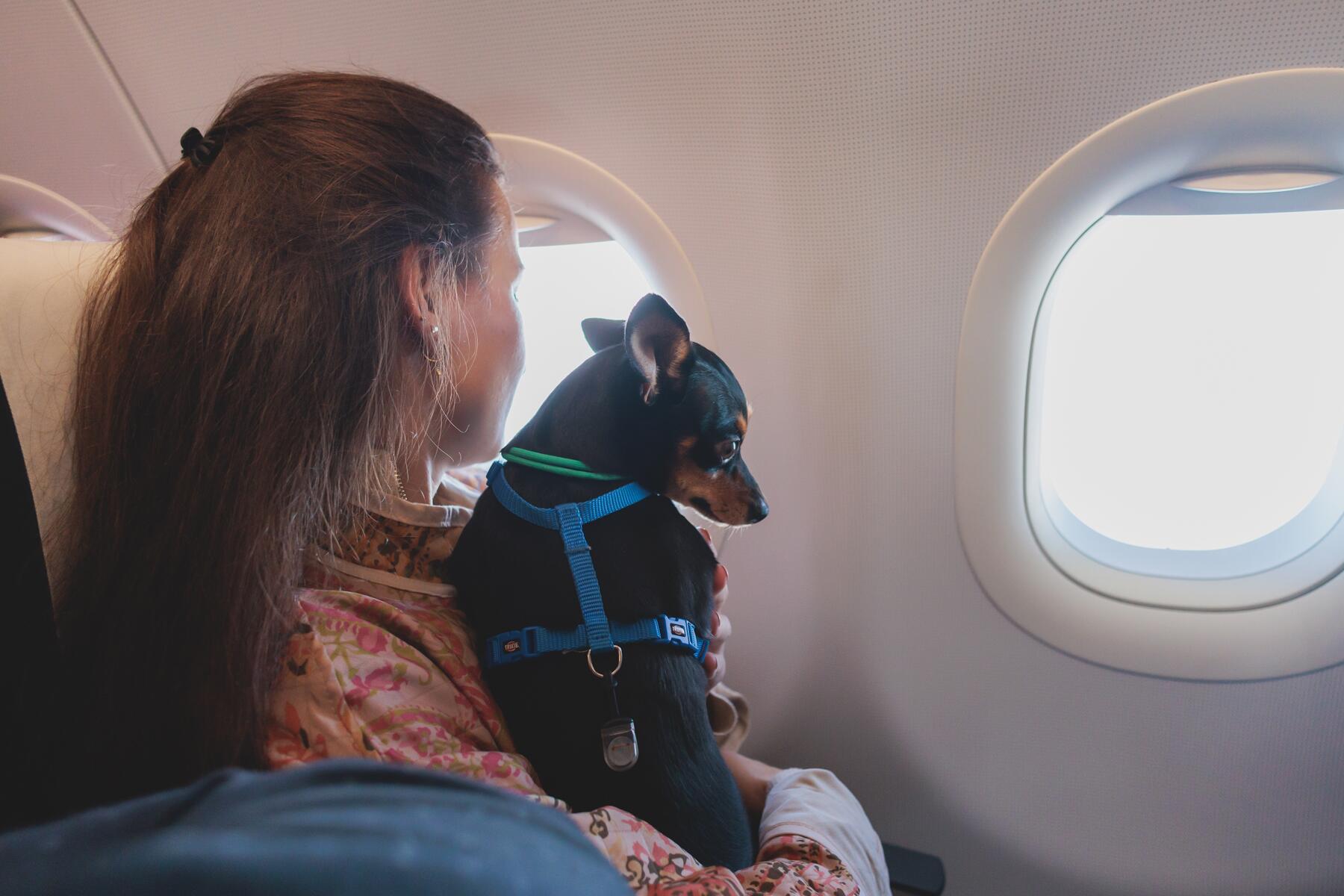
Learn how to handle vaccinations, breed restrictions, airline rules, pet kennels, USDA paperwork, medications, and flight-day prep.Often, the hardest part about traveling is leaving your pet behind. Even if left under the watchful eye of loving caretakers, it’s difficult to be away for weeks at a time. However, that doesn’t always need to be the case. If you’re planning on a long international trip, or even a permanent move, it is possible to take your furry friend with you. Now, prepping your pet for plane and international travel may seem like an overwhelming ordeal, and the last thing you want is for your pet to be put into quarantine abroad or injured. Thankfully, if you know what to do and how to prep, you can handle all your pet’s travel requirements on your own, which will save you thousands of dollars compared to a pet transit service.Determine Foreign RequirementsTo start, you need to identify the destination’s vaccination requirements. Regardless of location, an up-to-date rabies vaccine will be needed. Some countries require vaccination against distemper, parvovirus, and other diseases. Additionally, your pet will almost certainly need a microchip. Continue Reading Article After Our Video Recommended Fodor’s Video If your pet is due for their annual boosters, do that now rather than closer to the transit date, as the most recent rabies vaccine needs to be at least 21 days old. Depending on the number of vaccines required, your vet may choose to spread the inoculations out so as not to overwhelm your pet’s system.You also need to look up requirements for returning to the U.S. This shouldn’t be a problem if traveling to the EU or the United Kingdom, but if you are visiting a country with high rates of rabies, your dog may need a titre test to detect rabies vaccine antibodies in their blood. Unless you’re moving to the new location, do not wait to do this. It can take several months for a blood test to be performed in these countries, so it’s better to have it done before departureCheck Breed RestrictionsSome countries have breed restrictions. Sometimes these rules only pertain to entering the country with the breed. For example, in Colombia, it is legal to own a pit bull, but it is illegal to bring one into the country. If you’re doing a multi-stop overland journey—through Europe, for example— check the requirements for all countries you will be traveling to, as you may find that breed restrictions vary from place to place. Some countries are extremely strict and will prevent any animal that even looks like a banned breed. While this may come down to the animal control agent you interact with, don’t leave it up to chance. If it looks like your pet might be barred from entering, leave them at home. Transit OptionsYour dog has three airplane transit options: cabin, hull (with luggage), or cargo plane. Flying in the cabin is an option for smaller dogs and cats, but anything larger than about 15 pounds (it depends on the airline) will need to fly in the hull or by cargo plane. In the hull or cargo plane, your pet will have their own kennel, which is strapped down so it won’t move. Do not worry about plane temperatures, as the inside of the luggage compartment is the same temperature as the cabin. The main difference between the two is how much time, energy, and money you’ll spend.If your pet is transported in the hull of the plane, you’ll check them in with your luggage and likely pick them up from the baggage claim area upon arrival. If your pet travels on a cargo plane, they will go to the airport’s cargo area. You will need to complete both export and import paperwork, which can be especially difficult if you are not fluent in the destination country’s language. Additionally, watch out for added fees. Finding the Right AirlineNot all airlines allow pets. You will find that international airlines are more open to transporting pets in the hull than most domestic carriers. The best way to determine an airline’s pet requirements is to Google the airline’s pet rules.While searching for airline pet requirements, double-check any breed restrictions. Like countries, many airlines are wary of bully breeds and won’t transport them. Additionally, they might not accept dogs with smushed faces, such as pugs or boxers. These animals are more susceptible to breathing problems, and airlines do not want to be liable for injuries to pets. When choosing an airline, try to pick a non-stop flight whenever possible. This might mean you have to drive to a different airport or pay a bit more, but it is far easier on your pet. The most stressful time for a pet—especially one traveling with luggage—is being loaded onto a plane and during takeoff. Ensuring they only get loaded once will be less stressful for them. Pet KennelIf your pet is lucky enough to fly in the cabin, you need a soft-top case that will fit under the seat. Do note that your dog will typically not be allowed out of the case at any point of the flight, though some flight crews are more lenient, especially if you are flying business class. Checked-luggage kennels have far more stringent requirements. The kennel or crate needs to be large enough for your dog to sit, stand, and turn around in. It also needs to be made of heavy-duty plastic, with at least two of the three vented windows constructed from metal (plus the metal door).You will need to replace the provided plastic screws that secure the top and bottom halves of the kennel with metal ones, which can easily be purchased online. You will need “Live Animal” stickers placed on the kennel sides, as well as “Up” arrow decals pointing toward the top of the kennel. It should be easy for any luggage handler to see how the kennel should be positioned as they are loading it. Lastly, remove any wheels from the kennel; they are not allowed.Securing Passage for Your PetAirlines only allow a certain number of pets onto the plane, so you need to make sure there is room available on the jet before you make any purchases. The best way to secure passage for your pet is to identify the flight you plan to take. Jot down the date, flight number, and any other information regarding the flight, but do not purchase your airline ticket yet. Now, contact the airline. You’ll need to work your way through the customer service hotline, but once you’re connected with a representative, tell them you want to fly with a pet and check whether there is any available space on your desired flight. When they confirm there is space, you can book your ticket and transportation for your pet at the same time. When adding the pet to your travel ticket, you’ll need to tell them the breed, the size of the kennel, and the total weight of your pet and the kennel combined. It is a good idea to save the receipt emailed to you after this purchase.Testing MedicationsAir travel can be an anxious time for a pet. Whether traveling in the cabin or the hold, you should consider giving your pet some kind of anxiety medication or supplement to help reduce their stress level.There are CBD-based supplements for pets who are afraid of fireworks or other loud noises. These are hit or miss, which is why you should experiment ahead of time. Aside from this, you may want to consult with your vet about giving your pet medication such as Trazodone. This is a drug commonly used for depression and insomnia, though it is also prescribed to pets that suffer from anxiety. As a mild sedative, it helps relax your pet. While the medication will likely not last the entire length of your flight, it will be at full effect during loading and departure, when your pet will need the anxiety medication most.Your vet may prescribe this medication or a similar one, so talk with them a few months in advance. This gives you time to test the medication on your pet and monitor their behavior for side effects.Vet Visits and USDA ApprovalTiming is very important for this part of international pet travel. Within 10 days of departure, you need to visit a USDA-accredited vet who will go over all the documentation, perform a once-over on your pet, and administer tapeworm medication. They will then electronically send this information to the USDA for an official review. The form will be returned to you via email as a PDF, though you should also receive a printed and signed form from the vet, as some locations will need to see a physical copy. This process can take several days, so visit the vet a week or more before your intended day of travel. Keep in mind not all vets are USDA-accredited. There’s a good chance someone at the vet office you visit has this accreditation. If not, ask your vet for a recommendation, or Google “USDA Accredited Vets” in your area.The Day of the FlightThe morning of the flight, feed your pet a light meal and give them plenty of opportunities to go outside. Inside the kennel, place a thin cushion—there are good, inch-thick orthopedic options that won’t bunch up if your pet moves around. Set a doggy training pad over top, just in case there’s an accident.You can leave a toy inside, but don’t include anything that will shed or rip apart. A de-stuffed toy is great, as is one of your t-shirts, since these add comforting smells to the kennel. Aim to arrive at the airport three hours before the departure time but not earlier, as the airline will likely not check in your pet. When you get there, let them outside one last time, give them any medication/supplements needed, and go check in. At this point, you will remove your pet from the kennel so it can be scanned by an X-ray machine. When your kennel is cleared, remove the collar from your pet and put them back inside.You will now need to zip-tie each corner of the kennel door. This provides extra security to ensure the door doesn’t open during transit. Some airlines will also require a lock on the door. Use a standard luggage lock so crews can remove it in the unlikely event of an emergency.Give Yourself Time to PrepIf this is your first time traveling internationally with your pet, it is important to give yourself adequate time to prep. In many ways, you need more documents and government approval for your dog or cat than you do yourself. As you become more accustomed to the requirements of international travel, you won’t need as much time, but in an ideal situation, you’ll give yourself six months or so. After all, your pet will feed off your anxiety, and the purpose of being organized is to make travel for you and your pet as stress-free as possible.
How to Fly Internationally With Your Pet Without Paying Thousands for Help
Full Article
Original Source
Read the full article at Fodors →KhanList aggregates and links to publicly available news content. We do not host full articles from third-party sources. Always verify important information with original sources.