
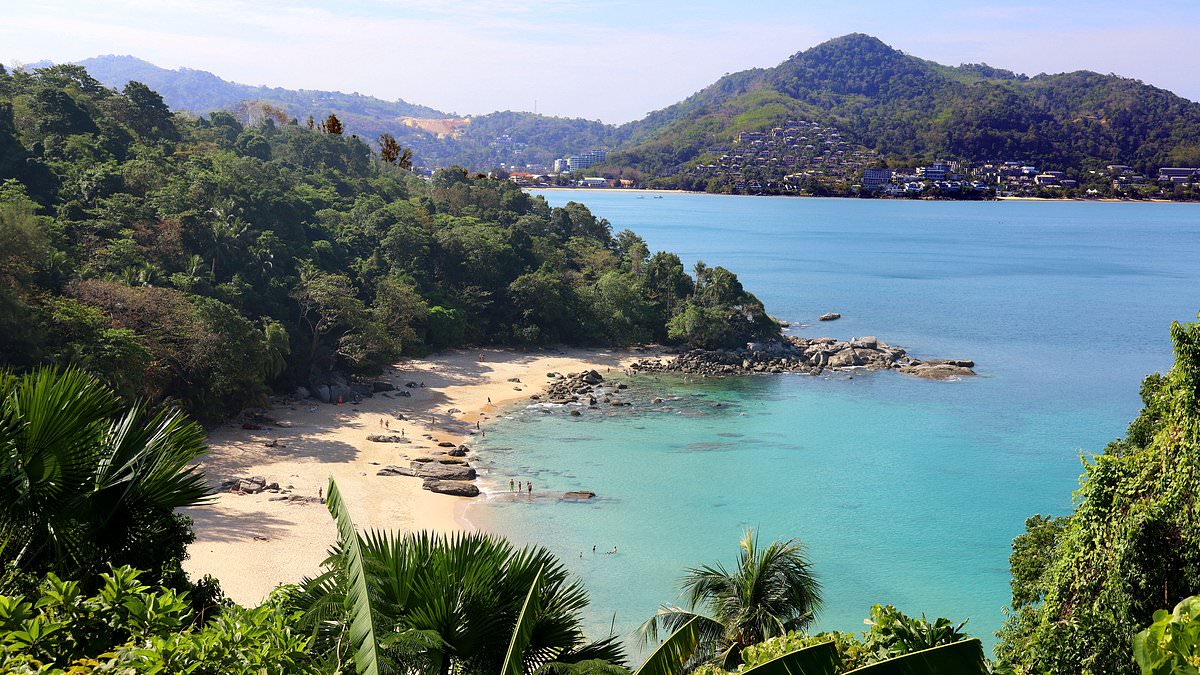
If you’re planning to escape Britain's greyer skies for some sun this winter, it's worth paying closer attention than usual to the weather forecast.After a summer of extreme heatwaves and drought behind us, the effects of El Niño are still expected to be felt as we head into winter – with holiday hotspots thousands of miles away likely to be affected well into 2027.For holidaymakers, this doesn’t simply mean everywhere getting hotter.Depending on your destination, El Niño can raise the odds of drought and wildfires, torrential rain, or even unusually settled conditions.Indeed, in a few places, better weather than normal is also expected. So, as we head into the winter months, where should you be keeping a particularly close eye on the forecast when planning a Christmas break? El Niño is a naturally occurring climate pattern which appears every two to seven years. It’s caused by unusually warm surface waters in the central and eastern tropical Pacific. Southeast AsiaThe current state of weather in Indonesia has already demonstrated what El Niño might mean for the region this winter; the country’s weather agency has warned of a longer and drier dry season across areas including Bali.While drier weather might initially sound appealing if you’re heading for the beach, sustained heat and drought bring water shortages and local fire risk with them.Visitors to Indonesia this winter are advised to check air quality readings and local advisories before flying.Meanwhile, fires have been burning across Sumatra and Kalimantan, on the island of Borneo. Smoke is also expected to affect the air quality elsewhere in Southeast Asia, with Singapore and Kuala Lumpur thought to be more consistently affected due to their proximity.A safer bet may well be southern Thailand and southern Vietnam, particularly destinations such as Phuket and Phu Quoc. El Niño-related reductions in rainfall could increase the chance of these destinations offering sunny, drier weather as winter approaches. Visitors to Indonesia this winter are advised to check with local authorities before flying. Vietnam and Thailand (pictured) might prove safer options for those after a Southeast Asian escapeAustralia and New ZealandWinter is typically a great time for British travellers to head down under and escape the harsh weather in the UK, as Australasia heads into its summer season.However, El Niño has historically brought reduced rainfall across parts of eastern Australia, as well as warmer temperatures and increased fire danger in the south-east.That makes checking local conditions particularly important for travellers planning long road trips or multi-stop holidays.Beachgoers hoping to spend their winter snorkelling should also keep an eye on sea temperatures. Unusually warm oceans can place coral under stress and trigger bleaching, potentially affecting reef destinations.Over in New Zealand, visitors should expect stronger and more persistent winds – potentially leading to travel disruption.Along the West Coast and the South Island, wetter than usual conditions are more likely, while places such as Auckland, Hawke's Bay and Canterbury will see a higher risk of drought, wildfire danger and even water restrictions. In New Zealand, spots such as Hawke's Bay (pictured) on the North Island will see a higher risk of drought, wildfire danger and even water restrictionsThe Americas There are some locations that may well prove to be winners as El Niño comes into full force this winter.Take the Caribbean.El Niño tends to suppress Atlantic hurricane activity by creating conditions less favourable for storms to develop.As a result, some experts have said that the Caribbean has a substantially reduced chance of experiencing a hurricane during El Niño conditions – although this doesn’t mean the risk disappears altogether.As such, destinations including Barbados, Antigua and St Lucia could make excellent choices – particularly once the main Atlantic hurricane season has ended.Across the Pacific, the picture flips. El Niño often brings wetter winter conditions to parts of the southern United States, including California, while northern Peru and Ecuador can also experience unusually heavy rainfall. Africa Southern Africa tends to be drier during El Niño, which could mean plenty of sunshine in destinations such as South Africa, Namibia and Botswana.However, that’s not necessarily good news for a safari, as prolonged drought can put pressure on water supplies, vegetation and wildlife.If you're planning a safari this winter, East Africa may prove the better choice.El Niño has historically been linked to increased rainfall during the October-to-December ‘short rains’ across equatorial East Africa, including safari regions in Kenya and Tanzania.The payoff afterwards can be spectacularly green landscapes and migratory birds arriving in large numbers. If you're wanting to head out on safari this winter, you may be better off plumping for reserves in East Africa, in countries such as Kenya (pictured)Be flexible As is so often the case with weather, it's important to note that none of these outcomes are 100 per cent guaranteed.El Niño changes the probability of particular weather conditions, but it doesn’t provide a day-by-day forecast. Both Australia’s Bureau of Meteorology and the Met Office have stressed that no two events or their impacts are exactly the same.Conditions that initially sound ideal for a holiday can also end up tipping into extremes. Less rain can become drought, more sunshine can increase wildfire danger, and heavier rains can transform green safari landscapes into impassable tracks.So before booking that long-awaited winter escape, checking flexible cancellation policies, comprehensive travel insurance and the latest destination-specific weather advice could prove just as important as finding the best hotel deal.
How Super El Niño could affect your winter holiday: The destinations facing wildfires and drought - and where weather might be BETTER than usual
Full Article
Original Source
Read the full article at Dailymail →KhanList aggregates and links to publicly available news content. We do not host full articles from third-party sources. Always verify important information with original sources.