
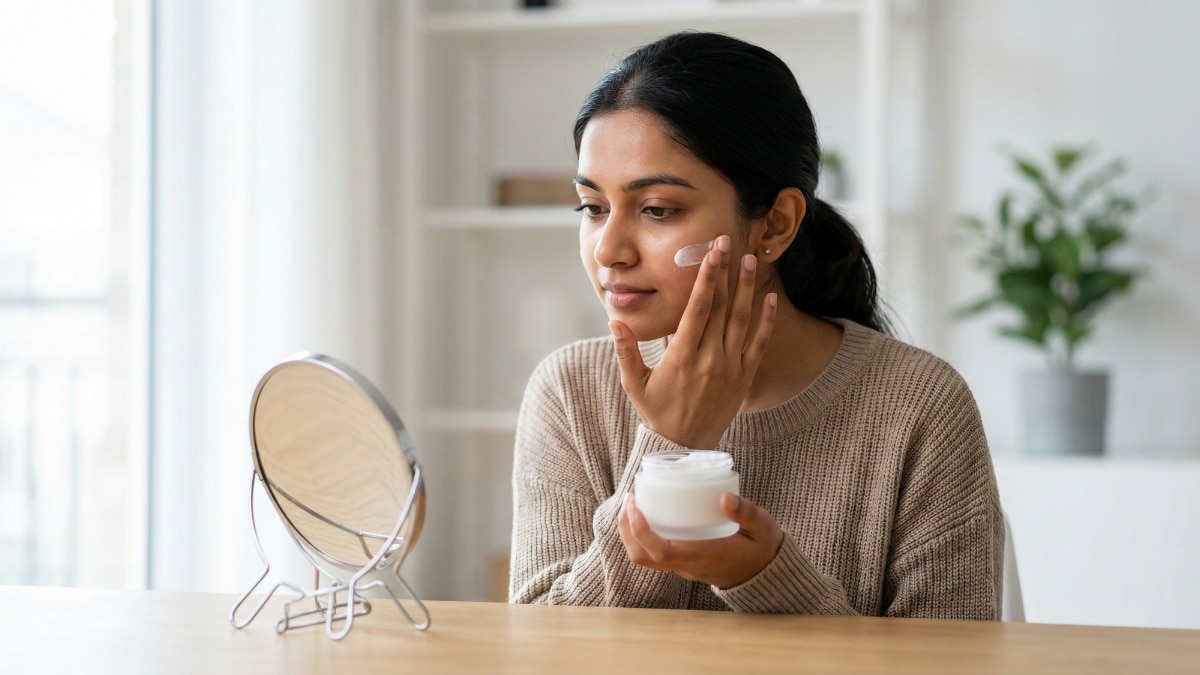
When doctors become influencers, patients pay the priceFor 38-year-old Riddhima Rawat, a banking professional from Delhi, treating persistent acne became an exercise in confusion. A dermatologist on Instagram recommended a cream promising visible results in weeks. Another insisted that a different formulation was more effective, while a third warned against the very ingredients being promoted by the others. Each video seemed convincing, backed by medical credentials, glowing testimonials and dramatic before-and-after photographs.Rawat eventually ordered one of the advertised creams, only to experience worsening redness and irritation. “Every doctor seemed to be selling a different solution. I thought following qualified dermatologists would be safer than listening to beauty influencers,” she says. More troubling was her inability to distinguish genuine medical advice from a carefully packaged sales pitch.Such experiences explain why the National Medical Commission’s (NMC) latest restrictions on medical advertising and self-promotion are both necessary and timely. The guidelines, issued on October 6, prohibit doctors and hospitals from using misleading treatment claims, patient testimonials, endorsements and promotional success stories to attract patients. They also cover sponsored content, influencer collaborations, manipulated online reviews and AI-generated promotions. Doctors can continue sharing factual medical information, but cannot disguise advertising as education.The intervention comes as healthcare increasingly resembles a consumer marketplace. From dramatic skin transformations and weight-loss promises to expensive cosmetic procedures, social media has become a powerful tool for selling treatments. Many hospital chains also use professionally produced videos showcasing sophisticated facilities, successful procedures and patient experiences. While such communication can inform patients, it can also create unrealistic expectations and encourage people to choose treatments based on visibility rather than medical necessity. Artificial intelligence has complicated matters further. AI-generated doctors, fabricated patient testimonials and deepfake videos impersonating medical professionals have been identified online, sometimes promoting questionable remedies. With realistic voices, convincing hospital backgrounds and seemingly authoritative explanations, such content can be difficult to recognise as artificial. For someone already anxious about a health problem, the apparent endorsement of a medical professional can be particularly persuasive.The consequences extend beyond unnecessary expenditure. Treatments suitable for one patient may harm another, while procedures advertised as quick solutions can carry risks that promotional videos rarely explain. When doctors compete for attention through exaggerated claims, patients may begin equating popularity with professional competence, overlooking qualifications, clinical evidence and the importance of individual consultation.There is, however, a distinction worth preserving. Social media allows doctors to challenge misinformation, explain illnesses and reach people who might otherwise have limited access to reliable healthcare information. Hospitals also have legitimate reasons to communicate their services and expertise. The objective should be to prevent commercial manipulation, not silence medical professionals or discourage public health education.Ultimately, medicine is unlike an ordinary consumer business. Patients often lack the knowledge to independently evaluate medical claims and must rely on professional judgement. That imbalance creates responsibilities beyond attracting customers. A patient’s illness, insecurity or vulnerability should never become an opportunity for aggressive marketing.Subscribe to India Today Magazine- Ends
How medical advertising makes us sick
Full Article
Original Source
Read the full article at Indiatoday →KhanList aggregates and links to publicly available news content. We do not host full articles from third-party sources. Always verify important information with original sources.