
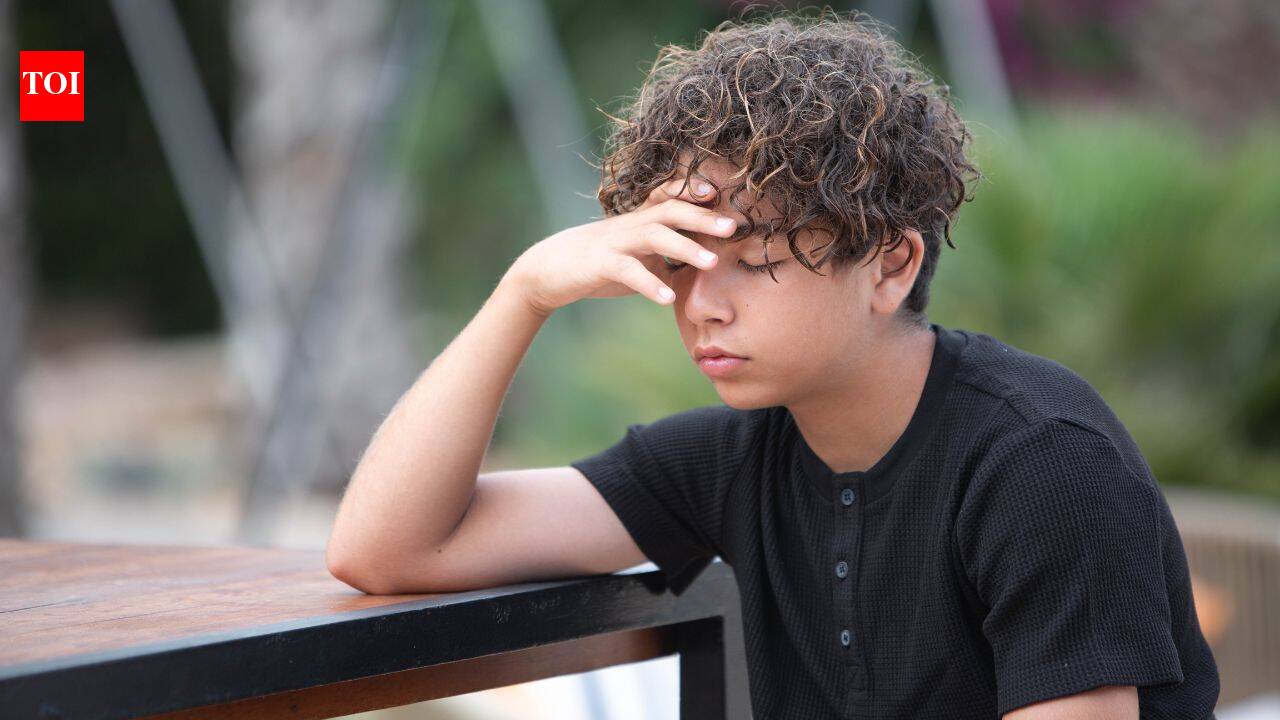
Parenting is often described as one of life's most rewarding experiences, but the demands of raising a child can also leave adults feeling overwhelmed. Between work, household responsibilities, financial concerns and the pressure to make the right decisions, parents may find it difficult to remain calm and emotionally available all the time. While many try their best to shield their children from these struggles, stress can sometimes affect family interactions in ways that children notice.Speaking to HT Lifestyle, psychologist Rima Bhandekar explained that parents often feel an unspoken pressure to get everything right because society expects them to know what is best for their children. Over time, this expectation can become exhausting, affecting not only the parent's well-being but also the emotional environment in which a child grows up. However, parental stress does not automatically mean a child will be harmed. Recognising its possible effects and learning to respond more thoughtfully can help families build healthier relationships.5 Oct 2026 | 12:06Parents, when your child refuses to greet relatives, do you make them say hello or respect their choice?How parental stress can affect a child's behaviourChildren depend on their parents for emotional reassurance, attention and a sense of security. When adults are constantly stressed, they may struggle to provide this support consistently, even when they genuinely want to. Bhandekar explained that children can pick up on these changes and respond in different ways.“When parents are under constant stress, they may find it difficult to give their children the emotional attention and reassurance they need, even when they want to. Children pick up on this, and it can show in different ways. Some may become withdrawn or insecure, while others may become irritable, aggressive or struggle to manage their daily routines, emotions and schoolwork.”A child who becomes quieter than usual may be finding it difficult to express what they feel, while another may react with anger or frustration. Some children may also find it harder to concentrate on schoolwork or manage everyday tasks. These behaviours should not automatically be attributed to parental stress, as children can face difficulties for many reasons. However, noticeable or persistent changes can be a reason for parents to pay closer attention to their child's emotional needs.Signs that a child may be struggling emotionallyAccording to Bhandekar, changes in behaviour can offer clues that a child may be finding it difficult to cope with the emotional atmosphere at home. Children who repeatedly feel unheard may struggle to communicate their feelings. Some may become less confident or feel uncertain about whether they can rely on their parents for comfort. Others may repeatedly seek reassurance, while some may withdraw and stop sharing what is troubling them.These signs can be particularly important to notice as children navigate pressures beyond the home, including social media, online comparisons and peer relationships. “With children today also navigating social media, online comparison and peer pressure, having a parent they can turn to without fear of being judged becomes especially important,” Bhandekar emphasised.Creating a space where children can speak openly without fear of criticism can help them feel supported. Parents do not need to have an immediate solution to every problem. Listening without dismissing a child's concerns can make it easier for them to express their emotions and seek help when needed.What parents can do to manage stress at homeManaging parental stress begins with recognising how it affects everyday interactions. Bhandekar highlighted the importance of learning self-regulation skills so parents can better manage their reactions during difficult moments. This may involve pausing before responding in anger, taking a few moments to calm down or recognising when exhaustion is making a situation harder to handle. Responding calmly does not mean avoiding discipline or difficult conversations. It means addressing them without allowing stress to dictate every reaction.Parents can also make a conscious effort to understand their children's emotional needs. Listening patiently, acknowledging their feelings and avoiding immediate judgement can help children feel heard. When an argument does happen, reconnecting afterwards is equally important. A parent can acknowledge their reaction, apologise when appropriate and reassure the child that the relationship remains secure. Bhandekar also stressed that parents need to make room for their own well-being. Seeking support, taking breaks when possible and finding healthy ways to manage stress can make it easier to remain emotionally present for children.Children need support, not perfect parentsThe pressure to be a good parent can sometimes make adults feel that showing frustration or struggling with their emotions means they have failed. But Bhandekar's advice offers a more realistic perspective: parenting is not about remaining calm every moment of the day. “A child does not need a perfectly calm parent. They need a parent who can recognise when they are struggling, seek support and show them that emotions can be handled with care,” she noted.For children, seeing a parent acknowledge difficult feelings and work through them can also demonstrate that emotions are manageable. What matters is not avoiding every disagreement or stressful moment but building patterns of communication, repair and reassurance. By paying attention to changes in their children's behaviour, responding with patience and taking care of their own emotional health, parents can help create a home where children feel safe enough to express themselves, even when life outside and inside the family becomes stressful.
How constant stress at home can affect children’s behaviour and confidence
Full Article
Original Source
Read the full article at Timesofindia →KhanList aggregates and links to publicly available news content. We do not host full articles from third-party sources. Always verify important information with original sources.