
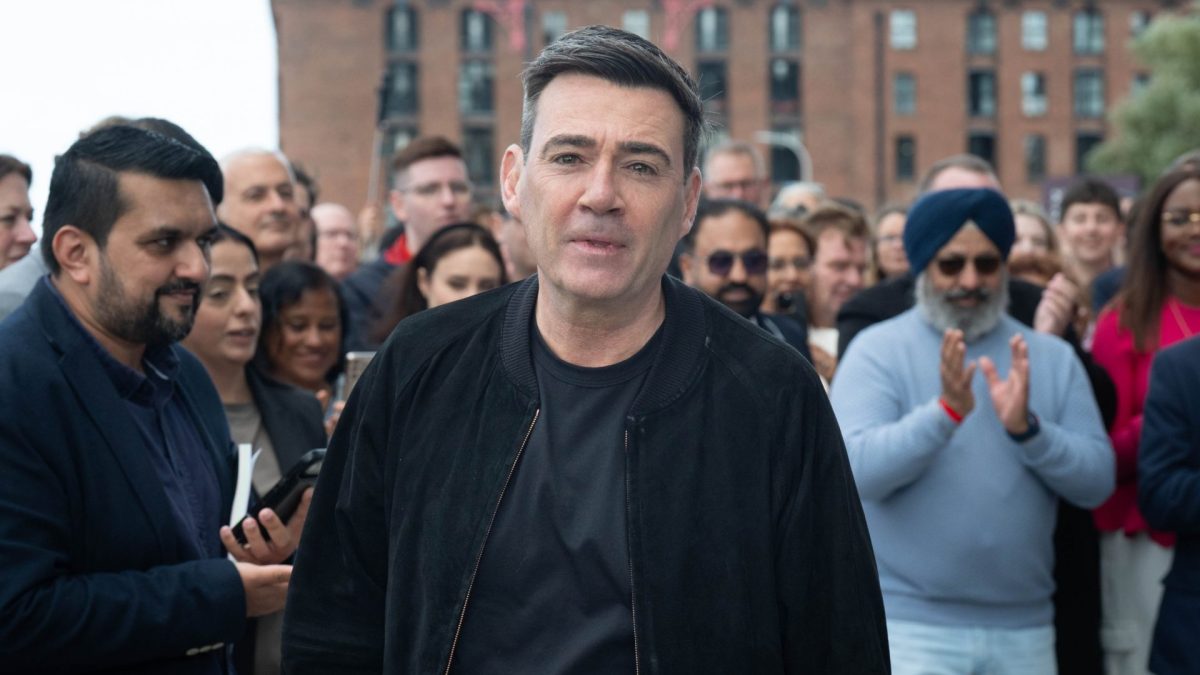
First-time buyers who cannot rely on the “bank of mum and dad” will get access to a new help-to-buy scheme, Andy Burnham has announced. The Prime Minister said he was concerned by the high number of young people who have given up on home ownership because of high living costs, and wanted to change that. Burnham said the scheme is intended to help buyers in England with a regular income who have so far been unable to save a large deposit or do not have financial support from their family. Shorts How would the scheme work? Under a resurrected first-time buyers scheme called “Your First Home”, buyers could get the keys to their home with just a 2.5 per cent deposit. A loan worth 20 per cent of the property’s value will be available to help pay for the purchase as part of the scheme. This equity loan will initially be interest-free to ensure it remains affordable. The national average cost for a first home is £230,000 according to Rightmove. This means that a buyer could put down a deposit of £5,750, and access a loan of up to £46,000 to help with the purchase. Household income caps and a deposit cap will be introduced to exclude those on the biggest salaries and with big savings pots. Price caps will also ensure people can only buy modest houses. Full details of the scheme and specific caps will be set out at the Budget on October 28 by the Chancellor John Healey. What did Burnham say? The Prime Minister announced the scheme as he arrived in Liverpool for Labour’s annual conference on Saturday. “Too many young people are struggling with the cost of housing, with many giving up hope of ever having a home to call their own,” Burnham said. “So we will step in to help more first-time buyers onto the housing ladder, especially those who can’t call on the bank of mum and dad. “Your First Home will get them the keys to their own front door, and give builders the confidence to deliver the high-quality new homes the country needs. This Labour government is bringing back hope for people across the country.” How will Your First Home be paid for? The Government says funding for the scheme would come from reprioritising existing budgets. It was not immediately clear whether the money would come from funding already earmarked for housebuilding, or if cuts would be made elsewhere and reallocated. Left to right: Liverpool Mayor Steve Rotheram, Prime Minister Andy Burnham and Chancellor of the Exchequer John Healey on the new Royal Daffodil Ferry (Photo: Stefan Rousseau/PA) Housing developers will also pay towards the running costs of the scheme, which ministers hope will give the industry confidence to build new homes. Housing Secretary Angela Rayner said: “We’ve seen too many people priced out and giving up on the dream of ever having a home to call their own. “This scheme will make getting on the first rung of the property ladder just that bit easier and increase access to home ownership. “For those looking for their first home, this is a Labour government that is on your side and fighting your corner. “Your First Home will build on the lessons learned from previous schemes, while retaining the benefits, giving more families the building blocks for a better life and boosting the housing market as we turn the page on the housing crisis the Tories left behind. “We’re delivering a new generation of equity loans in a Labour way, targeting support to those first-time buyers who need support the most and who don’t have the benefit of a large deposit from the bank of mum and dad.” On the eve of his first Labour conference speech as Prime Minister, Burnham told The Guardian that the Government would seek to strengthen the powers of local leaders to take over long-term empty and derelict homes. What happened to the original Help to Buy? The Conservatives’ original Help to Buy scheme ran between 2013 and 2023. Announced by then Chancellor George Osborne, it was aimed at revitalising what was at the time a sluggish UK property market. The scheme granted 387,000 interest-free equity loans for the purchase of new-build properties, according to the Government’s figures. Some 84 per cent of applicants were first-time buyers. On average, those admitted borrowed £63,000, on a typical purchase price of £273,500, with a total value of £23.6bn lent out. Osborne’s scheme allowed for properties to be purchased up to £600,000. By 2014-15 the scheme supported about a fifth of first-time buyer purchases. A later iteration of the scheme in 2020 allowed buyers to borrow up to 20 per cent of a new-build property’s value, or 40 per cent in London. The scheme was also withdrawn for movers and was subject to new regional caps on prices. Changes have been made to Osborne’s original scheme after concerns it was targeted at those who would have got on the housing ladder anyway, and suggestions it may have contributed to soaring house prices. “We think some adjustments needed to be made to it to make it focus on the people who really need support, and I think our scheme does that,” Burnham told The Guardian. Burnham said Your First Home would also be paired with further house building across the country to prevent house prices from being pushed up even further. It comes as Rayner last week acknowledged there was only a “slim chance” the Government would meet its target of building 1.5m homes in England by the next election.
How Burnham’s ‘Your first Home’ scheme could help first-time buyers onto property ladder
Full Article
Original Source
Read the full article at Inews →KhanList aggregates and links to publicly available news content. We do not host full articles from third-party sources. Always verify important information with original sources.