
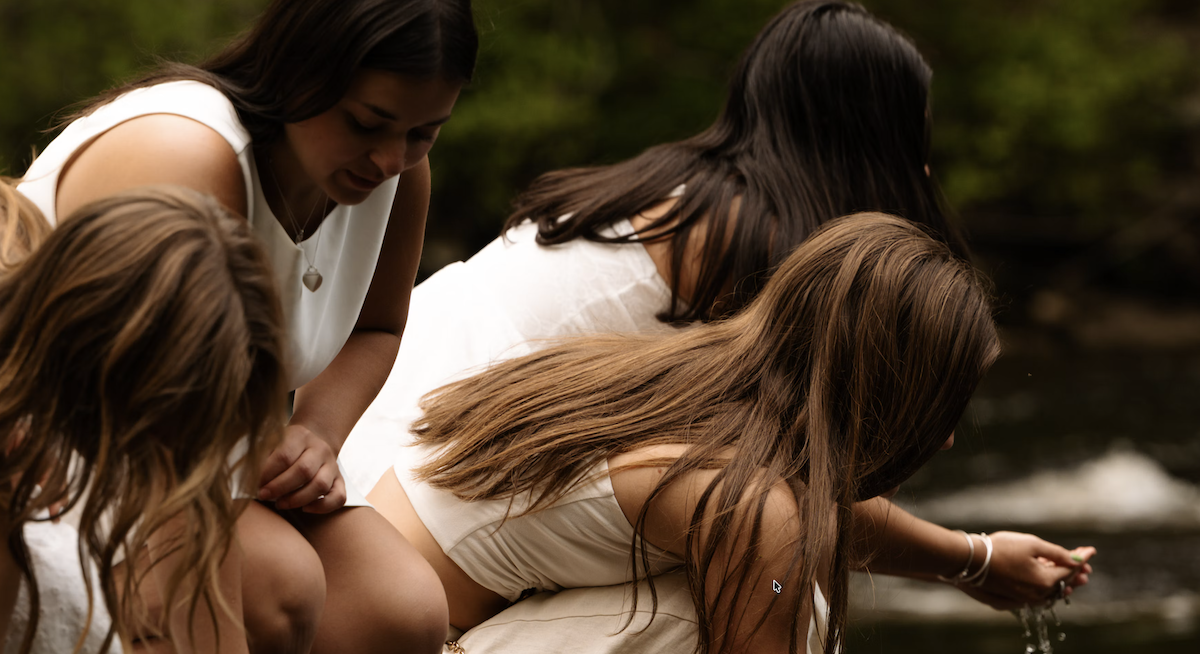
It all started with salamanders. Girls from the NAIWA Daughters, the youth wing of the North American Indian Women’s Association, were tubing on the Oconaluftee River when they noticed visitors moving river stones around. Such actions wreck the habitat of the eastern hellbender, known in Cherokee as the tsuwa, Mongabay reported. Inspired by the Mashpee Wampanoag, who had done similar work for herring, the girls began advocating specifically for the salamander. Elders pointed them somewhere bigger, saying that if they want to protect what lives in the water, start with the water. But instead, they went after the “Longperson,” also known as Ganvhidv Asgaya, the interconnected water system whose head is in the Great Smoky Mountains and whose feet run about 790 miles before reaching the Gulf of Mexico. Since 2021, the Eastern Band of Cherokee Indians (EBCI) has set aside a day each year to honor it. Getting a resolution through tribal council took a year and a half of ordinary organizing. The girls, ages 10 to 17, hosted community dinners, polled tribal members, ran outreach tables, and met council members one at a time while working with attorney Britt Gondolfi through the Bioneers Indigeneity program. “The young women behind this law didn’t AI themselves into this historic moment,” Gondolfi said to Mongabay. “They consulted with elders, lawyers, experts in the field, and culture keepers.” “I have watched them give everything to this, showing up tired, overwhelmed, and emotional, sacrificing school breaks and weekends, and still fighting for our sovereign rights to be Cherokee,” said Jasmine Smith, chair and founder of the NAIWA Daughters. They brought it to council on December 17, 2025, with co-sponsorship from the Cherokee Youth Council. On January 8, 2026, with supporters standing in the doorways, they carried headwaters into the chamber in two clay pots and set the water beside them. “Do we see nature as something we own, or do we view it as something we have the responsibility to protect?” asked Kyndra Postoak, the group’s Rights of Nature project lead. The council passed it unanimously. The resolution recognizes five inherent rights: the right to exist and regenerate; to be free of pollution and invasive species; to shelter wildlife; to flow unobstructed; and to be protected under Cherokee law and enforced by tribal authorities. It cites Hurricane Helene as evidence that the Longperson and the Eastern Band are both exposed to what is coming. It is the first all-female-led rights-of-nature effort in the United States, and the second drafted by Indigenous youth. That afternoon, the girls carried the clay pots back down to the Oconaluftee and returned the water. The work since has been practical. The tribe’s natural resources department and the NAIWA Daughters put forward a follow-up resolution committing the EBCI to lead a fundraising campaign to remove the decommissioned Ela Dam, which blocks migration for the sicklefin redhorse. The girls are also pushing for a tribal task force to monitor the Longperson’s health and building workshops to share their playbook with other nations. Follow NAIWA Daughters (@naiwadaughters) on Instagram for updates about their projects.
How a youth group of Cherokee girls made history fighting for a sacred river
Full Article
Original Source
Read the full article at Upworthy →KhanList aggregates and links to publicly available news content. We do not host full articles from third-party sources. Always verify important information with original sources.