
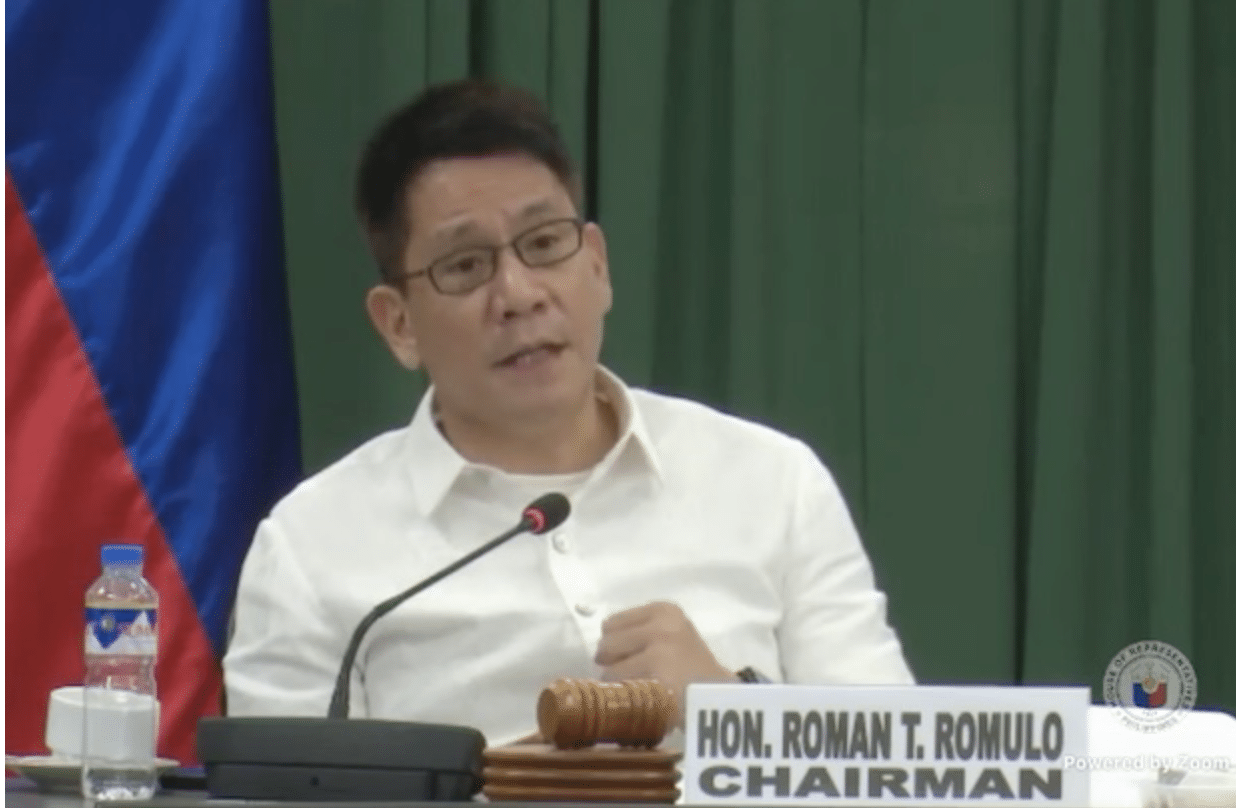
Pasig Rep. Roman Romulo. FILE PHOTO MANILA, Philippines — A House of Representatives panel has approved a bill proposing a full social media ban for children below 13 years old, and restrictions on the technology’s use for those aged 13 to 18 to shield young people from harmful content online. During the hearing of the House committee on welfare of children, Pasig City Rep. Roman Romulo presented the still unnumbered substitute bill to 10 proposals seeking to protect minors from the dangers of unabated social media use. According to Romulo, the full ban for children below 13 is meant to restrict them from having any screen time. Article continues after this advertisement “Basically, the bill now will be a ban for all social media platforms for those under 13, and the reason for them is what we want is for them not to have screen time,” Romulo, chairperson of the House committee on basic education and culture and head of the technical working group (TWG) that crafted the substitute bill, said. Meanwhile, restrictions for those aged 13 to 18 will include a ban on viewing short videos, messaging applications, and harmful content. “For those 13 to below 18 years of age, we will have a ban on features, what features will be banned, first of all, harmful content which is defined in the law, these are topics revolving on violence, sexual, and similar topics,” Romulo explained. “Scrolling shorts will be banned, and also chat groups will now be banned. So if you’re 13 below 18, you cannot join chat groups, you would have no other form of communication, so that is where we are headed,” he added. Romulo admitted that the House’s version of the bill was different from what the Senate has passed. Senate Bill No. 2424 or the proposed Child Online Safety and Protection Act proposed that 16 be considered the minimum age for social media use Article continues after this advertisement The bill was brought to the plenary on August 26, having been approved by the Senate committee on public information and mass media. READ: Senate panel endorses bill setting 16 as minimum age for social media Article continues after this advertisement However, Romulo believes that such differences can be sorted out in a bicameral conference committee hearing, should both bills be approved by the respective chambers of Congress. “I know that the version in the Senate is under 16, I am sure that every member here is more than willing, if this passes the plenary, to be open-minded and discuss with the senators in the bicam as to what we really want, but for now that is the version that we have,” he said. Local office requirement Romulo said another thing that the substitute bill also requires social media companies to “register a Philippine presence” if they want to operate in the country, so that they can be held accountable under Philippine laws. “We’ve also required all platforms to register a Philippine presence. If you are to be accessed by any individual, corporation in the Philippines, you must be registered in the Philippines. And there’s a reason for that, is, kung wala tayong jurisdiction over that entity, parang very hollow ‘yong authority natin over the platforms,” he said. “So we want them, if you can be accessed in the Philippines, you have to be registered in the Philippines,” he added. Also, Romulo said the TWG purposely left out provisions related to limiting screen time, for adolescents, as they believe it is a matter that the whole House should decide during the plenary deliberations, specifically during the period of amendments. “There are certain issues that is best to be, as I’ve told the TWG meetings, best to be discussed during the plenary, because there are certain situations that I think the plenary as a whole must decide upon, and that includes parental consent and also the limiting of time, if we want to enter into that,” he said. “But I think that should not be decided by the TWG nor it should be constrained to the committee because all members should be heard, as this is an important piece of legislation on the direction that we want for this bill,” he added. Suggestions for a social media ban for children came amid fears that unrestricted online access influenced students to initiate shooting incidents at the San Jose National High School in Tacloban City last June 22 and the Ateneo de Zamboanga University in Zamboanga City last August 18 to do these actions. Three students were killed during the Tacloban shooting, while two, including the gunman, were confirmed dead after the incident at Ateneo de Zamboanga University. There is a belief that the perpetrators in both incidents were supposedly exposed to violent content online or joined groups engaged in nihilistic violent extremist (NVE) behavior or senseless violence. NVE is being looked at as an angle in the two school shooting incidents. READ: DOJ warns: Extremists targeting minors in violent online games On August 28, Senator Risa Hontiveros relayed that Philippine authorities have been able to secure a commitment from Meta, which owns and manages social media sites Facebook, Instagram, and Threads, along with other messaging apps, to provide authorities important information should they spot a possible threat to children. READ: De Lima: Meta sharing info with gov’t OK as long as it’s vs threats Before this, Malacañang said there is no immediate need to ban Facebook in the Philippines after the social media giant showed willingness to respond to government requests to remove fake news and violent content. Your subscription could not be saved. Please try again. Your subscription has been successful. The possibility of restricting access to other social media platforms and other online gaming apps, however, remains should they fail to regulate content that could influence the youth to engage in violent behavior and the proliferation of misinformation and disinformation. /jpv
House panel OKs total social media ban for children below 13
Full Article
Original Source
Read the full article at Newsinfo →KhanList aggregates and links to publicly available news content. We do not host full articles from third-party sources. Always verify important information with original sources.