
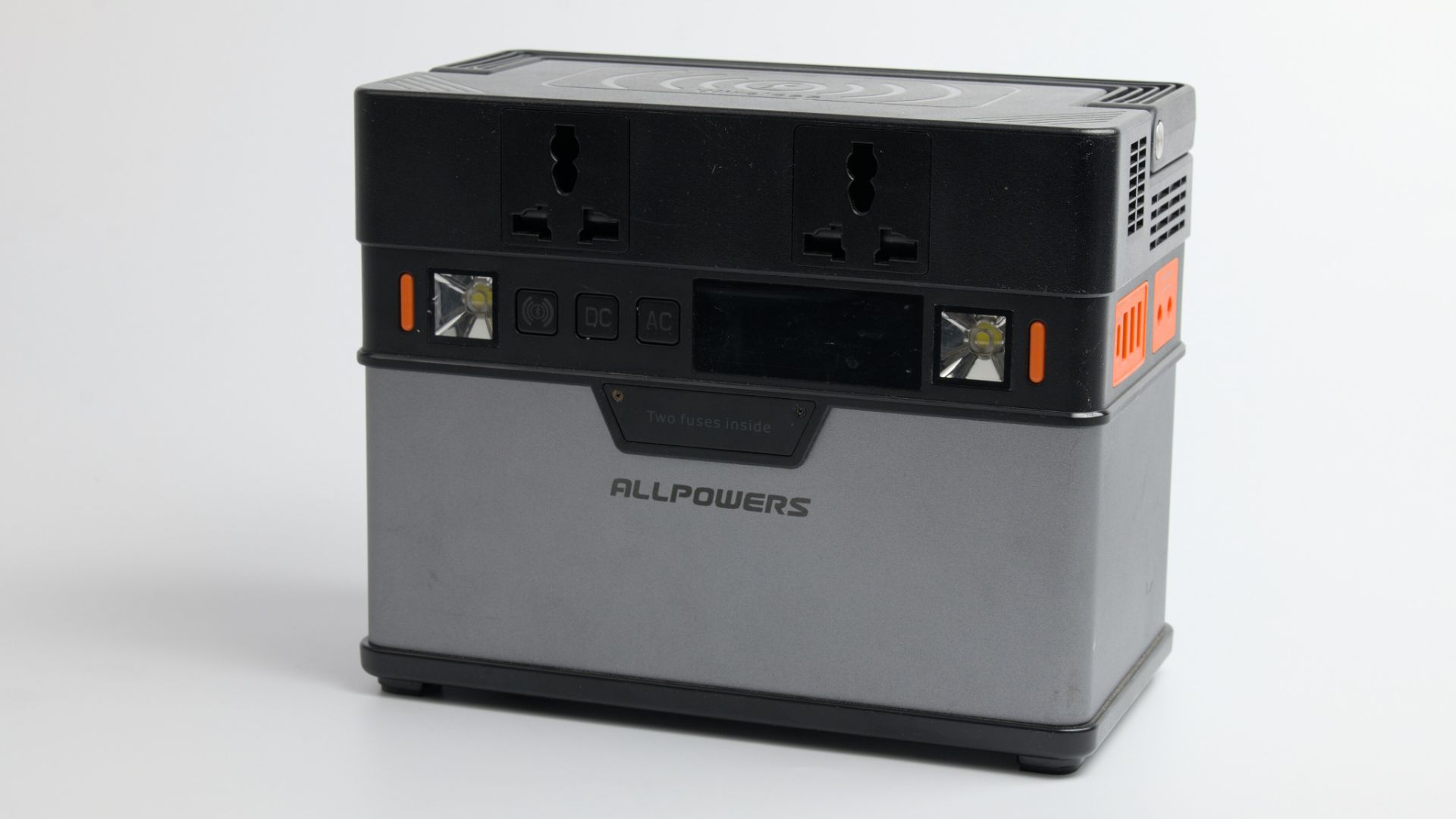
A blackout forces households to decide what needs electricity first: the refrigerator, a few lights, or the heating system. A home battery and a portable power station can both supply stored energy, but they differ in how they deliver it and how much installation they require. For households choosing backup power, the decision comes down to which appliances must run, how long outages typically last, and whether the system needs to work automatically. A portable station can suit selected devices, while an installed home battery can support circuits throughout the house, depending on its configuration. How the two systems deliver backup power A home battery connects to the household electrical system through an inverter and associated control equipment. In a backup-capable installation, that equipment disconnects the home from the grid during an outage and supplies designated circuits from the battery. Depending on system design, coverage can include selected essential loads or the entire home. A portable power station packages battery storage, an inverter, and outlets into a unit that supplies appliances plugged directly into it. This makes it useful for powering individual devices without installing a permanent battery system. The distinction is becoming less rigid, however. Some larger portable stations support expansion batteries and can connect to household circuits through compatible transfer equipment. Buyers therefore need to compare the actual configuration. A portable unit connected to a home panel involves different equipment and installation requirements from one used simply to charge phones. Capacity determines runtime, while output limits appliances Two specifications matter: energy capacity and power output. Capacity, measured in watt-hours or kilowatt-hours, indicates how much energy the battery can store. Output, measured in watts or kilowatts, determines how much load equipment can operate simultaneously. California’s Air Resources Board emphasizes that backup batteries must be sized for both demand and runtime. Consider a simplified example: a battery delivering 1 kilowatt-hour (1,000 watt-hours) to appliances could support a constant 100-watt load for 10 hours. Actual runtime depends on conversion losses, the available charge, and how appliances cycle. Starting demand also matters. A refrigerator or pump may briefly require more power when their motor starts. Check the backup system’s continuous and surge ratings against the appliances it must operate. A larger battery does not automatically mean every appliance can run together. Tesla advises Powerwall owners to manage high-consumption equipment during outages because combined demand can exceed the system’s power rating. Reducing those loads also extends runtime. Which option makes more sense? For a renter or a household covering occasional short outages, a portable station is a practical starting point when the priority is a few essential plug-in appliances. Compare its purchase price, usable capacity, output, weight, and charging options. An installed home battery deserves closer consideration when automatic backup and hardwired appliances are priorities. Compare complete installed quotes, including electrical work and backup controls, rather than battery prices alone. For extended blackouts, recharging becomes decisive. Both options eventually exhaust their stored energy unless another source replenishes it. Compatible solar panels can help, but production depends on sunlight and system capabilities. Existing rooftop solar does not automatically provide power during blackouts. The US Department of Energy explains that conventional grid-connected solar generally shuts down during outages; continued operation requires an appropriately configured inverter and storage system. Start with an appliance list and a realistic outage duration. If a few outlets cover those needs, portability may be sufficient. If the requirement extends to automatic circuit-level backup, an installed system may justify the additional work. Get the latest in engineering, tech, space & science - delivered daily to your inbox.Atharva is a full-time content writer with a post-graduate degree in media & amp; entertainment and a graduate degree in electronics & telecommunications. He has written in the sports and technology domains respectively. In his leisure time, Atharva loves learning about digital marketing and watching soccer matches. His main goal behind joining Interesting Engineering is to learn more about how the recent technological advancements are helping human beings on both societal and individual levels in their daily lives.
Home Battery vs. Portable Power Station: Which makes more sense during a blackout?
Full Article
Original Source
Read the full article at Interestingengineering →KhanList aggregates and links to publicly available news content. We do not host full articles from third-party sources. Always verify important information with original sources.