
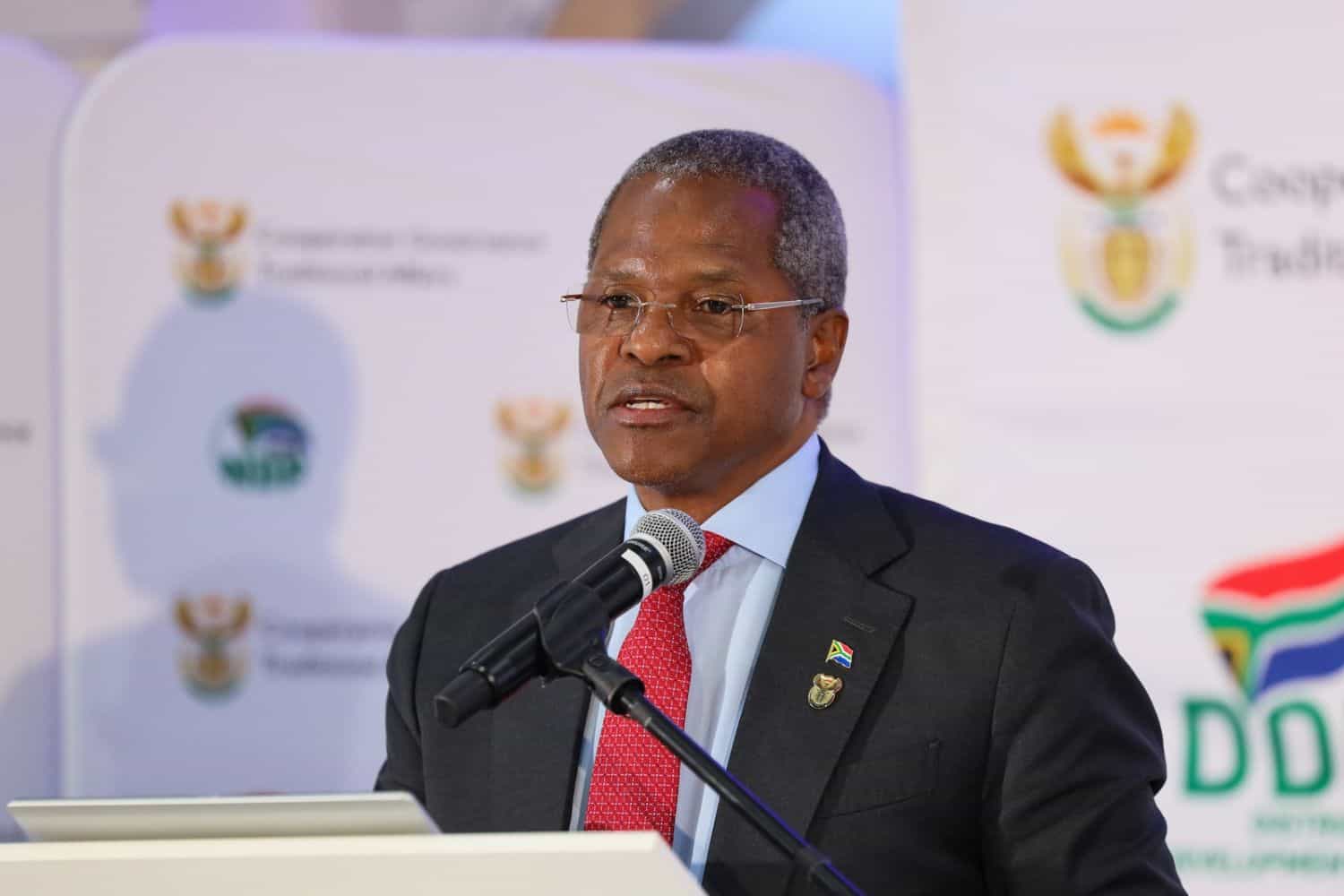
Four provinces still have municipalities that have not completed the process. Eight municipalities across South Africa are still without newly constituted councils after failing to meet the 14-day deadline following the 2026 local government elections. Cooperative Governance and Traditional Affairs (Cogta) Minister Velenkosini Hlabisa has confirmed that provincial governments are expected to step in to break the deadlocks. The delay comes as most municipalities have completed the process of electing their mayors, deputy mayors and speakers, paving the way for their new administrations to take shape. Among the municipalities that have successfully completed the process this week are City of Tshwane, Johannesburg, eThekwini, Nelson Mandela Bay, Ekurhuleni and Mangaung. The 4 November elections left political parties without outright majorities in 139 of the country’s 213 municipal councils, making coalition negotiations crucial to determining who would govern. Several council meetings had to be postponed or adjourned as parties struggled to reach agreements on power-sharing arrangements. Emfuleni remains caught in repeated council disruptions Emfuleni Local Municipality has emerged as one of the most prominent examples of the challenges facing some councils, with its attempts to elect new leadership repeatedly derailed. The municipality’s council meeting was postponed for the third time on Friday, 27 November, after pepper spray was discharged at Vereeniging City Hall, forcing councillors and other attendees to evacuate the building. The latest disruption followed two unsuccessful attempts to convene the council. Monday’s meeting was called off following disruptions, while Thursday’s sitting was adjourned after the municipal manager was unable to attend due to medical reasons. Free State accounts for half of outstanding municipalities According to Hlabisa, municipalities in the Northern Cape, Limpopo, KwaZulu-Natal (KZN), Mpumalanga and North West have successfully elected their mayors, deputy mayors and speakers. “This is very encouraging as we were anticipating that there would be deadlocks after deadlocks,” he told SABC News on Saturday, 28 November. However, four provinces still have municipalities that have not completed the process. In Gauteng, Lesedi and Emfuleni are yet to constitute their councils. Matzikama Local Municipality in the Western Cape and Inxuba Yethemba Local Municipality in the Eastern Cape are also outstanding. The Free State has the highest number of outstanding councils, with Mafube, Metsimaholo, Ngwathe and Moqhaka Local Municipalities all missing the deadline. Hlabisa indicated that provincial Cogta MECs would now be expected to assist the affected municipalities through mediation and other interventions. “I’m very confident that these deadlocks will be overcome because largely the coalition understanding between political parties is becoming better and better in every day as we see other provinces that have complied 100%. “Once the MEC has come closer to assist, the MEC will use the advantages [and] the capabilities at a provincial government to mediate to ensure that these municipalities also comply,” the minister explained. District councils The failure by the eight municipalities to constitute their councils has also created complications for the next phase of the process. Hlabisa confirmed that district councils had 14 days to complete their constitution, warning that the outstanding local municipalities could hold up the entire process. “The eight municipalities are going to be a stumbling block. The districts where these municipalities exist cannot move to establish themselves. “The delay is a delay to the second layer. Now, the 10th of December, all municipalities must have been established.” Dissolution of councils remains an option The minister also addressed the repeated disruptions at Emfuleni, saying provincial governments would need to intervene to prevent further incidents and ensure the process moves forward. He explained that if initial provincial interventions failed to produce results, provincial leadership would have to assume control of the process and appoint a mediator to help resolve the impasse. A further option would be the dissolution of a council under Section 139 (1)(c) of the Constitution, although Hlabisa believes such drastic action can still be avoided. “I really don’t think we will reach that stage. If you look at the remaining number, it is very small, and we are going to put all our efforts into supporting these municipalities, while provincial Cogtas are also helping. “As a national department, we are playing an oversight [role] to ensure that we do not reach Section 139, which is dissolution, but instead unblock the challenges facing these eight remaining municipalities.” Hlabisa added that his department had also started engaging political parties after it became apparent that the municipalities would not meet the prescribed deadline.
Hlabisa says dissolution is a last resort as eight municipalities miss deadline to constitute councils
Full Article
Original Source
Read the full article at Citizen →KhanList aggregates and links to publicly available news content. We do not host full articles from third-party sources. Always verify important information with original sources.