
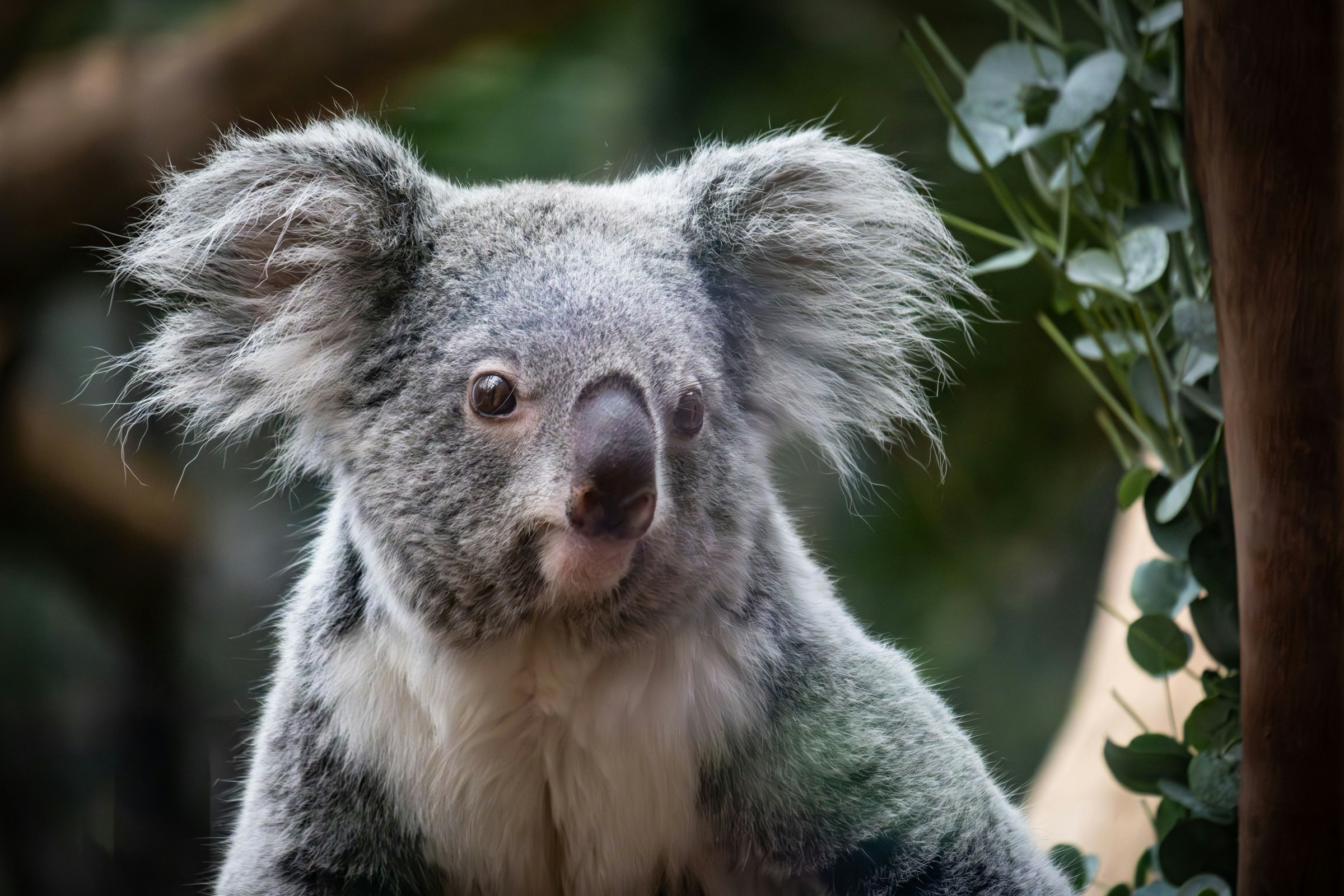
The parliament of Australia’s New South Wales state has passed legislation to create the Great Koala National Park.The park, slated to open before the end of 2026, will incorporate 178,000 hectares (440,000 acres) of state forests and other government land into the existing national park estate, creating a protected area spanning 475,000 hectares (1.2 million acres).A carbon credit scheme will be used to fund the park in the long term, an approach that has been widely criticized.Multiple attempts to amend the carbon credit scheme were voted down in parliament. SYDNEY — After more than a decade of campaigning, Australian conservation and community groups celebrated a historic win on Oct. 23 after legislation was passed to create the Great Koala National Park in New South Wales (NSW). The campaigners’ success came 10 days after NSW Premier and Labor politician Chris Minns tabled a bill proposing the creation of the park in the Mid North Coast region of the state. The park was a key 2023 election promise made by Australia’s Labor Party. “This park will protect our precious Australian wildlife and boost tourism for the region for generations,” Minns wrote on Facebook after the result of the vote. The park, slated to open before the end of 2026, will incorporate 178,000 hectares (440,000 acres) of state forests, primarily earmarked for native timber harvesting, and other government land into the existing national park estate. It will create a protected area spanning 475,000 hectares (1.2 million acres) for 12,000 koalas (Phascolarctos cinereus) and more than 100 other threatened fauna and flora species, including southern greater gliders (Petauroides volans), glossy black cockatoos (Calyptorhynchus lathami) and rare spider orchids. The park, slated to open before the end of 2026, will incorporate 178,000 hectares (440,000 acres) of state forests. Image courtesy of NSW National Parks and Wildlife Service. The Gumbaynggirr and Dunghutti people, who have helped shape the national park, “will continue to guide its management,” according to the NSW government. “Eight Aboriginal rangers will be employed through community-controlled organisations and some park roles will be identified for Aboriginal people.” The koala, once common along the eastern seaboard, was declared endangered in NSW in 2022. The number fell by a third between 1990 and 2010 due to habitat loss, disease and climate stress, including bushfires. It is estimated that the 2019-2020 bushfires, one of Australia’s worst fire seasons, killed 71% of the remaining koalas on NSW’s northern coast. A 2020 parliamentary inquiry warned the marsupial, which currently numbers around 274,000 in NSW, could disappear from the state by 2050. Grahame Douglas, president of the Coffs Coast Branch of the National Parks Association of New South Wales, the lead organization for the Great Koala National Park Campaign, called the legislation’s passage a “great achievement” and a “celebration for conservation and koalas.” In a statement on Oct. 23, WWF-Australia said: “This is a historic win for koalas, forests and the communities who have been fighting for their protection.” Great Koala National Park reservation bill area. Image courtesy of NSW National Parks and Wildlife Service. Controversial financing scheme Some aspects of the legislation have caused concerns among conservationists, particularly that the park’s long-term financing will rely on carbon trading, despite public opposition. The state government earmarked AU$140 million ($98.5 million) to establish the park. But, in a first for Australia, long-term funding will largely come from Australian Carbon Credit Units (ACCUs) under the NSW Labor government’s Improved Native Forest Management (INFM) method. The INFM method uses an accounting tool to generate carbon credits for projects that reduce or stop the harvesting of native forest on public land, such as the park. These credits can be used by emitting industries to offset their emissions. When NSW Premier Minns floated the plan, critics raised concerns about whether conservation should be funded through a commercial model that allows “greenwashing” and what this means for future conservation funding models in NSW. One accused Minns of holding the park “hostage” to the carbon credit scheme. “The best way to protect forests is to implement a native forest logging ban,” says think tank The Australian Institute on its website. “And the best way to tackle climate pollution is to make polluters cut their emissions — not buy cheap dodgy offsets to cook the books.” “When the Koala National Park was promised by the Labor government, there was no discussion around carbon credits, or it being dependent on carbon credits,” said Tanya Fox from Friends of Pine Creek, a community group calling for additional bushland in Pine Creek to be included in the national park. “It does feel like a letdown that they’ve turned around and said that if there’s no money coming from the forest, then we can’t have the park,” she told Mongabay. It is estimated that the 2019-2020 bushfires, one of Australia’s worst fire seasons, killed 71% of the remaining koalas on NSW’s northern coast. Image courtesy of DCCEEW, Australia. While acknowledging the controversy over the INFM method, some conservationists and the Australian Greens party chose to accept it as part of the “cost” of getting the park approved. “It’s not ideal, but it provides a very practical and useful way of moving out of native forest logging,” the National Parks Association’s Douglas said in an interview with Mongabay. During the parliamentary debate, Greens lawmaker Abigail Boyd described the INFM method as “profoundly and fundamentally flawed and will only serve as a net negative when it comes to action on climate change.” Her Greens party colleague Cate Faehrmann said: “I acknowledge the hurt that a lot of people have felt about the decision to require a carbon credit scheme for the national park. We continue to fight for the forests together, but things should not have been that way.” Multiple attempts to amend the carbon credit scheme were voted down in parliament. In an interview with Mongabay on Oct. 26, Sue Higginson, Greens spokesperson for the environment, said, “We should protect nature for its own sake.” She called for forest national parks to continue to be created without carbon credits, while ensuring carbon credits used to create the Great Koala National Park aren’t used to commercialize conservation. “NSW Labor have broken any trust they had left on environmental issues when they spent their first two years in government logging the forests in the Great Koala National Park and then making their protection contingent on carbon credits,” she said. “We are calling on the Minns Labor Government to retire any credits generated from the Great Koala National Park rather than trade them.” Other threatened species like the glossy black cockatoo (Calyptorhynchus lathami) live in these forests. Image courtesy of NSW National Parks and Wildlife Service. Recreation area In a government statement published when the bill was tabled, Australian Environment Minister Penny Sharpe said that apart from saving koalas, “the Great Koala National Park can also be a world-class area for recreation.” However, some conservationists are unhappy that a host of recreational users have been considered as part of the park proposal, including car clubs, three archery clubs and four mountain bike clubs. “About 17% of the Great Koala National Park is regional parks to facilitate user groups of various sorts,” Douglas told Mongabay. “It’s not appropriate to be having a car race in a national park, and you certainly are not allowed to do it in a nature reserve.” There is a long history of motorsport events in the region, including within the proposed park boundaries, which the legislation specifically sought to accommodate by creating lesser-protected regional parks. Douglas said he lobbied for a change. A last-minute amendment to the bill saw five of around 10 regional parks removed from the motorsport provision. “There’ll be a process of developing environmental guidelines, and then the car club will have to apply in terms of what tracks they use,” he said. “Then the minister or the secretary will have to sign off and say ‘yes.’” Mountain biking in Bongil Bongil National Park, NSW. Image courtesy of NSW National Parks and Wildlife Service. More work needed Despite the success, conservationists say more work needs to be done. “The park seeks to balance conservation with employment, and the next stage is to develop the plan of management framework for the reserves,” Douglas said. Spokesperson Higginson said the Greens and other conservation groups vowed to push the NSW government to continue expanding conservation areas for the marsupial, including the Richmond River koala stronghold. “There is also unfinished business” with critical koala habitat in Pine Creek and Tuckers Nob State Forests, which are currently excluded from the Great Koala National Park, she added. “We fought to have these forests included [in the park] and will continue to work with the community to secure their protection,” Higginson said. The NSW government and the opposition Liberal Party did not respond to Mongabay’s requests for comment by the time of publication. Banner image: The koala, once common along the eastern seaboard, was declared endangered in NSW in 2022. Image by Kenny Van Roosbroek via Unsplash. Australia’s new national park links habitat to protect koalas An Australian state promised to turn native forest into a national koala park. It’s still being logged Credits Topics
‘Historic win’: Australian state approves national koala park despite controversial funding
Full Article
Original Source
Read the full article at News →KhanList aggregates and links to publicly available news content. We do not host full articles from third-party sources. Always verify important information with original sources.