
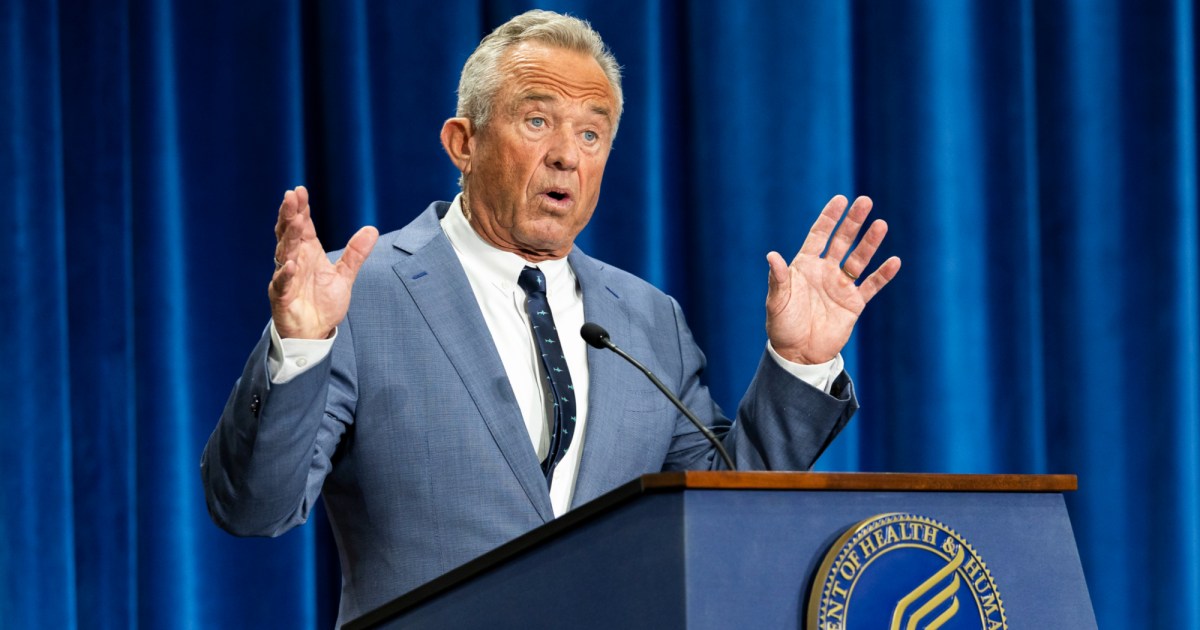
Health and Human Services Secretary Robert F. Kennedy Jr. speaks during an HHS event in Washington, DC, October 5, 2026.Finn Gomez/Getty Get your news from a source that’s not owned and controlled by oligarchs. Sign up for the free Mother Jones Daily. Newborn vaccine rates against hepatitis B, an incurable infection that severely damages the liver, have fallen sharply in the US—by nearly 15 percent—in the last few years, according to a study newly published in the New England Journal of Medicine. Researchers from Truveta, a health care data company, and the Callen-Lorde Community Health Center, a primary care center in New York City, found in the paper released Tuesday that, as of June, less than two-thirds of newborns received the hepatitis B vaccine within a day of their birth, a decline from about 80 percent in 2022. Without vaccination against hepatitis B, 90 percent of infants infected with the virus develop chronic infections that can lead to liver failure and liver cancer. According to the World Health Organization, individuals with chronic hepatitis B infections have a 15 to 25 percent risk of dying prematurely from related causes. Since the CDC first began recommending vaccinating all newborns against hepatitis B at birth in 1991, chronic infections in children and teens have fallen by 99 percent. In that same time period, the vaccine has prevented more than 500,000 childhood infections and prevented an estimated 90,000 childhood deaths. The NEJM study found that newborn vaccination rates began declining in 2023—but rates may drop even further. Last December, the CDC’s vaccine advisory panel dropped its decades-long recommendation that all newborns receive a first dose of the hepatitis B vaccine within 24 hours of birth—part of a reduction of the childhood vaccination schedule under Health and Human Services secretary Robert F. Kennedy, Jr. A federal judge placed a stay on the recommendation changes in March, and the government’s appeal of the ruling is pending. The reductions in hepatitis B vaccinations among newborns “aren’t just a trend line,” Demetre C. Daskalakis, a co-author of the Truveta study and the former director of the CDC’s National Center for Immunization and Respiratory Diseases, said in a public statement. “Each data point represents a real child who may be left vulnerable to a preventable disease. At a time when vaccine policy is changing, we need more evidence guiding our decisions, not less.”
Hepatitis B Vaccination Rates Are Plummeting in Kids
Full Article
Original Source
Read the full article at Motherjones →KhanList aggregates and links to publicly available news content. We do not host full articles from third-party sources. Always verify important information with original sources.