
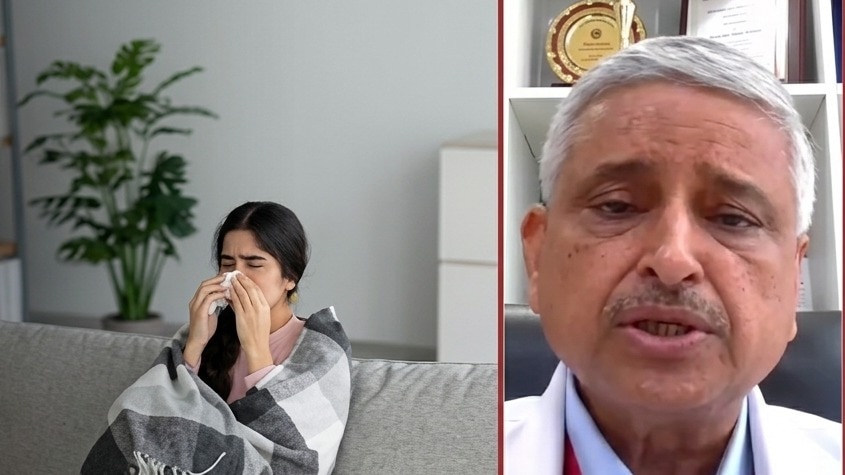
H1N1 cases are unusually high this year, but most infections remain mild. Dr Randeep Guleria explains when to test, who needs treatment, why vaccination matters and which symptoms should not be ignored.H1N1 cases are rising, but experts say there is no need to panic. Here's when to test, who should take Tamiflu, why vaccination matters and when flu symptoms need medical attention.India's seasonal flu wave is looking bigger than usual this year, with H1N1 cases rising during the monsoon. But does every fever require a test? When should you take Tamiflu? And is it too late to get the flu vaccine now? Dr Randeep Guleria says the answers depend on symptoms, age and underlying health conditions. He also warns that official case numbers may not show the full picture because many people with mild symptoms never get tested.CASES ARE HIGH, BUT THERE IS NO NEED TO PANICInfluenza cases normally increase during the monsoon and winter, but the number of cases this year is unusually high, according to Dr Guleria.Higher humidity and heavier monsoon rainfall may allow the virus to survive for longer, while crowded spaces can increase person-to-person transmission.However, there is no indication at present of a new pandemic or epidemic threat. Most patients are expected to have a mild, self-limiting illness and recover within five to seven days. THE VIRUS HAS NOT CHANGED DRAMATICALLYThe H1N1 virus circulating now is from the same influenza strain that has been around since the 2009 pandemic.Minor changes occur in influenza viruses each year. This is one reason the flu vaccine is updated annually. H1N1 and Covid-19 can also produce similar symptoms, but they belong to different virus families and are treated differently. Testing can help doctors distinguish between the two.ACTUAL H1N1 CASES MAY BE MUCH HIGHERThe official numbers may not tell the entire story.Many people with mild fever, cough or body aches never visit a doctor or get tested. Dr Guleria therefore believes the actual number of H1N1 infections is likely to be much higher than reported figures.That does not mean everyone with flu-like symptoms needs a test.People with persistent fever, chest tightness or breathlessness, particularly those in high-risk groups, should seek medical advice and may need early testing.WHEN DOES TAMIFLU HELP?Timing is important when it comes to antiviral treatment.Oseltamivir, commonly known as Tamiflu, works by reducing viral replication and is most useful when started early. Waiting several days before seeking care can reduce the benefit of treatment.For seriously ill or high-risk patients, doctors may sometimes start antiviral treatment while waiting for the test result rather than losing valuable time.But Tamiflu should not be self-prescribed. A doctor needs to decide whether antiviral treatment is appropriate.WHO SHOULD NOT IGNORE SYMPTOMS?Older adults and people with underlying health conditions need to be particularly careful.Adults should seek medical attention for breathlessness, chest tightness, persistent fever, repeated vomiting, dehydration, dizziness or unusual drowsiness.In children, poor feeding, reduced responsiveness, vomiting or rapid breathing can indicate more serious illness.KEEP CHILDREN WITH FLU AT HOMEA child with fever, cough or cold should stay home instead of going to school.An infected child can pass the virus to classmates, who may then carry it home to elderly relatives or other vulnerable family members.Dr Guleria recommends that anyone with fever, cough and cold, child or adult, stay home for five to seven days, or until symptoms, particularly the cough, have settled.VACCINE CAN REDUCE SEVERE FLUThe flu vaccine may not completely prevent H1N1 infection, but it can reduce the risk of severe disease, hospitalisation and ICU admission.For India, Dr Guleria recommends taking the Southern Hemisphere flu vaccine around April or May, ahead of the monsoon season. Those who missed that window can still discuss vaccination with their doctor now.He also says India needs a stronger adult or life-course immunisation programme, particularly covering pregnant women, older adults, travellers and other high-risk groups.DON'T TAKE ANTIBIOTICS ON YOUR OWNOne of the biggest problems during a flu surge is self-medication.Antibiotics do not treat viral influenza. Most uncomplicated cases improve with rest, fluids and symptomatic treatment.Taking antibiotics unnecessarily can expose people to side effects without treating the infection.MASKS AND HAND HYGIENE STILL MATTERSimple precautions can help slow transmission.Cover your mouth and nose when coughing or sneezing, sanitise or wash your hands regularly and consider wearing a mask in crowded public places during the surge.Doctors also need to keep an eye on hospitalisations, ICU admissions and fatalities, particularly among elderly patients. Those numbers are more useful in judging how severe the current wave is than infection counts alone.For most people, H1N1 will remain a short-lived illness. But breathlessness, persistent fever or worsening symptoms are not signs to simply wait out at home.- EndsPublished By: vaishnavi parasharPublished On: Aug 24, 2026 16:47 IST
H1N1 cases much higher than reported, but no pandemic threat: Dr Randeep Guleria
Full Article
Original Source
Read the full article at Indiatoday →KhanList aggregates and links to publicly available news content. We do not host full articles from third-party sources. Always verify important information with original sources.