
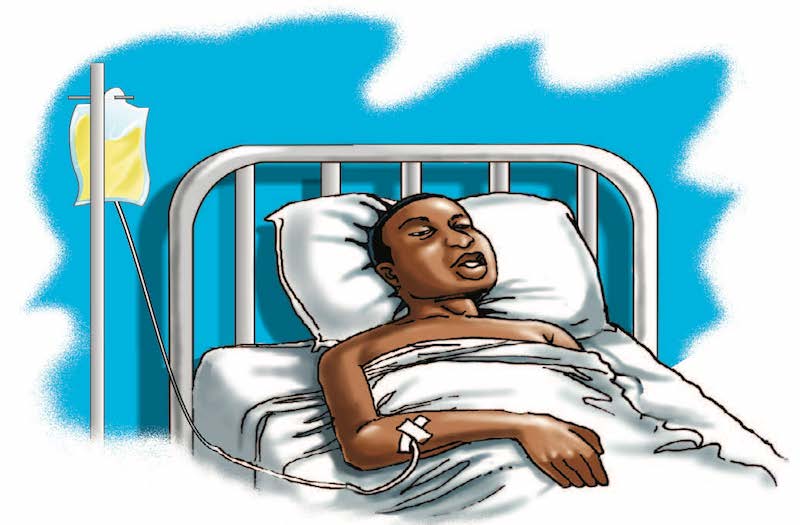
All stakeholders should do more to contain the scourge When in June this year a medical doctor in Benue State died following complications from Lassa fever, we admonished health authorities in the country to work towards averting what could be another harvest of deaths. There is no indication that the admonition was heeded. According to the latest statistics from the Nigeria Centre for Disease Control and Prevention (NCDC), no fewer than 268 deaths have so far been recorded in 2026, with the case fatality rate rising to 23.6 per cent, up from 18.6 per cent during the same period in 2025. The situation report also reveals that confirmed cases have increased from 924 during the corresponding period in 2025 to 1,138 this year. The NCDC attributed the challenge partly to late presentation of cases at health facilities, high cost of treatment, and poor health-seeking behaviour in affected communities. We consider it rather unfortunate that Lassa fever has been a serious health challenge in Nigeria since it was first diagnosed in Lassa (the village for which it was named) in Borno State in 1969. Even though there have been efforts in the past to contain the scourge, the country has been witnessing frequent outbreaks in recent years. This, according to the World Health Organisation (WHO) “could be attributed to reduced response capacity in surveillance and laboratory testing.” Not only is it egregious that Nigerians die needlessly from a preventable disease like Lassa fever, what the latest figures indicate is that if indeed there have been any preventive strategies, they are not working. Early detection and prompt treatment remain critical to survival. But to rid the nation of a preventable disease that claims the lives of dozens of our citizens on an annual basis, authorities in the health sector need to do more work. Lassa fever is an acute febrile illness which is caused by a virus with an incubation period of between six to 21 days. The onset of the disease is usually gradual, starting with fever, general weakness, before being followed by headache, sore throat, muscle pain, vomiting, cough, and bleeding from mouth, etc. However, because the symptoms of Lassa fever are so varied and non-specific, clinical diagnosis is often difficult, especially early in the course of the disease. For that reason, steps should be taken by the government, at all levels, to emphasise routine infection prevention and control measures. Healthcare workers should also be advised to always be careful to avoid contact with blood and bodily fluids in the process of caring for sick persons. Experts have also advised that people should ensure their food is properly covered, while regular handwashing should be adhered to always. The bush around the home should also be cleared regularly while windows and doors of the house should be closed, especially when it is nighttime. The public should be adequately enlightened on the dangers posed by rats, the major carriers of the disease, in their homes. With the enormous resources available to them now, authorities in the 36 states and 774 local government areas should be able to mount a campaign on the disease. But the real challenge is to work towards the containment of the disease. The authorities should take both preventive and long-term measures so that we do not continue to lose our citizens to the virus that has for decades been an emblem of shame. ·
GROWING FATALITIES FROM LASSA FEVER
Full Article
Original Source
Read the full article at Thisdaylive →KhanList aggregates and links to publicly available news content. We do not host full articles from third-party sources. Always verify important information with original sources.