
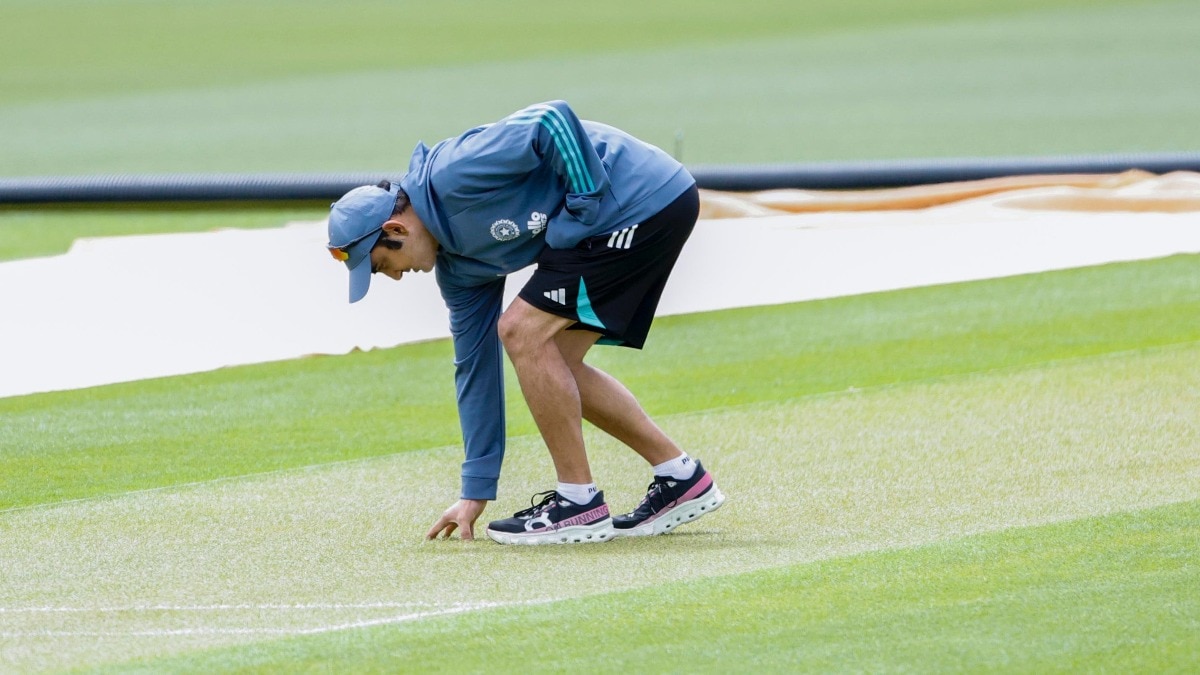
The thick covering of grass on the Hagley Oval pitch was hard to miss on the eve of the second Test between India and New Zealand. After five days of frustration at the Basin Reserve in Wellington, where only 24 wickets fell and 1,327 runs were scored, the green surface in Christchurch has raised hopes of a more engaging contest between bat and ball.But there is a question India will be particularly keen to find an answer to: will the grass deceive again?The Wellington pitch had offered plenty of encouragement for the fast bowlers on paper. There was a healthy covering of grass, and expectations of uneven bounce and movement. Yet, once the match got underway, the surface flattened out, became increasingly slower and offered little assistance to the bowlers. India and New Zealand ended up sharing the honours in a high-scoring draw.The sight of another green surface has, therefore, brought back memories of Wellington. However, Hagley Oval's head curator Jayden Tohill, speaking to PTI, has insisted that preparations for the second Test have been different, and that the surface should offer a more balanced contest. Tohill was also quick to dismiss the recent India A-New Zealand A unofficial Test at the venue as a reference point. That match, played nearly three weeks ago, also ended in a draw, with India A scoring 346 and 282 for two, while New Zealand A made 424 in their only innings. Dhruv Jurel and Yashasvi Jaiswal struck hundreds for India A."There were a couple of things that did not play out particularly well during the preparation for us, so I wouldn't use that as a reference point for the wicket," Tohill said during the match-eve press conference. The curator explained that extreme weather conditions had affected preparations for the India A fixture, with unusually hot weather followed by two or three days of poor conditions. The current surface, meanwhile, has benefited from a thorough winter renovation, with the weather largely cooperating during preparations."Ideally, it should be a balanced contest. It normally favours the bowlers first up and then turns into a good surface for batters," Tohill said. Can you spot the pitch? (Courtesy of BCCI) WILL THE BALL REMAIN HARD?The Wellington draw also raised questions about the condition of the ball. Shubman Gill had raised concerns about the ball becoming softer after 25-30 overs, irrespective of whether teams were using the Dukes or Kookaburra. The India captain felt it was becoming increasingly difficult for fast bowlers to maintain pressure once the ball lost its shine and hardness.New Zealand captain Tom Latham, however, believes the Christchurch surface could offer a different experience. The green nature of the wicket and the limited amount of recent cricket played on it could help the ball retain its condition for longer."I think sometimes the wicket can dictate what the ball does, whether it's a little bit flatter or a little bit more abrasive, then the ball can deteriorate a little bit quicker, whether that be a Dukes ball, whether that be a Kookaburra ball," Latham said."I think we'll probably see here throughout the game that it will probably stay newer for longer because of the green surfaces. And there hasn't been a lot of cricket played out here at Hagley, so there's not a lot of used wickets that can deteriorate the ball quicker," he added.Latham's assessment offers some encouragement to the Indian pace attack, which struggled to make inroads during New Zealand's marathon second innings in Wellington.WHAT HAPPENED LAST YEAR IN CHRISTCHURCH?Curator Tohill also pointed to last year's New Zealand-West Indies Test at Hagley Oval as an example of the kind of contest the venue can produce. New Zealand were bowled out for 231 in their first innings before restricting the visitors to 167. However, the surface eased considerably as the match progressed. After Rachin Ravindra (176) and Tom Latham (145) helped New Zealand declare at 466 for eight, the West Indies were set a daunting target of 531. Shai Hope struck 140 before Justin Greaves produced an unbeaten 202, while Kemar Roach made 58 not out as the visitors batted out 163.3 overs to finish at 457 for six.Tohill admitted that the weather during the middle stages had flattened the surface but said he was satisfied with the contest, which remained open to all three results until the final session of the fifth day.The curator also revealed that the venue uses Kakanui clay, known for its shrinking and swelling properties, while explaining that the ground staff work with previous Test-match data to prepare a surface that can produce a result.India have played only one Test at the Hagley Oval, and it came way back in February 2020. India lost the Test by seven wickets despite taking a seven-run first innings lead. Virat Kohli's team scored 242, but were bowled out for 124 in the second innings. New Zealand chased the 132-run target with seven wickets to spare.For India, the Christchurch Test presents an opportunity to put the Wellington disappointment behind them. The grass might offer early assistance, but the real test will be whether it continues to play a part as the match progresses. After being deceived once, the Indian bowlers will be hoping that this green tinge is not another false promise.Neither side can afford another draw, with both needing valuable points to strengthen their chances of reaching the World Test Championship final. A draw earns four points, while a win fetches 12.- Ends
Grass or mirage? Green Christchurch pitch in focus after Wellington Test draw
Full Article
Original Source
Read the full article at Indiatoday →KhanList aggregates and links to publicly available news content. We do not host full articles from third-party sources. Always verify important information with original sources.