
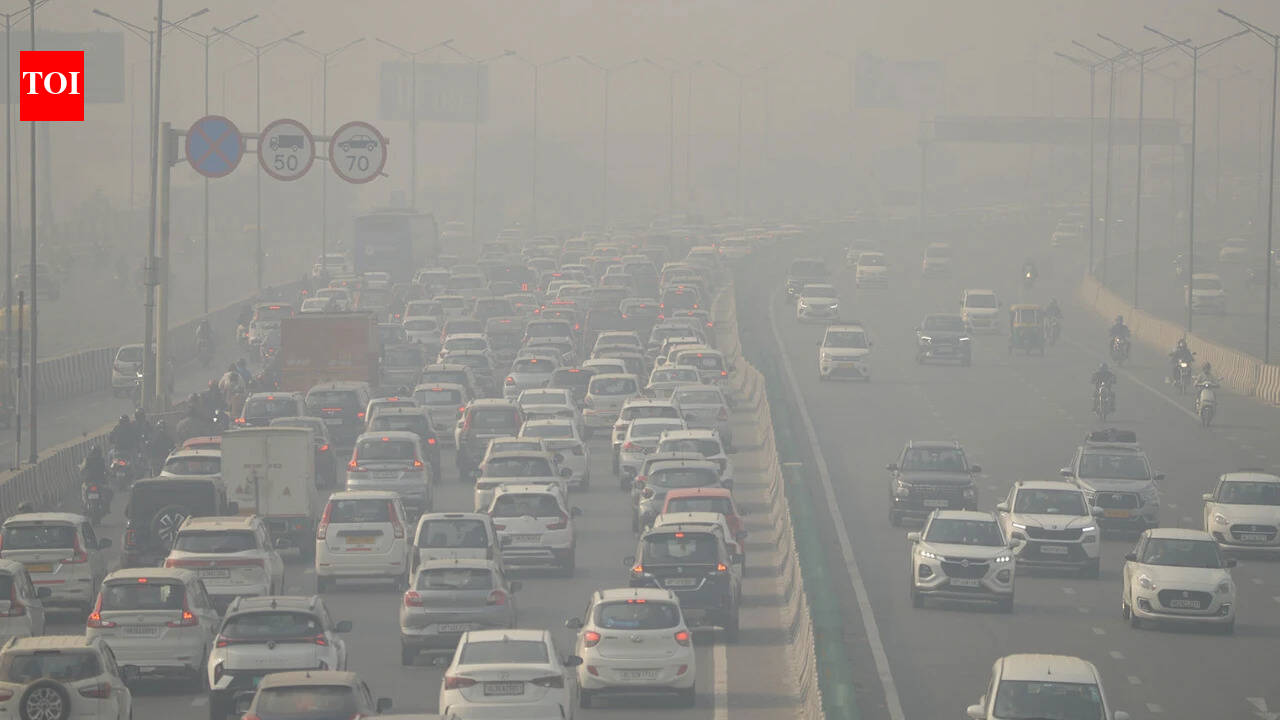
Delhi-NCR has invoked Stage 1 of the Graded Response Action Plan due to poor air quality levelsNEW DELHI: From restrictions on coal-fired tandoors at eateries to curbs on diesel generator use, Delhi-NCR’s first stage of the Graded Response Action Plan (GRAP) brings a set of measures aimed at preventing air quality from worsening further.With several additional pollution-control measures announced for the coming weeks, here is what is restricted now, what remains allowed and which curbs are scheduled to take effect from November 1.The Commission for Air Quality Management (CAQM) invoked Stage 1 of GRAP across Delhi-NCR with immediate effect on Wednesday after Delhi’s Air Quality Index (AQI) rose to 244 at 2pm on October 21, from 179 a day earlier.Forecasts by the India Meteorological Department (IMD) and the Indian Institute of Tropical Meteorology (IITM) indicate that air quality is likely to remain in the ‘poor’ category over the coming days, news agency PTI reported.What is banned under GRAP-1?Under Stage 1, the use of coal and firewood as fuel in tandoors at hotels, restaurants and open eateries is prohibited.The use of diesel generator sets is allowed only in emergency or essential situations, as specified under the applicable rules.The CAQM has directed agencies across the NCR to implement the measures immediately and monitor air quality closely.Agencies have also been asked to ensure that AQI levels do not deteriorate further and intensify measures if the situation worsens.What is allowed under GRAP-1?GRAP-1 does not impose a blanket ban on all vehicles, construction activity or everyday movement.The restrictions specified in the CAQM order focus on the use of coal and firewood in commercial tandoors and diesel generator sets.Vehicle-entry restrictions, parking charges and office arrangements announced by the Delhi government are separate measures under its winter pollution-control plan.Their applicability depends on the specific directions and implementation dates announced by the government.What are the four stages of GRAP?GRAP is a set of emergency measures that become progressively stricter as air pollution worsens.Stage 1 - Poor: AQI between 201 and 300.Stage 2 - Very poor: AQI between 301 and 400.Stage 3 - Severe: AQI between 401 and 450.Stage 4 - Severe plus: AQI above 450.The measures are intended to prevent further deterioration in air quality, PTI reported.Authorities monitor pollution levels and forecasts to determine when additional restrictions are required.Which vehicle curbs will start from November 1?Delhi environment minister Manjinder Singh Sirsa said the government was prepared with additional preventive measures to tackle winter pollution.From November 1, vehicles without a valid Pollution Under Control Certificate (PUCC) will be denied fuel under the “No PUCC, No Fuel” rule, PTI reported.Enforcement against end-of-life vehicles will also be strengthened.Vehicles registered outside Delhi that do not meet BS-VI emission standards will be barred from entering the city from November 1 to January 31.CNG and electric vehicles will be exempt from this restriction.These measures are part of the government’s wider winter action plan and are separate from the immediate GRAP-1 restrictions invoked by CAQM.Will office timings and parking charges change?The Delhi government has announced staggered office timings and work-from-home arrangements to reduce vehicular emissions and peak-hour congestion.Under the announced plan, 50% of employees in government and private offices will work from home, PTI reported.Municipal Corporation of Delhi offices will operate from 8.30am to 5pm, while Delhi government offices will function from 10am to 6.30pm.Parking charges at authorised parking facilities will double from November 1, with Metro parking facilities exempt. The move is intended to encourage greater use of public transport.What are the construction restrictions?The government has announced restrictions on dust-generating demolition and outdoor civil construction activities from November 1 to January 31.A complete ban on construction and demolition activities is scheduled from December 10 to January 20.These dates form part of the announced winter pollution-control plan and should not be confused with the immediate GRAP-1 order.How will Delhi monitor pollution this winter?Sirsa said nearly 30 agencies were working together under the government’s 11-point air pollution mitigation plan.Delhi plans to expand its network of Continuous Ambient Air Quality Monitoring Stations from 47 to 60 and deploy 334 enforcement teams to monitor pollution and ensure compliance with environmental norms, PTI reported.Long-term measures include end-to-end road carpeting to reduce road dust, promoting electric vehicles and phasing out polluting fuel-based industries in Delhi-NCR.Citing a government assessment, Sirsa said around 30% of pollution was generated within Delhi, while 60-65% came from or was influenced by surrounding areas.He called for coordinated action across the NCR, stressing that air pollution was a regional problem.Sirsa also said Delhi had gone longer than usual without GRAP restrictions this year, attributing the delay to the government’s efforts and public participation.(With agency inputs)
GRAP-1 invoked in Delhi-NCR: What is banned, what is allowed from November 1
Full Article
Original Source
Read the full article at Timesofindia →KhanList aggregates and links to publicly available news content. We do not host full articles from third-party sources. Always verify important information with original sources.