
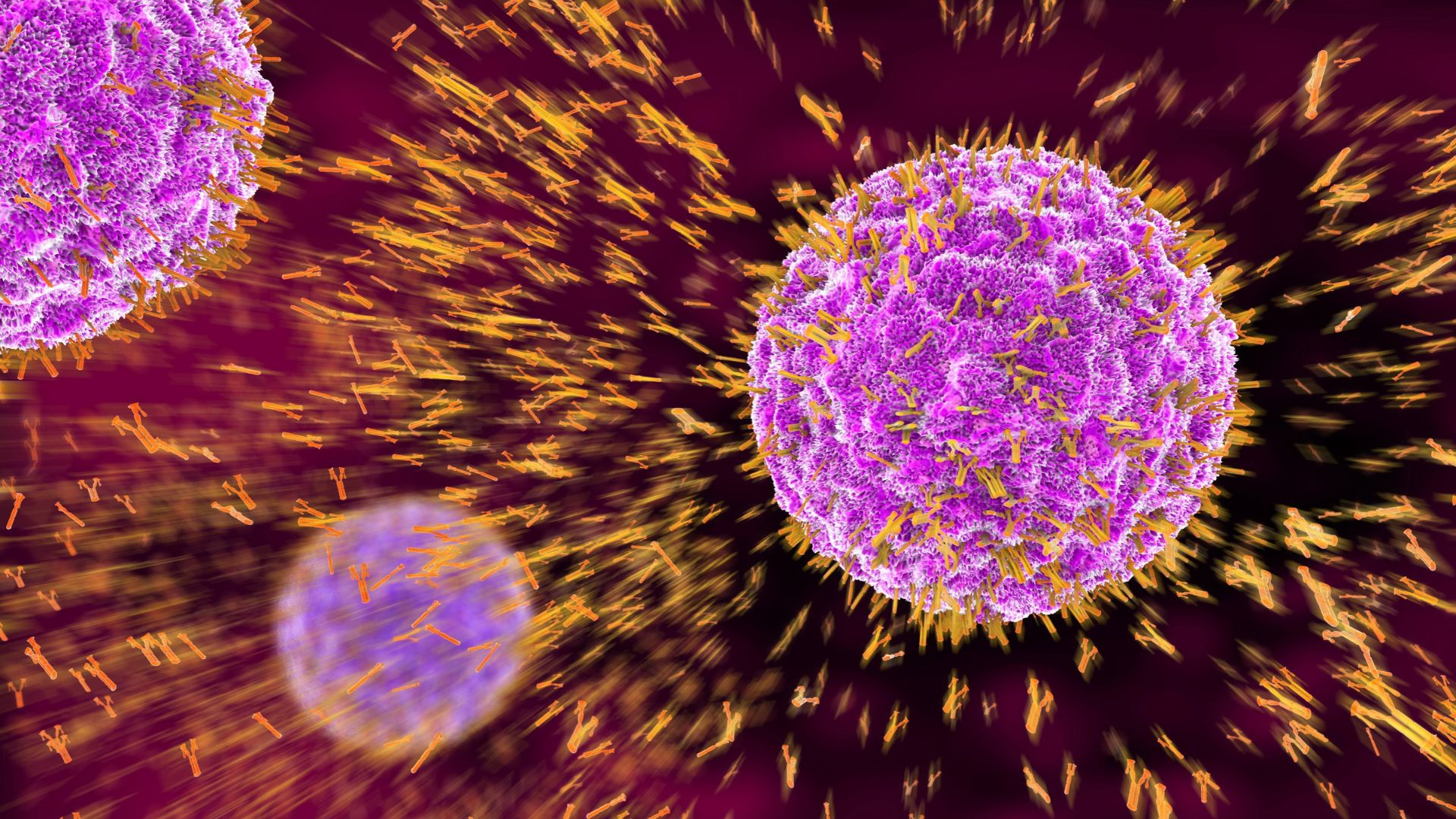
Google researchers have developed a method that speeds up protein structure prediction by 8.6 times, potentially accelerating the discovery of molecules for targeted cancer therapies. The researchers used the approach to design proteins that bind tightly to fibroblast activation protein alpha (FAP), a molecule associated with solid tumors. Such binders could eventually help researchers develop treatments that target cancer-associated tissue more precisely. The results were obtained through laboratory experiments after computationally designing candidate molecules. The work is part of three Google Research projects exploring how artificial intelligence agents can design biological molecules, analyze experimental results and work with laboratory equipment. The projects also demonstrated improvements in DNA molecule discovery and robotic experimentation.Google said the research aims to reduce the time and computational resources required to test biological designs. However, the systems remain experimental, and the protein binders have not been demonstrated as cancer treatments. Faster protein structure predictions Designing a protein that attaches to a specific biological target requires researchers to predict how the molecules fold and interact. This involves generating candidate protein structures, designing sequences, and checking whether the resulting molecules are likely to bind. The final prediction stage can consume substantial computing power, particularly when the target protein is large. Google researchers developed a technique called “surgical epitope excision,” which focuses structural predictions on the local region where a designed protein is expected to attach, rather than processing the entire target. According to Google, the approach accelerated structure prediction by 8.6 times without sacrificing structural accuracy in its tests. The researchers applied the method to FAP, using yeast surface display and fluorescence-activated cell sorting to screen engineered protein candidates. These techniques allow researchers to examine large numbers of protein variants and identify those that bind to a target. The strongest experimentally tested designs achieved single-digit nanomolar binding affinity, indicating a tight molecular interaction. In a separate computational comparison using equal computing resources, a scientist working with an agent achieved nearly twice the predicted hit rate of a scientist working alone. These findings concern early-stage molecular design. The researchers have not established whether the binders can safely or effectively treat cancer. Robots learn from experiments A separate Google project tested whether agents could improve DNA aptamers, short molecules that fold into shapes capable of attaching to specific proteins. Researchers conducted three design-and-testing rounds targeting myoglobin and alpha-thrombin. Each round took seven to 10 days and involved synthesizing DNA candidates, testing their binding behavior and using sequencing results to guide subsequent designs. By the third round, confirmed on-target hit rates reached 33.5 percent for myoglobin and 42.1 percent for alpha-thrombin. The latter achieved 98.5 percent specificity. Google also introduced VERID, a digital laboratory model that tracks robotic equipment, liquid volumes, and experimental materials. It allows agents to simulate procedures and detect potential errors before sending commands to laboratory robots. In one dye-mixing experiment, an agent used repeated robotic tests and camera feedback to improve reconstruction accuracy more than fivefold. The three projects remain separate demonstrations. Google plans to combine its robotic control framework with molecular discovery workflows, with human oversight and biosecurity screening retained throughout the process. Get the latest in engineering, tech, space & science - delivered daily to your inbox.With over a decade-long career in journalism, Neetika Walter has worked with The Economic Times, ANI, and Hindustan Times, covering politics, business, technology, and the clean energy sector. Passionate about contemporary culture, books, poetry, and storytelling, she brings depth and insight to her writing. When she isn’t chasing stories, she’s likely lost in a book or enjoying the company of her dogs.
Google speeds protein structure prediction 8.6-fold to advance targeted cancer research
Full Article
Original Source
Read the full article at Interestingengineering →KhanList aggregates and links to publicly available news content. We do not host full articles from third-party sources. Always verify important information with original sources.