
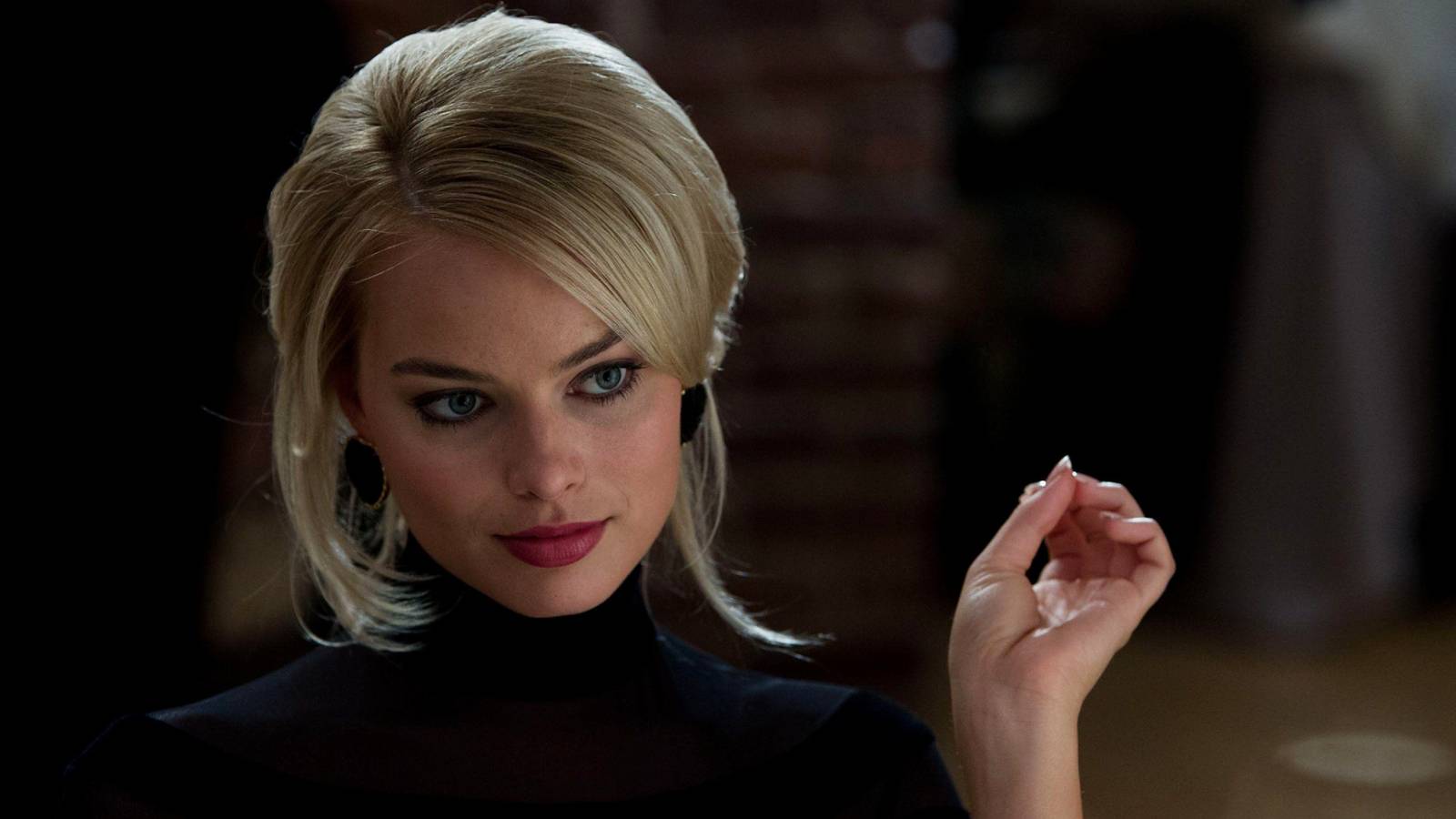
Published Oct 13, 2026, 7:04 AM EDT Anthony Crislip has always loved movies and television, and has been published in outlets such as SlashFilm and Ultimate Classic Rock. While working as a film programmer or judge at a film festival, he has striven to develop interest in underseen films. He is a particular fan of digging deep into forgotten corners of film history. Martin Scorsese has made so many movies set in the world of organized crime that it’s practically mandatory to single out those he’s made that don’t fit into that environment. Movies like Goodfellas, Casino, and The Irishman tell the stories of real criminals in the world of the mafia, often relating their ambitions, insecurities, and desires in the words of the actual people involved. In 2013, he veered away from that subject matter to direct The Wolf of Wall Street, using the template of his previous films to explore the world of white-collar crime. The titular wolf is Jordan Belfort (Leonardo DiCaprio), an investment banker who runs a massive pump-and-dump scheme to effectively con investors out of their money, riding a wave of luxury that puts other Scorsese protagonists to shame. Like Scorsese’s other crime movies, the plot is less the point than the atmosphere and energy of being taken along for the ride. The arc is more or less true to the formula of Goodfellas and Casino, with a glorious and excessive ride to the top followed by a chilling fall from grace, marked with drug-induced paranoia and infidelity. But the other movies had the violence of the mafia to power the stakes, with the threat of it lingering over every scene (usually with Joe Pesci involved). Wolf of Wall Street is set in the straight-laced world of finance, where the violence is practically nonexistent, outside of one scene involving a butler getting nearly tossed off a roof. And in a Scorsese film, a lack of violence also means a lack of consequences, which is maybe the most powerful and infuriating thing about this film. How 'Wolf of Wall Street' Follows The Path That 'Goodfellas' and 'Casino' Laid Image via Paramount Pictures If the formula of Martin Scorsese’s other fourth-wall-breaking crime epics used a mix of rock music, narration, and clever editing to sell the lifestyle of their antiheroes, Wolf does that on an even higher level. Henry Hill (Ray Liotta) of Goodfellas and Ace Rothstein (Robert De Niro) of Casino had nostalgia, justifications, and motivations built into their every line of narration, but Belfort is far less interested in getting you on his side. From the movie’s opening moments, he’s selling the viewer on his lifestyle, talking up his Long Island mansion, beautiful wife, drug use, and drunken helicopter rides. It practically plays like an infomercial compared to Scorsese’s previous movies having the feeling of a memory piece or grand tragedy. Scorsese’s crime epics usually hook the protagonist up with a best friend who enables their worst vices (with some bad ones of their own) and a wronged wife who can’t help but be attracted to the wealth and glamour of the lifestyle. In Wolf, Donnie Azoff (Jonah Hill, who had dreamed of working with Scorsese) and Naomi (Margot Robbie in a breakthrough role) play those parts. And as much as those movies throw viewers into their high-stakes world with thrilling, detailed explanations of the inner workings of the mob, Wolf prefers to blast you with cold calls and grotesque office parties to mark successful milestones, cutting quickly every now and again to something revealing the wretchedness at the core of the characters’ worldview. 'Wolf of Wall Street' Is Unsentimental and Unapologetic When Wolf of Wall Street was released in 2013, the biggest critical mark against it was due to its seeming lack of sympathy for Jordan Belfort’s victims, who were essentially financially wrecked by a con man to fund his hedonistic lifestyle. Like many of Scorsese’s movies prior to Killers of the Flower Moon, the people who suffer due to the criminal actions of the main characters are often presented offscreen, following the director’s credo: “Cinema is a matter of what’s in the frame and what’s out.” Belfort, Azoff, and the hilarious cast of pathetic cronies (including a never-better Jon Bernthal) filling the bullpen of the brokerage firm Stratton Oakmont are what you see in Wolf of Wall Street, keeping their scams running just long enough for the next orgy or line of cocaine. Victims in Wolf seem nonexistent because, from the Stratton Oakmont perspective, they were. Scorsese’s movies are usually very unsentimental, with moments that seem romantic or nostalgic being immediately undercut by a cynical truth about the characters. In Goodfellas, the dreamy slow-motion wedding dance between Henry and Karen (Lorraine Bracco) is followed by a marital argument. Wolf does something similar, with a scene of Jordan’s hilariously tacky wedding gift of a yacht to Naomi immediately cutting to an argument about infidelity. For these characters, any emotional ties to their world are readily sacrificed for the pursuit of material things and money, and despite how ugly that kind of thinking can be, the movie is still endlessly entertaining, and one of Scorsese's best.
'Goodfellas' Meets 'The Big Short' in Margot Robbie's Near-Perfect Streaming Hit
Full Article
Original Source
Read the full article at Collider →KhanList aggregates and links to publicly available news content. We do not host full articles from third-party sources. Always verify important information with original sources.