
Published Nov 7, 2026, 10:48 AM EST Fariba Rezwan is a Lead Editor for the Movie News team. She has been with ScreenRant for nearly five years, with roles ranging from list editor to junior news editor. During that time, Fariba has led coverage for breaking movies and TV news, including Hunger Games, Marvel, and streaming. Additionally, she has actively provided commentary and reactions to the biggest movies and shows on her YouTube channel, The Movieception Show. Sign in to your ScreenRant account The article contains major spoilers for Godzilla Minus Zero.Godzilla Minus Zero unveils a scientific twist. Takashi Yamazaki is back to direct and write the highly anticipated Toho sequel, with even more action and higher stakes. A major plot point is Godzilla crossing paths with King Ghidorah in a fight to the death between two powerful monsters. Interestingly, Noriko (Minami Hamabe) became a key player, as her survival after the Ginza attack resulted in her being exposed to Godzilla's G-cells, which mutated her right neck and caused her eye to turn yellow. In an interview with Inverse, Yamazaki admitted he initially didn't plan for the significance of Noriko's black mark at the end of Godzilla Minus One. Since the idea was to bring her back, "it felt like we needed some kind of reason or justification as to why or how she survived. We had no idea that that was going to play a very pivotal role in the sequel." "That particular scene where we see Noriko and that black mark on her neck was not planned when we were shooting Godzilla Minus One actually. Because in the film she effectively dies, but when bringing her back, it felt like we needed some kind of reason or justification as to why or how she survived. We had no idea that that was going to play a very pivotal role in the sequel." Meanwhile, the filmmaker credits the 1989 movie Godzilla vs. Biollante for conceptualizing the G-cell mutations. In fact, it also plays a key role in that Toho classic, where corporations try to take control of the G-cells. "I want to say in Godzilla vs. Biollante [1989], human cells and Godzilla cells and Biollante cells all merged together to create that kaiju. So I can't take credit for inventing it or going from zero to one." After Godzilla Minus One ended with Noriko alive, but her neck mutating into a mysterious black thing, the sequel reveals that the area mutated into black, scaly skin that resembles Godzilla's own integument. Many survivors were infected with the G-cell mutation, but only Noriko mutated successfully and lived long after the Ginza attack. Rearrange the movies into the correct US release order. As one of the rare survivors, she became pivotal in directing Godzilla to face off against King Ghidorah through Resonane Wave. At one point, her mutation helped the titular kaiju reawaken after a brutal smackdown by the three-headed dragon-like beast. Unfortunately, Noriko's rare mutation has made her a target, as the U.S. military plans to exploit the finding. At the end of Godzilla Minus Zero, she, Koichi (Ryunosuke Kamiki), and their adopted daughter Akiko go into hiding. While the sequel touched on the new concept, it's unclear whether it will be further developed. Even though Minus Zero is expected to become a critical and commercial hit like the 2023 original, Yamazaki is unsure whether he would commit to a third installment, although the chances are "fifty-fifty." Godzilla Minus Zero is now playing in theaters. Release Date November 6, 2026 Runtime 135 minutes Director Takashi Yamazaki Cast Ryunosuke Kamiki Koichi Shikishima Minami Hamabe Noriko Oishi Min Tanaka Kanji Murakami Hidetaka Yoshioka Kenji Noda
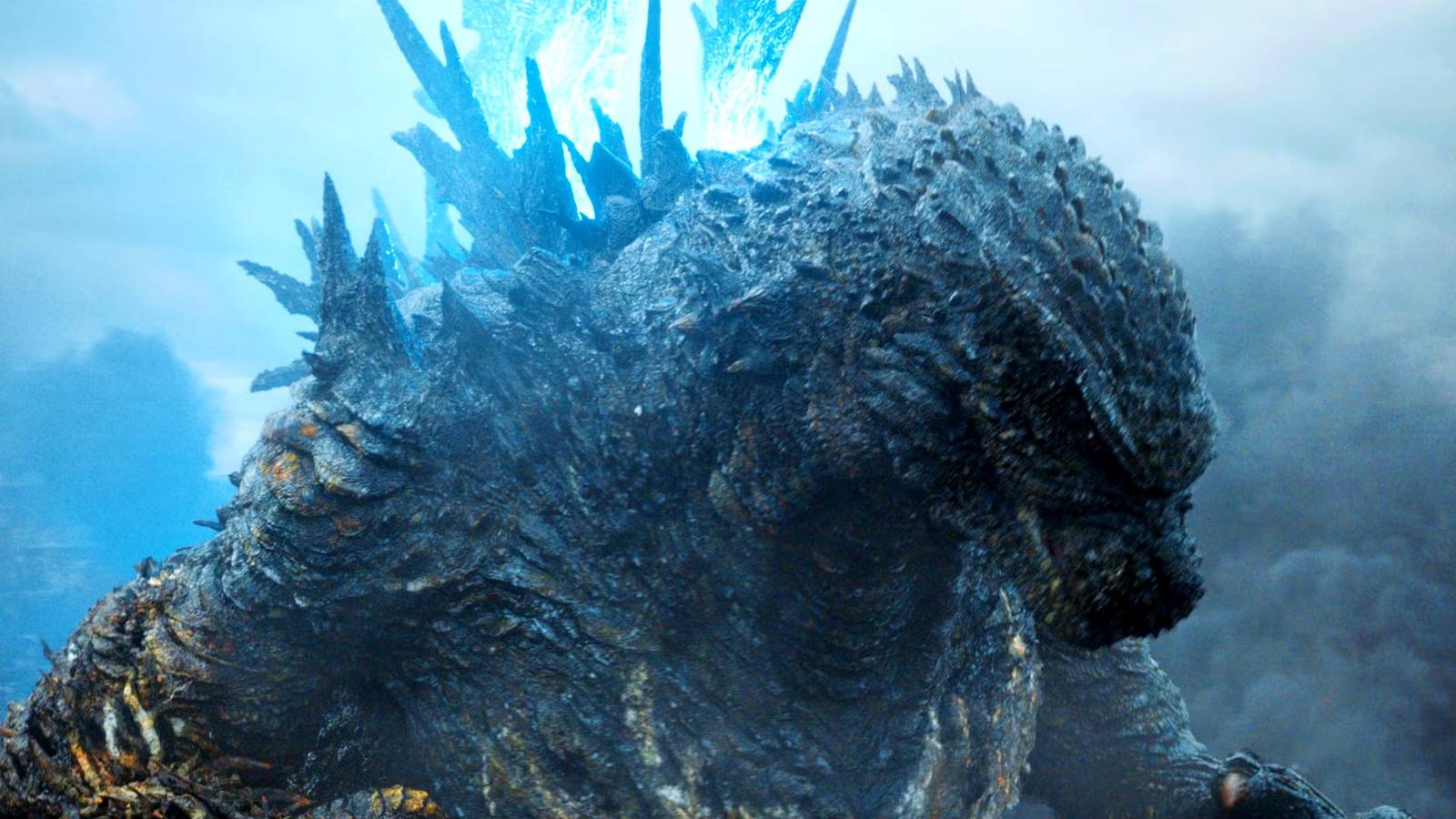
Godzilla Minus Zero's Cell Mutation Twist That Became A Game Changer Officially Addressed By Director
Full Article
Original Source
Read the full article at Screenrant →KhanList aggregates and links to publicly available news content. We do not host full articles from third-party sources. Always verify important information with original sources.