
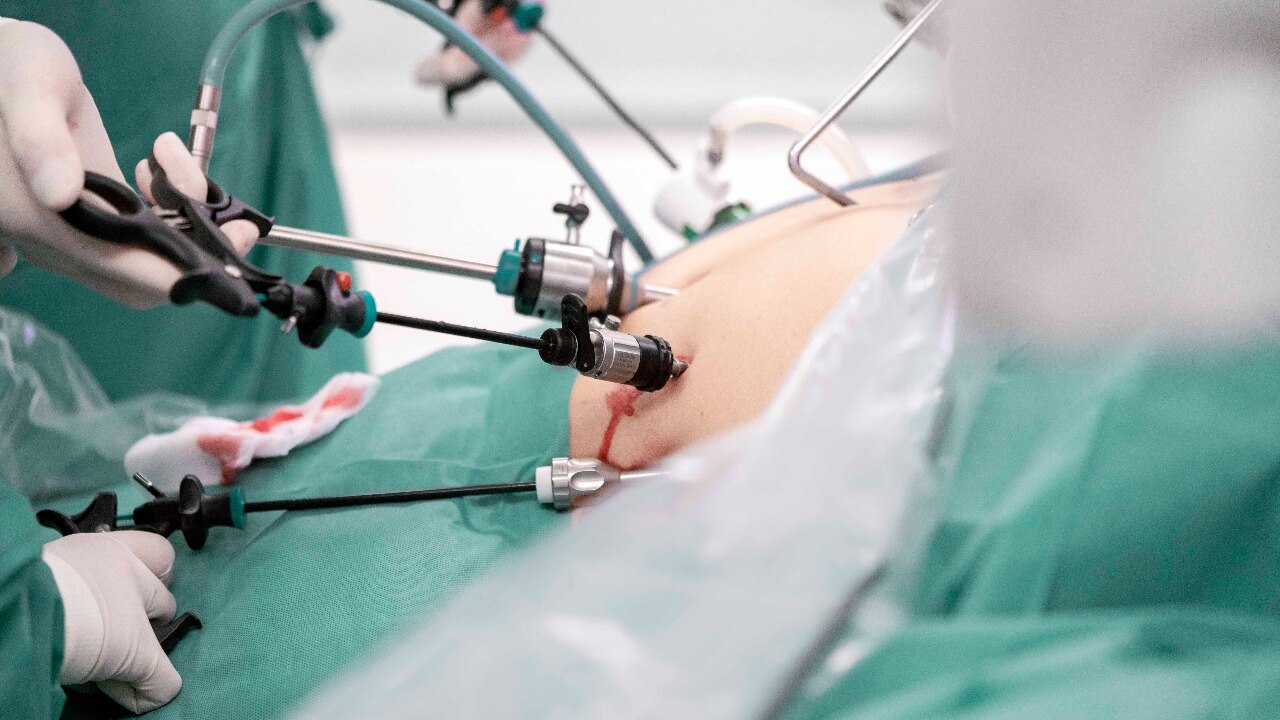
Doctors say GLP-1 medicines are reshaping obesity treatment alongside bariatric surgery. The shift points to more personalised, long-term care rather than a single fix.Surgeons performing bariatric surgery in operating room. Close-up of laparoscopic instruments on stomach of patient in operation theater.Obesity treatment is undergoing a major shift. For years, bariatric surgery was among the most effective options available for people with severe obesity, especially when excess weight was linked to conditions such as type 2 diabetes, high blood pressure or sleep apnoea.The growing use of GLP 1 medicines has changed that conversation.These drugs can reduce appetite, increase feelings of fullness and help patients achieve significant weight loss. For many people, the possibility of managing obesity with medication rather than an operation is an important development.But experts caution against viewing GLP-1 drugs as a replacement for comprehensive obesity care. According to Dr Hetashvi Gondaliya, Diabetes and Endocrinology, CK Birla Hospitals, Jaipur, GLP-1 receptor agonists have "definitely revolutionised" obesity management, but they are not "magic injections".Their success depends on appropriate patient selection, medical assessment, nutrition, physical activity, behavioural changes and regular monitoring.DOES THIS MEAN BARIATRIC SURGERY IS LOSING ITS PLACE? Not necessarily.The rise of GLP-1 medicines does not mean bariatric surgery has become outdated. Instead, doctors now have more tools to choose from when treating obesity.The right treatment depends on several factors, including the severity of obesity, existing health conditions, previous attempts at weight loss and how an individual responds to treatment.For some patients, GLP-1 medicines may provide meaningful weight loss and improve metabolic health without surgery. For others, particularly those with severe obesity and significant obesity-related complications, bariatric surgery may continue to be an important treatment option.The question, therefore, is not simply whether injections will replace surgery. It is about determining which treatment is appropriate for which patient.GLP 1 MEDICINES ARE NOT A QUICK FIXThe growing popularity of these drugs has also created a risk of oversimplifying obesity treatment.A patient may receive a prescription and assume that the medicine alone will solve the problem. But obesity is a chronic and relapsing disease, and the factors behind weight gain can be complex.Dr Gondaliya points out that obesity can be linked to endocrine disorders, insulin resistance, medicines, sleep disorders, genetics, psychological factors and lifestyle.This makes individual assessment important before starting treatment.Experts also caution that weight can return after medication is stopped, particularly when the underlying factors contributing to obesity have not been addressed. The supplied expert input similarly stresses the importance of nutrition, physical activity, behavioural support and regular follow-up alongside GLP 1 treatment.WHEN CAN BARIATRIC SURGERY STILL MAKE SENSE?Bariatric surgery remains an option for selected patients with severe obesity, particularly when excess weight is accompanied by serious health complications.Unlike medication, surgery physically changes the digestive system and can produce substantial and sustained weight loss in appropriately selected patients.However, surgery is also not a one-time solution.Patients still require long-term follow-up, nutritional support and lifestyle changes after an operation. This means that the fundamental principle remains the same for both approaches: obesity requires continuing care.The growing availability of GLP-1 drugs may allow some patients to consider medication before surgery, while others may still benefit more from surgery based on their individual clinical profile.THE BIGGER QUESTION IS NOT DRUGS VERSUS SURGERYThe obesity treatment debate can easily become a competition between injections and surgery.But experts say that may be the wrong way to look at it.Obesity is a complex disease with multiple causes and complications. A treatment that works well for one patient may not be the best choice for another.A patient with obesity and diabetes may have different treatment needs from someone with severe sleep apnoea, fatty liver disease or other metabolic complications.This is why treatment decisions need to be personalised rather than based only on how much weight a particular treatment can help someone lose.WHO SHOULD DECIDE WHICH TREATMENT IS RIGHT?Dr Gondaliya says patients should ideally be evaluated by a physician experienced in treating obesity and metabolic disorders, such as an endocrinologist, bariatric physician or obesity medicine specialist.Depending on the patient's needs, the treatment team may also include a dietitian, exercise specialist, psychologist and bariatric surgeon.The supplied expert material similarly recommends looking for centres that treat obesity as a chronic medical condition and provide multidisciplinary care rather than simply offering medicines or surgery.This approach can help doctors understand why a person gained weight, identify related medical conditions and choose the most appropriate treatment.THE FUTURE OF OBESITY CARE MAY INVOLVE BOTHGLP 1 drugs have undoubtedly changed obesity treatment. They have made effective medical weight management more accessible and have given patients an alternative to an operation.But their rise does not automatically mean the end of bariatric surgery.Instead, obesity care may be moving towards a more personalised model in which medicines, surgery, nutrition, exercise and behavioural support are considered as different tools for different patients.The real shift, Dr Gondaliya says, is recognising that obesity needs long-term management rather than treatment as a single event."The right drug can change your life, but the right prescription for long-term management will be the thing that makes a real difference."- EndsPublished By: Smarica PantPublished On: Aug 7, 2026 17:05 IST
GLP-1 drugs change obesity care, but surgery still has a role
Full Article
Original Source
Read the full article at Indiatoday →KhanList aggregates and links to publicly available news content. We do not host full articles from third-party sources. Always verify important information with original sources.