
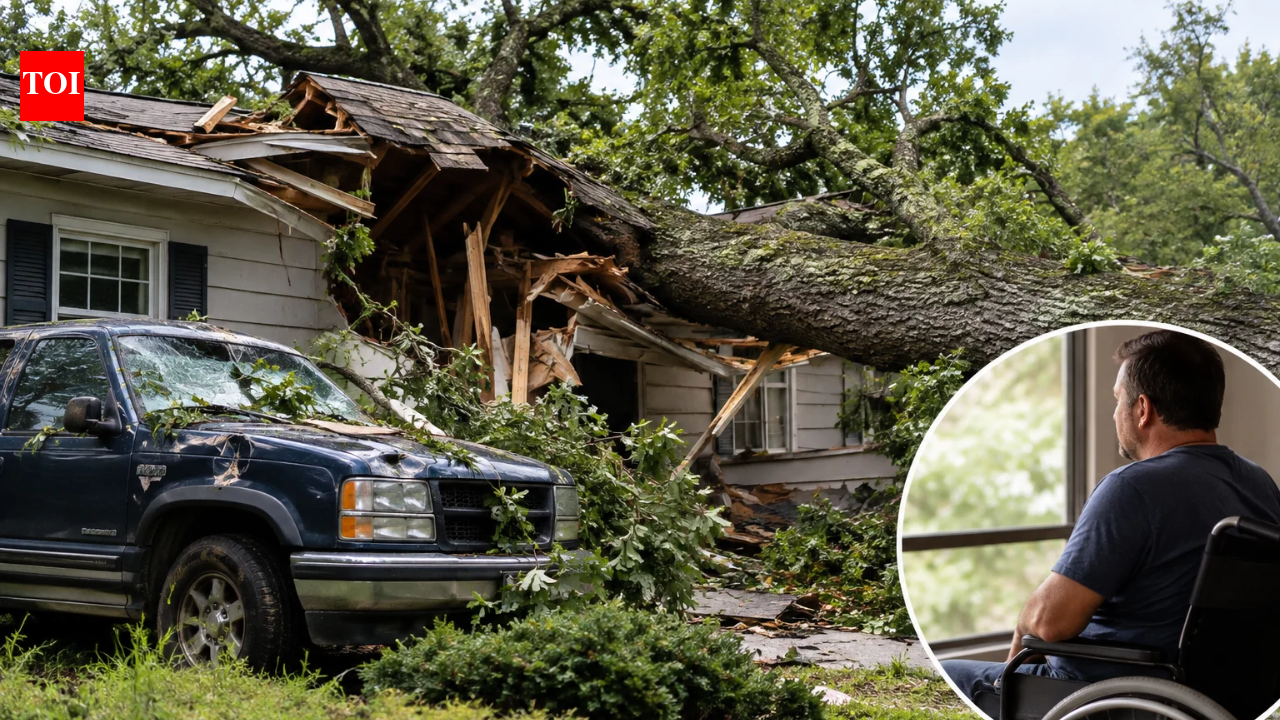
Representative Image (AI-generated)A Georgia renter who suffered permanent paralysis when an ageing oak tree fell on his home has won a significant legal reprieve after an appeals court revived his claims against his landlord. William Frank Jennings said he had repeatedly raised concerns about the tree, which stood on a neighbouring property but extended over the house he rented in Lindale, Georgia. According to the Georgia Court of Appeals ruling published on Justia on October 14, 2026, the trial court was wrong to dismiss his claims through summary judgment because factual questions remained about the landlord’s obligations and response to the reported danger. The decision allows the lawsuit to proceed, but does not establish liability.Repeated warnings about the ageing oak treeThe dispute began after Romulus Investments purchased a residential property at 10 Circle Drive in Lindale on April 2, 2021. Three days later, the company leased the house to Jennings for $650 a month. Next door, an empty lot at 8 Circle Drive contained an oak tree estimated to be more than 80 years old. Although its trunk stood on the neighbouring property, large limbs and branches stretched across the boundary and over Jennings’s rented house.According to the court record, branches fell on the house at least twice after Jennings moved in. In spring 2022, lightning struck the tree, sending another large limb onto his truck and damaging it. Jennings said he had told Christopher Alvey, one of Romulus Investments’ owners, that he believed the tree was decaying, dangerous, and needed inspection. He also said he had raised his concerns with other people at the landlord’s office when he visited to pay rent. According to the court’s account of the evidence, neither Romulus nor Carroll inspected the tree or took steps to address its overhanging branches. However, Alvey testified that Jennings had never notified him or Romulus about the danger. The appeals court said this conflict in the evidence raised a credibility issue that could not be resolved at the summary judgment stage.Tree collapse left tenant permanently paralysedOn July 14, 2022, the oak tree fell onto the rented house, crashing through the roof and trapping Jennings beneath the trunk and debris. Emergency responders arrived, but rescuers needed nearly two hours to free him from the destroyed building. The incident caused a severe spinal cord injury that left him permanently paralysed from the chest down. Jennings subsequently sued Romulus Investments and its two owners, Alvey and Wendell Rhodes, in the Superior Court of Floyd County. His claims included breach of the lease agreement, premises liability, failure to maintain the property in good repair and fit for habitation, and negligence under common law.He also sought compensatory damages, attorney fees and punitive damages. The landlord disputed the claims and sought summary judgment, arguing that the case could be resolved without a trial. The trial court granted that request. After an earlier appeal led to a remand for clarification of the ruling, the lower court again granted summary judgment, prompting Jennings to appeal once more.Why the appeals court revived the claimsThe Georgia Court of Appeals examined whether the landlord could have had a legal duty to respond to a hazard originating on neighbouring land. The lease required Romulus Investments to maintain the property and repair reported problems as soon as possible. It also instructed tenants to notify the landlord immediately about problems and to report known safety hazards. Georgia law also sets out landlords’ repair obligations and certain circumstances in which they may be liable for failing to repair leased premises. The Georgia Court of Appeals considered Sections 44-7-13 and 44-7-14 of the state code in assessing whether Jennings’s claims could proceed.The appellate judges said there was a genuine factual question about whether those obligations covered the danger posed by large branches repeatedly falling onto the rented property. They also rejected the lower court’s conclusion that an implied warranty of habitability could not apply because its express statutory codification took effect after the lease was signed. The court noted that Georgia law had recognised such a warranty before that codification.The judges further found that questions remained under Georgia’s premises-liability law and the statute governing a landlord’s responsibility for keeping leased premises in repair. The fact that the tree’s trunk stood on another property did not automatically resolve whether the landlord had a duty to address the hazard. The opinion also noted conflicting evidence over whether Jennings had notified the landlord, a credibility issue that could not be settled through summary judgment.What the ruling means for the lawsuitThe October 14 decision reversed the trial court’s summary judgment in favour of Romulus Investments and its owners. It also returned the questions of attorney fees and punitive damages to the lower court for further consideration. The ruling does not mean Jennings has won his negligence case or that the landlord has been found legally responsible for his injuries. Instead, it means his claims should not have been dismissed at this stage because material factual disputes remain.The case highlights the legal questions that can arise when a known hazard originates outside a rental property but threatens the safety of the home itself. The next stage will determine whether the evidence establishes liability and whether any damages are warranted.
Georgia renter left paralysed by falling tree gets claims revived by appeals court
Full Article
Original Source
Read the full article at Timesofindia →KhanList aggregates and links to publicly available news content. We do not host full articles from third-party sources. Always verify important information with original sources.