
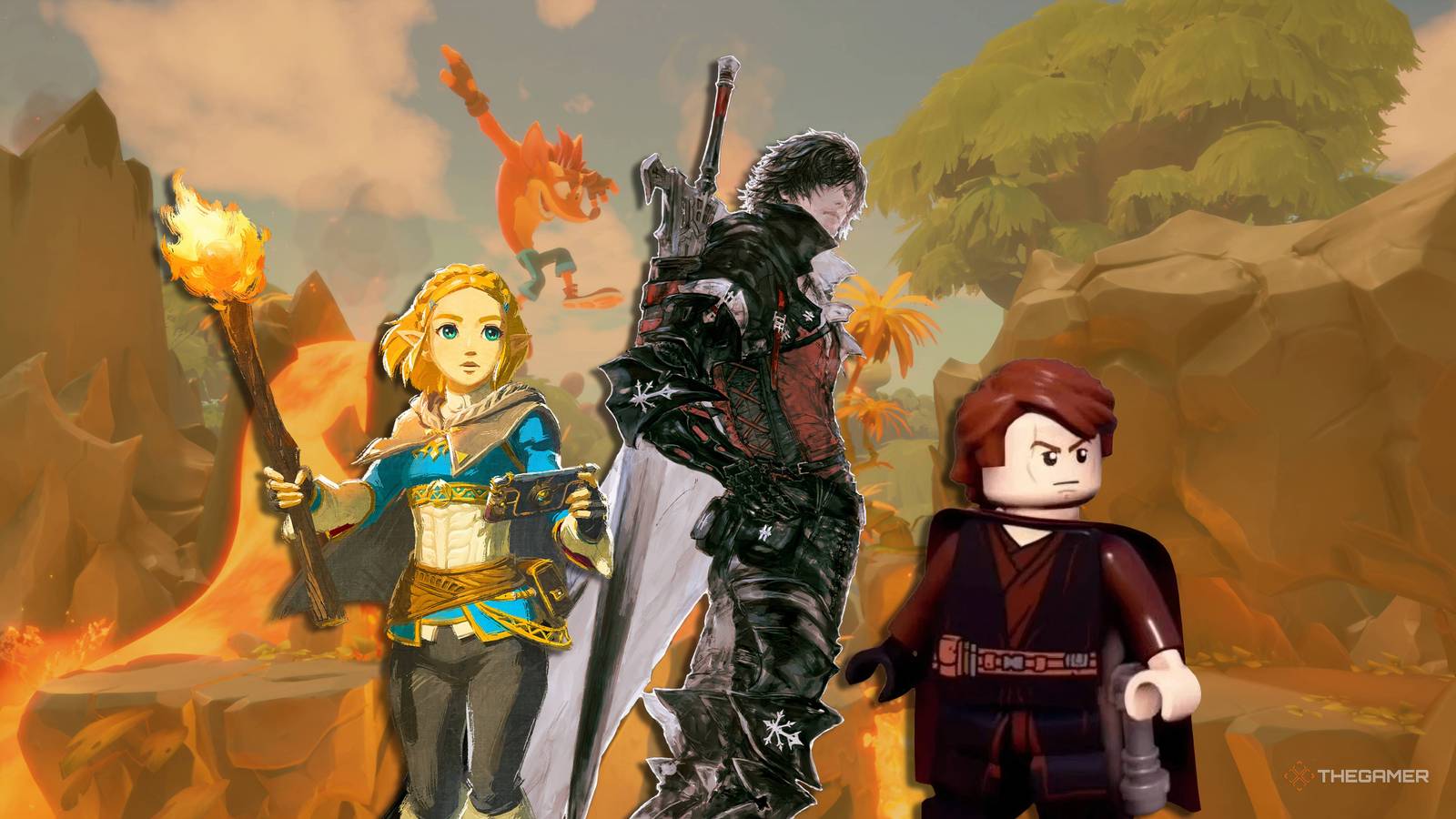
Published Aug 25, 2026, 2:30 PM EDT Ryan Thompson-Bamsey has been an Editor at TheGamer since 2021. He has specialized in RPGs, grand strategy games, and visual novels, reviewing major releases in franchises from Square Enix, Larian Studios, and Paradox Interactive. Ryan has served multiple times on the jury for the Indie Cup awards, and has mentored many emerging writers in the games industry. He has covered some of the biggest releases of recent years, including leading the site's coverage of Baldur's Gate 3, Dragon's Dogma 2, and plenty of other massive RPGs. Somewhere along the line, the number of hours a game takes to finish became shorthand for how good it must be. Bigger maps, more side quests, extra playable characters, and enough collectibles to wallpaper a small house all look lovely on the back of a box, but they don't necessarily make the actual experience any better. In fact, sometimes all that additional content actively gets in the way. Great stories lose momentum, satisfying gameplay loops become chores, and carefully designed worlds disappear beneath layers of busywork. These games aren't necessarily bad—most of them are genuinely brilliant, but they'd all benefit from somebody having the courage to say enough. Final Fantasy 7 Rebirth There are moments in Final Fantasy 7 Rebirth that understand exactly what made the original special. Then Chadley rings again, and suddenly you're scanning another lifespring instead of spending time with the characters you actually came here to see. Saying that, I do like Chadley. I am a Chadley defender to the bones. He's funny. He's just very persistent. Each region arrives with its own checklist of towers, combat challenges, summons, and minigames, and even the main story struggles to resist a diversion. The result is an excellent RPG stretched so thin that its strongest moments have to fight their way through hours of padding. Yes, Queen's Blood is brilliant. That doesn't mean everything else gets a pass. Crimson Desert Crimson Desert looks like somebody collected every open-world feature from the past decade and refused to throw any of them away. There are puzzles, trading, gambling, camp management, crafting, horse taming, and enough combat mechanics to require their own qualification. Individually, plenty of those ideas are entertaining. Together, they compete so aggressively for your attention that the central adventure rarely has room to establish itself. Kliff's story ends up feeling like an optional extra in his own game, which is quite an achievement when he's supposed to be the reason you're there. Final Fantasy 16 Final Fantasy 16 can put two enormous magical creatures in a fight so spectacular that you briefly forget other games exist. It can also ask Clive, the man currently trying to prevent the apocalypse, to deliver somebody's lunch. It's very FF14-coded, but this isn't an MMO. Some side quests genuinely enrich Valisthea, especially when they explore the lives of Bearers or develop Clive's relationships. The trouble is how many others rely on errands and conversations that stop the story dead, particularly near the finale. When the world is ending, the quest board probably doesn't need restocking. Assassin's Creed Valhalla Assassin's Creed Valhalla mistakes the sheer number of counties in medieval England for a compelling narrative structure. Eivor's campaign sends you from region to region, forging alliances through story arcs that often feel suspiciously similar to the ones you just completed. These aren't harmless optional distractions, either. Large portions of the regional material are necessary to advance the main story, turning what could have been a focused Viking adventure into an endurance test. By the time you've solved everybody else's political problems, you might struggle to remember what your own were. Dragon Age: Inquisition Dragon Age: Inquisition has brilliant companions, fascinating political tensions, and a genuine talent for making your decisions feel important. It also has the Hinterlands, a location apparently designed to test how many requisitions one person can tolerate before leaving Thedas entirely. Across its enormous zones, collectible hunts, rifts, resource gathering, and minor errands constantly compete with the character-driven storytelling BioWare does best. You can leave the Hinterlands early, of course, but the larger problem follows you. The world is packed with things to do and strangely determined to hide the good ones. Starfield A thousand planets sounds exciting until you land on several of them and realise the universe has hired the same interior decorator. Starfield's procedural sprawl produces enormous quantities of explorable space, but meaningful discovery becomes harder to find within it. The repeated facilities are particularly painful. Finding an abandoned outpost should feel mysterious, not like revisiting a building where you already know the furniture arrangement. Bethesda's previous game worlds thrived on handcrafted encounters and unexpected discoveries; spreading that approach across an entire galaxy mostly demonstrates why some adventures benefit from staying on one planet. Octopath Traveler Octopath Traveler's eight protagonists are its greatest selling point and the source of its biggest structural problem. Their individual stories are appealing, but the game repeatedly separates them into self-contained chapters that barely acknowledge the other seven people standing beside them. Instead of one adventure with eight meaningful perspectives, you often get eight smaller adventures competing for attention, with grinding and familiar chapter structures filling the gaps. The sequel improves the connective tissue, but the original remains an excellent example of why adding more protagonists doesn't automatically produce a richer story. The Legend Of Zelda: Tears Of The Kingdom Tears of the Kingdom expands Hyrule upwards, downwards, and sideways, then hands you Ultrahand and invites you to construct a solution to practically everything. It is an extraordinary technical achievement, and also occasionally exhausting. The Depths cover an enormous underground area but struggle to justify their scale, while many sky islands repeat familiar ideas. Building vehicles is wonderful when inspiration strikes and less wonderful when crossing a modest gap becomes an engineering assignment. Breath of the Wild understood the pleasure of simply seeing something interesting and walking towards it. Its sequel sometimes buries that pleasure beneath possibilities. Crash Bandicoot 4: It's About Time Crash Bandicoot 4's actual platforming is excellent, which makes its approach to completion especially frustrating. Finishing a level is only the beginning: there are hidden crates, coloured gems, Flashback Tapes, timeline stages, inverted variants, and relics demanding near-perfect performances. The older games made completion feel like an invitation to master their levels. Crash 4 makes it feel like applying for planning permission. Replaying good stages can be satisfying, but replaying them repeatedly while checking every suspicious corner for one invisible box quickly becomes punishment for enjoying the platforming enough to want more. Lego Star Wars: The Skywalker Saga Covering all nine main Star Wars films sounds like the definitive Lego game, and The Skywalker Saga certainly isn't short on planets, characters, or things to collect. The problem is how much of that abundance comes at the expense of the actual levels. Major film sequences are condensed into brief missions, while sprawling hubs absorb your time with errands, Kyber Bricks, and activities that rarely match the older games' carefully designed co-operative puzzles. It has more Star Wars than you could reasonably ask for, yet somehow less of what made the older Lego Star Wars games feel special.
Games That Prove Bigger Is Not Always Better
Full Article
Original Source
Read the full article at Thegamer →KhanList aggregates and links to publicly available news content. We do not host full articles from third-party sources. Always verify important information with original sources.