
Lucas Gouveia / Android Police Published Oct 16, 2026, 7:05 AM EDT Sanuj is a freelance tech journalist with over six years of experience covering smartphones, wearables, and consumer technology. He currently writes for Android Police, Tom's Guide, Android Central, Android Authority, and Pocket-lint. He has previously contributed to publications like Pocketnow and MakeUseOf. Since the start of 2025 alone, he has tested over 30 smartphones. He has also attended major global trade shows including MWC (2024, 2025, 2026) and IFA (2024, 2025), along with launch events hosted by Google, Samsung, and other leading Android brands. When he's not writing about tech, you'll find him sipping a cup of chai, scrolling Twitter, and reading updates about his favorite football club, Chelsea FC. Feel free to reach out to him via email at sanujb6 [at] gmail [dot] com. Sign in to your Android Police account Samsung could pull a major surprise next year and ditch Qualcomm's Snapdragon 8 Elite Extreme Gen 6 chipset in favor of its own Exynos 2700 for the Galaxy S27 Ultra. With the Galaxy Z Fold 8 series out of the way and Samsung's Android XR-powered Galaxy Glasses launching soon, attention is now turning toward the Galaxy S27 series, which is expected to arrive early next year. We've already seen leaked renders of the Galaxy S27 Ultra suggesting Samsung could take inspiration from Apple's iPhone Pro design with a new horizontal camera module. There are also rumors that Samsung could expand the lineup to four models next year with the Galaxy S27 Pro, which would reportedly bring many of the Ultra's features to a smaller form factor without the S Pen. And now, a new report claims Samsung could make another surprising change by ditching Qualcomm's latest flagship chipset for its own Exynos 2700. According to a report from Seoul Economic Daily, Samsung has reportedly informed Qualcomm that its Snapdragon 8 Elite Extreme Gen 6 chipset hasn't met the company's performance requirements. The report claims Qualcomm's new chips are facing overheating issues and have yet to achieve the thermal stability Samsung expects from its flagship smartphones. According to the publication, the chipset is reportedly running excessively hot and experiencing significant performance throttling under sustained workloads. Samsung has allegedly already raised these concerns with Qualcomm and given the company until the end of October to resolve them. Exynos could return to the Galaxy S Ultra after years away If Qualcomm manages to meet Samsung's performance and thermal requirements, the company will reportedly proceed with the Snapdragon chipset as originally planned. But if those issues aren't resolved, Samsung could instead turn to its own Exynos 2700 for the Galaxy S27 Ultra. The Exynos 2700 is Samsung's latest flagship chipset built on a 2nm process. According to the report, the chip has already outperformed Qualcomm's offering in both computing performance and power efficiency during undisclosed internal tests. If those results hold up, Samsung could have another reason to switch to its own silicon for the Galaxy S27 Ultra. This would also mark a major change in Samsung's recent flagship strategy. The company has largely relied on Qualcomm's Snapdragon chipsets for its Galaxy S Ultra phones over the past few generations, with the Galaxy S22 Ultra being the last Ultra model to feature an Exynos chipset in select markets. Since then, Samsung has stuck with Snapdragon for its Ultra flagships, but the Galaxy S27 Ultra could finally break that tradition if Qualcomm can't resolve the reported overheating problems. There's also a potential financial benefit for Samsung. Using its own Exynos chipset instead of buying Qualcomm's flagship chips could help the company reduce component costs, especially at a time when rising memory prices are already putting pressure on smartphone pricing. That doesn't necessarily mean the Galaxy S27 Ultra would become cheaper, but it could give Samsung some room to avoid an even bigger price increase next year. Of course, nothing is set in stone just yet, as a lot could change before the launch next year. But if this report turns out to be accurate, we could finally see an Exynos-powered Galaxy S Ultra again after several years.
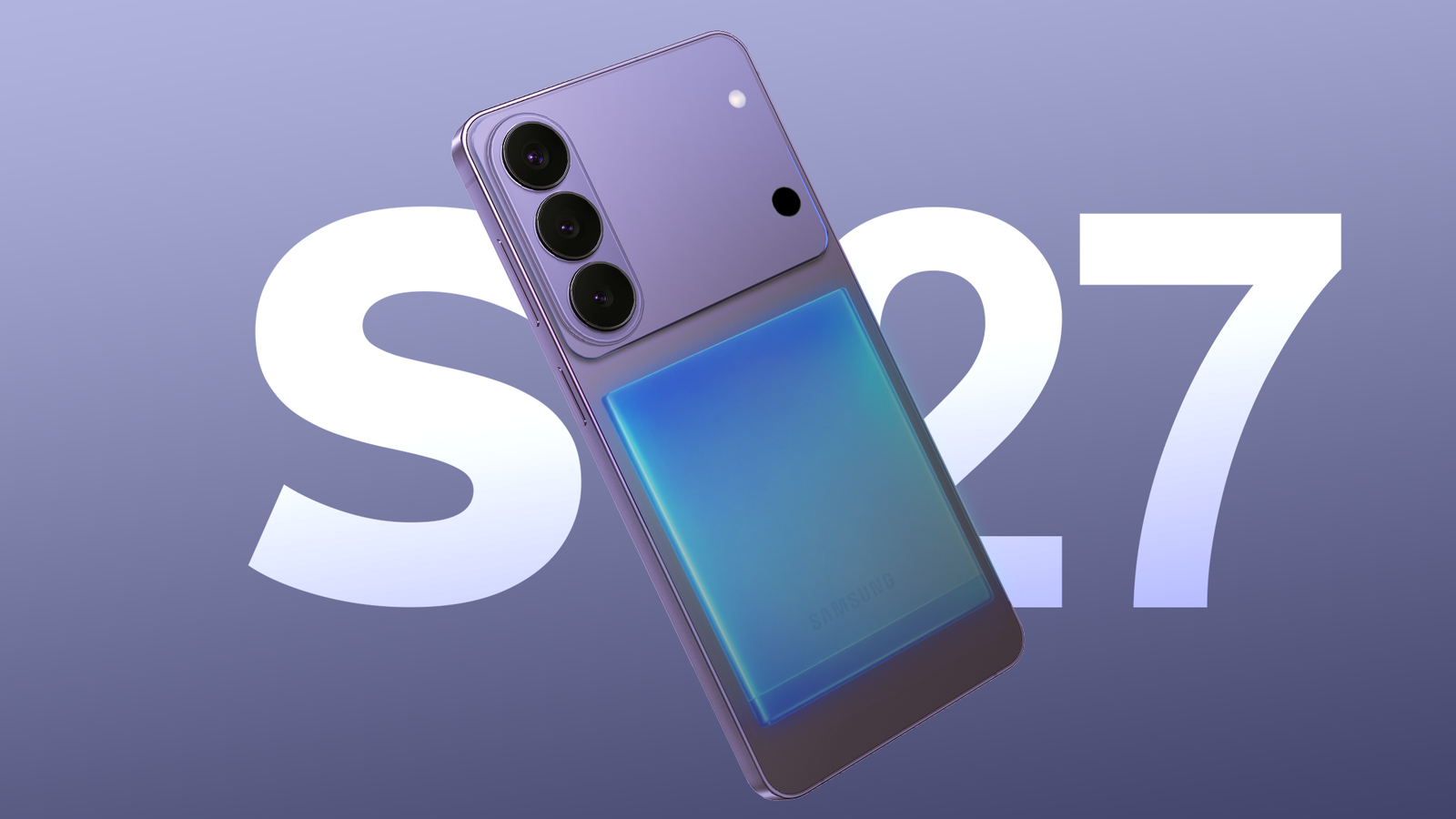
Galaxy S27 Ultra could ditch Snapdragon after Qualcomm reportedly fails Samsung's tests
Full Article
Original Source
Read the full article at Androidpolice →KhanList aggregates and links to publicly available news content. We do not host full articles from third-party sources. Always verify important information with original sources.