
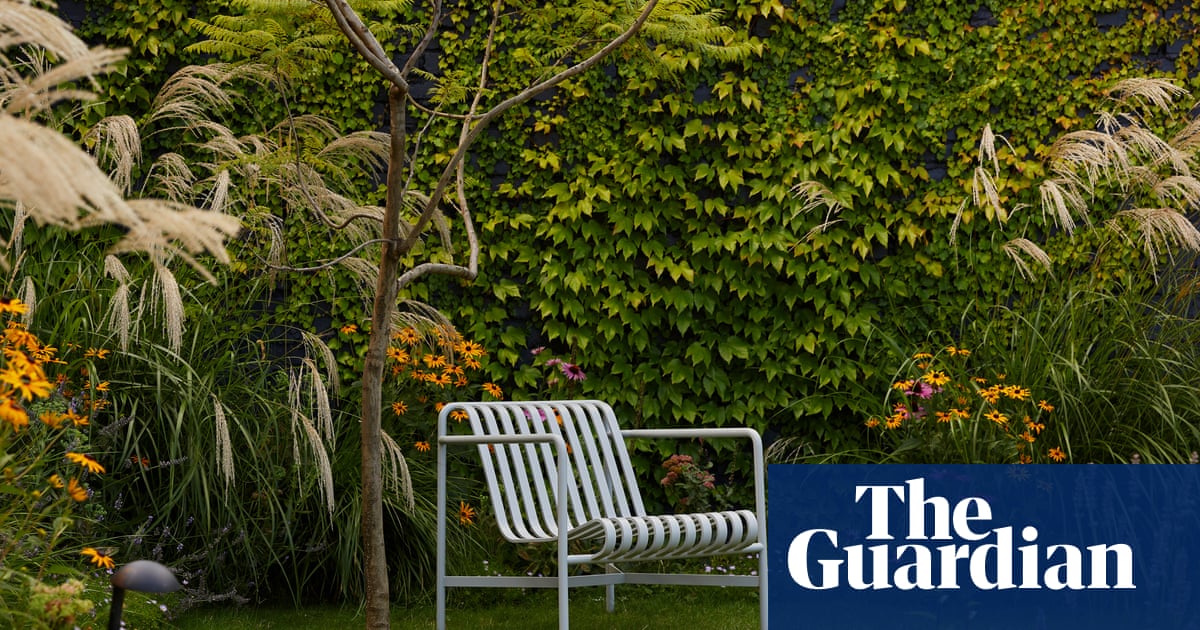
Skip to main contentSkip to navigationThe 20 best residential gardens have been revealed in the first-ever Landscape Australia awards shortlist. Jury chair Emily Wong said each project was a response to urgent issues like the climate crisis, fire and flood resilience, and the loss of biodiversity. They saw gardens as ‘part of a larger living commons that supports different ecologies and also … the future of Australian cities’. Wong also noted that private gardens take up a large quantity of space in Australian cities. ‘So really, these gardens are about seeing the design as a contribution to shared infrastructure’Heartbeat House by Saint Remy in Victoria. Photograph: Martina GemmolaSaddleback Mountain Farmstead by Bates Holmes in NSWA ha-ha wall with a low sunken ditch was created at the garden’s edge on this working cattle farm, maintaining a place to relax and enjoy the property’s unobstructed coastal views while creating a separate space for cattle to graze. Mature trees were also relocated to help differentiate the two areas. Photograph: Zella Casey BrownSurry Hills Village by Aspect Studios, SJB and Studio Prineas in NSWA network of laneways and communal parks opens up a former inward-facing retail box, creating a walkable neighbourhood centre. Rooftop gardens and native flora such as tulipwood were planted throughout to reduce urban heat.Photograph: Tom RoeWildwood by Svalbe and Co in WAA carpet of thyme surrounds a central gathering nook for this bushland retreat. The herb is hardy and when stood on it releases a calming aroma. It has also dramatically reduced the garden’s water usage.Photograph: Peggy VoirSaltbush on the Bellarine by Phillip Withers in VictoriaOriginally an award-winning exhibition garden, this project was relocated to a home in east Geelong. Recycled crushed brick was used to create pathways that fit the practical requirements of a family garden, and the plantings changed to reflect the ecological community of the Bellarine peninsula.Photograph: Madeleine BurkeGreybox by Emily Simpson Landscape Architecture in NSWA conventional suburban lawn draws from the coastal wetland that borders this property. Native species found in the local ecosystem, such as banksia integrifolia, informed the planting strategy, cooling the site and restoring habitat at the same time.Photograph: Katherine LuGreybox by Emily Simpson Landscape ArchitectureIn the southern garden, a circular waterhole pool sits among native lawn and remnant vegetation. Photograph: Katherine LuBermagui by Kelly Royle Landscape Architecture in NSWSandy soil and salty winds are challenges for gardens on the coast. To address this, the designers built internal courtyards and a rooftop garden to shield against extreme weather.Photograph: Jack MounseyErindale by Saint Remy in VictoriaEighteen moss white birches and more than 1,100 plants across over 40 species are used in this compact inner-city garden. Photograph: Martina GemmolaErindale by Saint RemyPhotograph: Martina GemmolaThe Winter Garden by Timothy Mitchell Landscape Architecture in VictoriaOnce a tennis court, this 40-year-old concrete slab had a carbon debt of about 30 tonnes of CO2, and the designers wanted the final product to be carbon positive. As a result, they tried to leave as much concrete as they could untouched, reusing it in paving and terraces. The garden is watered entirely by hand, with a drainage design that makes the most of areas where water naturally pools.Photograph: Ann-Maree WinterHeartbeat House by Saint Remy in VictoriaPlanting draws inspiration from impressionist paintings, where ornamental grasses, flowering perennials and layered ground covers not only provide distinct textures, but also food and habitat for pollinators.Photograph: Martina GemmolaThora Property by Bede Brennan and Garden Juju in NSWGumbaynggirr Elders worked with ecologists and specialists to reconnect this 65-hectare degraded farm back to Country. Across five years, this involved: reinstalling forest tracks, repairing creek lines, producing food, regenerating pasture and building infrastructure for ongoing care.Photograph: Samuel HarrisonChalet Road by Simon Ellis Landscape Architects in VictoriaAfter a catastrophic storm, designers decided to embrace the damage and use it as the basis for a new garden. The disturbed soil revealed emerging plant species that the designers utilised, while unearthed rocks were used as terraces around the garden.Photograph: Tim AllenBridgewater Bushland Retreat by Good Batch Co in WAOnly 74% of the landscape is planted in this garden, with the rest comprising gravel pathways to help maximise rainfall infiltration and improve soil health. Photograph: Bianca KateBridgewater Bushland Retreat by Good Batch Co Here there is no line where the garden ends and the bush begins. Working within a bushfire zone, on top of complex site conditions, meant that plant species were carefully chosen for their fire-resilient qualities and adaptability to the site’s varying soil types. Photograph: Bianca KateHubbe Court by Landskap in SARewilded gardens have transformed this Frank Lloyd Wright-inspired home. The biodiversity found by a creek adjacent to the house inspired the front yard, which contains cacti, perennials and jacarandas.Photograph: Anthony BesheerHubbe Court by LandskapA swimming pool sits beneath preserved river red gum trees.Photograph: Anthony BasheerActive House and Garden by Emily Simpson Landscape Architecture in NSWThis family garden is inspired by the surrounding landscape, which is home to the endangered eastern suburbs banksia scrub in Sydney – think woody shrubs and hard sandy soil. Photograph: Hamish McIntoshThe Big Putty Project by Bushy Landscapes in NSWThere was one goal in mind when carrying out this 200-acre project: to retain the character of the existing landscape. To do this, the designers kept all soil disturbed during the construction of the house and redistributed it post-build. Afterwards they employed plant translocation and naturally assistive regeneration techniques to help the landscape return to its natural state.Photograph: Lachlan KainBronte Sandstone by EBLA Studio in NSWDiscovered sandstone flagging, ballast and recycled brick were repurposed into the paving, steps and wall rejuvenation for this garden on a ‘tight budget’. Photograph: Felix MooneramLittle Birch Garden by Bates Holmes in NSWInspired by lush Brazilian gardens, an innovative approach was taken to create a tropical feel. Faced with extreme site constraints, such as soil as shallow as 110mm, the designers utilised a vertical five-layer planting strategy to build the garden’s thickness. Photograph: Jessie AnnThe New Hills Garden by Virginia Kennett Garden Design and SKL Gardens in SADrought-tolerant planting disrupts what is found in a typical Adelaide Hills garden. Towering eucalypts and hardy shrubs like the casuarina ‘green wave’ replaced soft European exotics such as hydrangeas.Photograph: Nathan StolzThe New Hills Garden by Virginia Kennett Garden Design and SKL GardensPhotograph: Nathan StolzKauri Lane by Aspect Studios and RPS in QueenslandSandwiched between four residential towers, 12 mature Kauri pines create a high-canopy forest that blankets a 15-metre gap.Photograph: Yan ChenCarlton Cottage by Jala in VictoriaWith the home located on a historic watercourse, the garden was designed with water absorption in mind. Permeable materials were used throughout and the home’s single sloping roof harvests rainwater that is stored and reused throughout the garden. Ferns act as ‘garden lungs’ encouraging cool air to flow into the house. Photograph: Traianos PakioufakisMore on this storyThe moment I knew: As a reality TV contestant, I was allowed one 15-minute call a week. Even at 3am, Chris would always pick up‘There’s a lot of silence’: have we created a new ‘Lonely Generation’?Why millennial motherhood can feel like rearranging chairs on the TitanicPint-sized gains: the Australian brewers crafting refreshingly sustainable beersMost viewedMost viewed
From urban rooftops to working cattle farms: Australia’s best home gardens – in pictures
Full Article
Original Source
Read the full article at Theguardian →KhanList aggregates and links to publicly available news content. We do not host full articles from third-party sources. Always verify important information with original sources.