
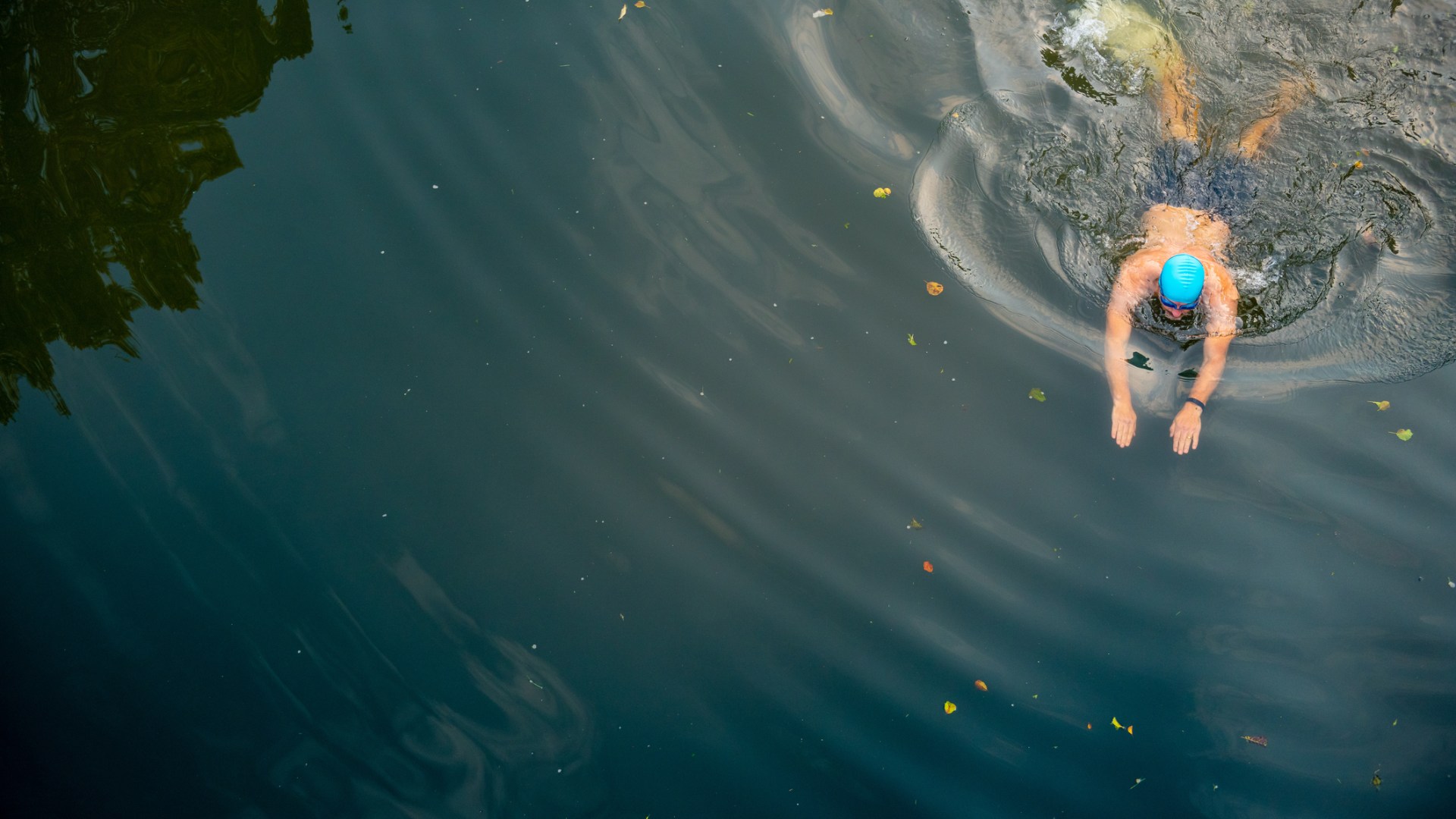
PEOPLE who swim in rivers and lakes are more than twice as likely to develop nasty skin conditions as well as stomach bugs, new research suggests. It comes as two children have been hospitalised after coming into contact with the water at Bournemouth harbour following an E.coli outbreak. People who swim in rivers and lakes are more likely to develop nasty skin conditions and tummy bugs Credit: Getty Two children have been hospitalised after swimming in Bournemouth harbour Credit: BNPS A woman was also left “desperately unwell” and there are now fears others have fallen ill too. The three individuals all came into contact with the water in Christchurch Harbour, which has previously been described as the “toilet bowl of Bournemouth“. Sign up for the Health newsletter Thank you! And now, a new study from the University of East Anglia (UEA) has found that “contamination in freshwater recreational sites” – like rivers and lakes – can lead to illness among swimmers. In an analysis of data from 2,368 people in Hungary, scientists found that “swimmers were more than twice as likely to suffer skin ailments such as rashes, ulcers or itching compared with those who stayed dry”. Professor Paul Hunter, who led the analysis, added: “We also found that the risk of gastrointestinal illness increased as levels of E. coli and other viruses that infect bacteria found in the human gut rose in the water, which is indicative of faecal pollution.” The findings come amid growing public concern over water quality and a boom in open-water swimming. Participants of the trial were randomly assigned to either spend 10 minutes swimming, with at least three full head immersions, or to stay on shore and not enter the water. The swims were done across four freshwater bathing sites in Hungary. Most read in Health While all the sites met European bathing water standards at the time of the trial, scientists still detected an association between higher levels of microbial contamination and sickness. The study found that for each tenfold increase in E. coli concentration, the risk of gastrointestinal illness rose by around 73 per cent. And higher levels of viruses known as somatic coliphages were associated with a 45 per cent increase in risk. The team stressed that these organisms appear to be better indicators of illness risk in rivers and lakes than intestinal enterococci – a bacteria group currently emphasised in some international water-quality guidance. They added that different standards may be required for freshwater and coastal water as bacterial indicators behave differently in the two environments. A particularly interesting finding from the study was that skin complaints increased among swimmers regardless of levels of faecal indicators. Professor Hunter said this could be due to exposure to naturally occurring organisms that aren’t linked to sewage. “One possibility is cercarial dermatitis, commonly known as ‘swimmer’s itch’, which is caused by parasites shed by waterfowl that can penetrate human skin and trigger an itchy rash,” he added. Symptoms of E.coli typically present as severe stomach cramps, diarrhea, nausea and fatigue Credit: Getty Risks of freshwater swimming Without the confines of ropes and lanes it can be an invigorating experience. However, swimming in open water carries different risks to swimming in a pool. Open water swimming can increase the risk of: Gastrointestinal illnesses, or stomach bugs – these may cause diarrhoea and vomiting Respiratory infections Skin infections Ear and eye infections. Most symptoms of these illnesses caused by micro-organisms such as norovirus, giardia and cryptosporidium will generally be mild. But there is also a risk of more severe infection caused by micro-organisms such as E.coli O157 which may cause severe gastrointestinal illness and leptospirosis (Weil’s disease), which can cause liver and kidney problems. Anyone can become unwell from swimming in any open water as there will always be micro-organisms present. The risk of becoming ill depends on various factors: children and novice swimmers are more likely to swallow water accidentally those with an impaired immune system are more susceptible to infection those swimming in rivers and estuaries are more likely to become unwell heavy rainfall can wash harmful bacteria from agricultural land, urban areas and sewage to rivers, seas and bathing waters and affect water quality What’s more, contact with freshwater blue-green algae in the form of blooms and scum can lead to symptoms such as skin rashes, eye irritation, vomiting, diarrhoea, fever, muscle and joint pain. Toxins produced by freshwater blue-green algal blooms are poisonous to wild and domestic animals and can cause severe illness and death. Blue-green algal blooms and scum are not always toxic. However, it is not possible to tell from their appearance whether they are harmful. Source: UK Health Security Agency “Agricultural or industrial contaminants may also play a role.” He also noted that these findings were consistent with a previous study in Germany, suggesting that the relationships identified are “generalisable and likely applicable in UK waters”. Professor Hunter concluded: “But it is important to remember that the rates of illness were relatively low overall and most illnesses were mild and short lived. “Just over two per cent of participants developed gastrointestinal illness and a similar proportion experienced skin ailments. Respiratory, ear and eye infections were rare.” Nevertheless, the team concluded that higher concentrations of E. coli and related indicators were clearly associated with greater risks of stomach illness, providing evidence that monitoring these microbes remains important for protecting public health. These findings come amid an E.coli outbreak in Christchurch Harbour in Bournemouth. One of the children in hospital had been paddleboarding with a cut on their foot. The woman who was ill was a member of the local rowing club and linked her sickness to the water. Martin Stewart, chairman of the Christchurch Harbour & Marine Society, a group of volunteers who monitor the water quality, said: “It is a serious situation, somebody is going to die from this.” An Environment Agency spokesperson said: “Our officers are out taking samples and checking the performance of Wessex Water assets after a reported pollution incident at Christchurch Harbour. Comment now
From tummy bugs to parasitic skin rashes – risks of swimming in ‘safe’ water as two kids hospitalised in seaside town
Full Article
Original Source
Read the full article at Thesun →KhanList aggregates and links to publicly available news content. We do not host full articles from third-party sources. Always verify important information with original sources.