
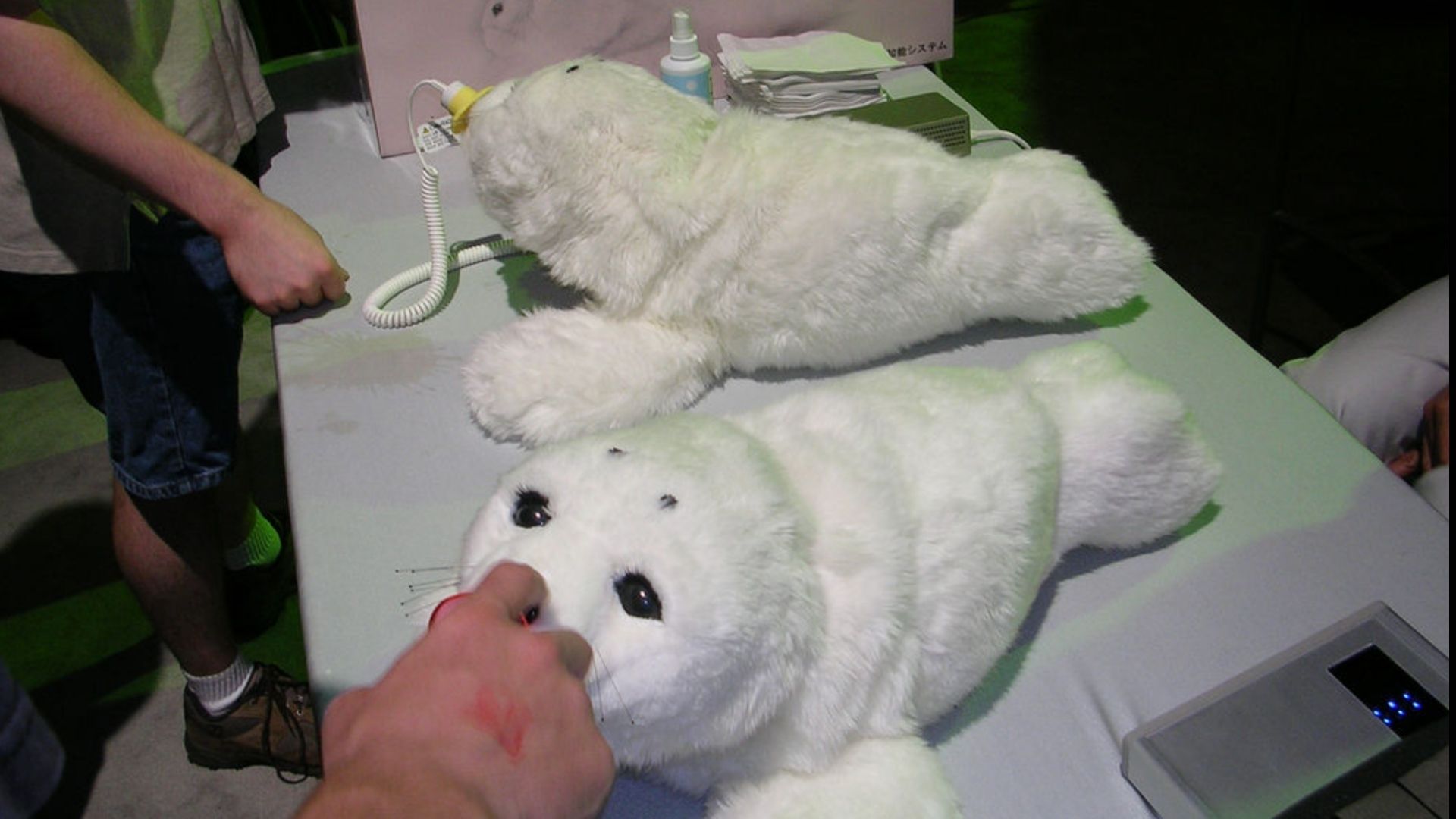
For decades, the idea of a robot working inside an operating room belonged more to science fiction than medicine. That has changed quietly, with robots now performing important roles in operating rooms, hospital wards, rehabilitation centers, and corridors around the world. Some help surgeons operate with greater precision, while others disinfect rooms, transport supplies, assist patients during rehabilitation, or provide comfort to people who are distressed. Here are five robots already making a difference in healthcare. 1. da Vinci Surgical System Made by Intuitive Surgical, the da Vinci Surgical System is the most widely adopted surgical robot in the world. The system has been approved by the United States Food and Drug Administration since 2000 and is now used across several medical specialties. During an operation, a surgeon controls robotic arms fitted with small instruments while viewing the surgical area through a three-dimensional vision system. The instruments can move with greater flexibility than the human hand, while the system filters out natural hand tremors that could affect delicate movements. Doctors use da Vinci for procedures in urology, gynecology, cardiothoracic surgery, colorectal surgery, and general surgery. 2. Xenex LightStrike Infections acquired inside hospitals remain a serious problem, especially when harmful germs survive on surfaces after a patient leaves a room. The Xenex LightStrike robot was developed to give hospitals another way to deal with this threat. The portable machine uses pulses of full-spectrum ultraviolet light to kill infectious germs inside hospital rooms. It can disinfect an entire room within minutes and does not use chemical cleaning agents during the process. LightStrike has been included in infection control programs at major healthcare facilities, including the Mayo Clinic. Its purpose is to support efforts to reduce hospital-acquired infections and protect both patients and medical staff. Unlike a surgical robot, its work usually takes place away from the patient, but its role can still have a direct effect on patient safety. 3. TUG Hospitals are large facilities in which medications, meals, linens, supplies, and other materials must constantly move between departments. Transporting these items is repetitive and physically demanding work that can take nurses and other employees away from clinical responsibilities. The TUG robot takes over part of this workload by travelling through hospital corridors and delivering goods. It is a self-driving service robot that can navigate the hospital without requiring a person to guide it along every route. Its contribution may appear less dramatic than that of a robot assisting during surgery, but it addresses an important operational problem. 4. Cyberdyne HAL Regaining the ability to walk after a stroke or spinal injury can involve a long and demanding rehabilitation process. Patients may struggle to perform the movements required during physical therapy, which can limit how much they are able to practise. The Cyberdyne Hybrid Assistive Limb, commonly called HAL, is a robotic exoskeleton designed to support patients during rehabilitation. This support can help patients practise walking as part of a structured rehabilitation program. Instead of simply moving the body without the patient’s involvement, HAL responds to the person’s own intention to move. 5. PARO PARO demonstrates that a medical robot does not need to perform surgery or transport equipment to support patient care. Designed as a therapeutic companion, the robot resembles a baby seal and uses soft fur, gentle movements, and responsive sounds to create the calming presence of a living pet. The robot can engage patients who may not respond easily to human interaction. Its movements and squeaks change in response to the person interacting with it, giving caregivers another way to reduce distress and encourage engagement. PARO supplements clinical care rather than replacing human contact. It offers a non-pharmacological option for calming patients without immediately turning to sedation or restraint. A growing role in healthcare Together, these five machines reveal how widely robots are already being used in medicine. Their roles range from precise surgery and infection control to hospital logistics, physical rehabilitation, and therapeutic companionship. The field is continuing to develop. In July 2026, humanoid robots performed live laparoscopic gallbladder removals on a patient for the first time. Medical robots are most valuable when they handle repetitive, precise, or dangerous work while doctors and nurses provide judgment, empathy, and human connection. The question is no longer whether robots will enter healthcare, because they are already there. The real question is how much more they will be able to help. Get the latest in engineering, tech, space & science - delivered daily to your inbox.Atharva is a full-time content writer with a post-graduate degree in media & amp; entertainment and a graduate degree in electronics & telecommunications. He has written in the sports and technology domains respectively. In his leisure time, Atharva loves learning about digital marketing and watching soccer matches. His main goal behind joining Interesting Engineering is to learn more about how the recent technological advancements are helping human beings on both societal and individual levels in their daily lives.
From surgery to therapy: 5 robots changing modern medicine
Full Article
Original Source
Read the full article at Interestingengineering →KhanList aggregates and links to publicly available news content. We do not host full articles from third-party sources. Always verify important information with original sources.