
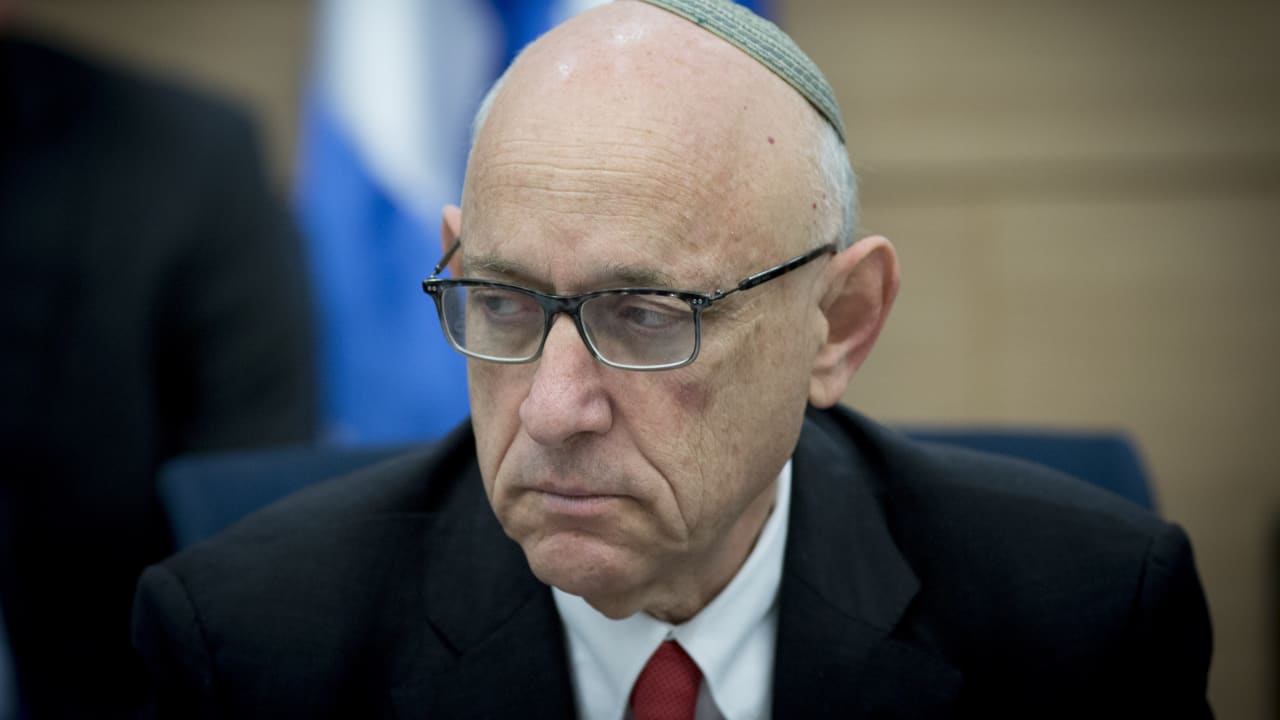
SEPTEMBER 5, 2026 18:22Brig.-Gen. (res.) Prof. Jacob Nagel estimates that six to nine months of sustained economic pressure could create the conditions for an effective popular uprising in Iran during an interview with 103fm.Nagel, a senior fellow at the Foundation for Defense of Democracies (FDD), previously served as national security adviser and head of the National Security Council.He said the US is pursuing a strategy of applying sustained economic pressure on Iran rather than immediately launching further strikes, arguing that Washington is seeking to weaken Tehran by targeting its main sources of revenue."The United States is a superpower that can almost do whatever it wants," Nagel said, adding that the approach is to "choke Iran’s economy, but we will really choke Iran’s economy."At the same time, he acknowledged that Iran continues to export fuel despite the pressure, though he questioned the accuracy of reported figures. "I do not believe the exact numbers, but let’s assume they are exporting half the amount of fuel they exported before the war. Instead of 20 million barrels, 10 million barrels, they are managing," he said.US forces operating in the Strait of Hormuz, July 17, 2026. (credit: Screenshot/X/@PeteHegseth)Nagel argued that the pressure on Iran’s economy is targeting its primary source of revenue and could eventually fuel domestic unrest."They are choking the Iranian economy, including their main source of cash flow, which is fuel that the Iranians are struggling to sell, and Iranian money is about to run out. Inflation is terrible," Nagel said.Expert says economic strain could push Iranians back to streetsHe predicted that prolonged economic pressure could push Iranians back into the streets."With six to nine months of this kind of pressure, I would bet that the people will return to the streets. They will not agree to be without electricity, without water."However, Nagel warned that an uprising would remain difficult due to the regime’s history of suppressing protests."When the public takes to the streets and rebels, either they are shot in the street, or they end up hanging from the gallows," he said. He added that after months of economic pressure, "even the Basij will not want to fight," saying, "I hope the Basij will join the people."Nagel said concerns over Iran’s ability to retaliate are among the reasons the US has so far avoided targeting the country’s energy sector. He said Tehran could still strike US allies in the Gulf, including Saudi Arabia, Bahrain and Qatar."At this stage the Iranians still have enough power to respond," Nagel said.Trump advisers warn against targeting Iran’s energy infrastructureNagel said this is also the view of advisers close to US President Donald Trump, who he said have warned against targeting Iran’s energy infrastructure because of the potential consequences for regional allies and global oil prices."The advisers sitting next to Trump, the advisers who made the agreements: Kushner, Witkoff, and Vance, they tell him: 'This is not good. If we destroy them, they will destroy the energy reserves of Saudi Arabia, Bahrain, Kuwait, and the Emirates, and then the price of oil will be $200 dollars.'"Follow us on Google
Former NSC adviser explains why Iran could face internal upheaval within months - interview
Full Article
Original Source
Read the full article at Jpost →KhanList aggregates and links to publicly available news content. We do not host full articles from third-party sources. Always verify important information with original sources.