
Published Sep 5, 2026, 9:30 AM EDT Marvin is a Features Author for Android Police. His media career began as an editorial assistant at a now-defunct print publication. He has since transitioned to digital media as an editor, attended technology events in over 10 countries, and earned his master's degree in journalism. He enjoys film photography, outdoor running, and alternative coffee brewing during his leisure time. The more I use my phone, the more I realize how little I use mobile browsers. That's because I spend most of my phone time on dedicated apps. I have specific apps for social media and messaging. Banks and booking services require me to use their software, whether I like it or not. My default browser has been relegated to opening links shared in messages and checking Google Search results. Often, I exit the browser and return to the app I came from. This under-reliance on my mobile browser has made me care less about Chrome and Firefox's features. Their mobile apps are becoming more like their desktop equivalents and less like lightweight web readers. In my search for a minimalist browser, I found Firefox Focus. Mozilla advertises it as a stripped-down version of regular Firefox. Oddly, having fewer features made me love it even more. Firefox Focus somehow became my default browser It strips down all the unnecessary fluff I first had to understand how Firefox Focus separates itself from regular Firefox. It offers a deliberately limited interface, showing only the essentials. This means no extensions, cross-platform syncing, or browsing history. Firefox Focus treats every session like it's disposable. Think of it as a permanent incognito mode. Logins and browsing history are erased as soon as you close the app. In case you're wondering: Yes, it blocks ads and trackers. These are turned on by default in the settings menu and don't require extra tinkering. Mozilla decided this was the bare-minimum extension a browser should have. Firefox Focus allows four bookmarks at a time. You can find them only on the startup page each time you open the app. You could enable biometric logins, but this disables screenshots within the browser. You may change the search engine used by the address bar. Google is selected by default, and you can remove it if you choose another search engine. Tabs are present, but they're so basic that you can't multitask on this browser. Even though Firefox Focus doesn't offer integrated password saving, you can still autofill usernames and passwords from dedicated password managers like Bitwarden. After using Firefox Focus for over a week, it became my default browser. I appreciated its simplicity and privacy-focused approach. I didn't long to go back to the cluttered tabs and bookmarks I left in my main Firefox app. I realized that I opened a browser to follow a QR-code menu at a restaurant, visit an article shared on social media, or open a link sent to me through a messenger app. None of these instances needed bookmarks, tab management, or history saving for later. Every other action required its own app, from checking my bank accounts to watching anime on Netflix or YouTube. These dedicated apps had their own histories and notifications. They don't need a separate browser to offload tasks. I learned to rely less on desktop-level features and focus more on whatever tab was in front of me. I have a fresh start whenever I reopen Firefox Focus. I'm not bombarded by the tabs I previously left open. When I'm done with a session, I can go back to the standalone apps that matter. Other browsers are still necessary for certain tasks I don't have to limit myself to a single browser Even though Firefox Focus is now my default browser, it doesn't mean I uninstalled every other browser on my phone. I still use regular Firefox for its extension ecosystem and bookmark syncing between mobile and desktop. I also use Vivaldi for heavy research and trip planning with multiple tabs open at once. I need full-fledged browsers when I'm sure the session will extend beyond a day. It could be as simple as continuing to read a web comic or Wikipedia article. As rare as those cases are, I can't expect Firefox Focus to be my one-and-done browser. My biggest annoyance with Firefox Focus is how search engines react to it. Because every tab is considered private, some search engines ask for a CAPTCHA to verify you're not a bot. You can avoid this with a dedicated search app, but that defeats the purpose of maintaining a session in Firefox Focus. Another minor gripe is the lack of visual customization. Aside from a light or dark mode, there are no settings for colors or transparency. Aesthetically, the app's purple theme doesn't blend well with most of the sites I visit. Mozilla inadvertently created a browser that challenges Firefox's intentions Firefox Focus can become your default browser. It has all the features you need to open links and visit sites privately and without distraction. However, this doesn't mean it should be your only browser. Bookmarks, tab management, and extensions on other browsers are necessary for serious workloads. My setup includes two browsers: Firefox Focus for everyday browsing, and a Chromium-based browser for everything else. Firefox Focus will remain my default browser as long as standalone apps exist for my most important services.
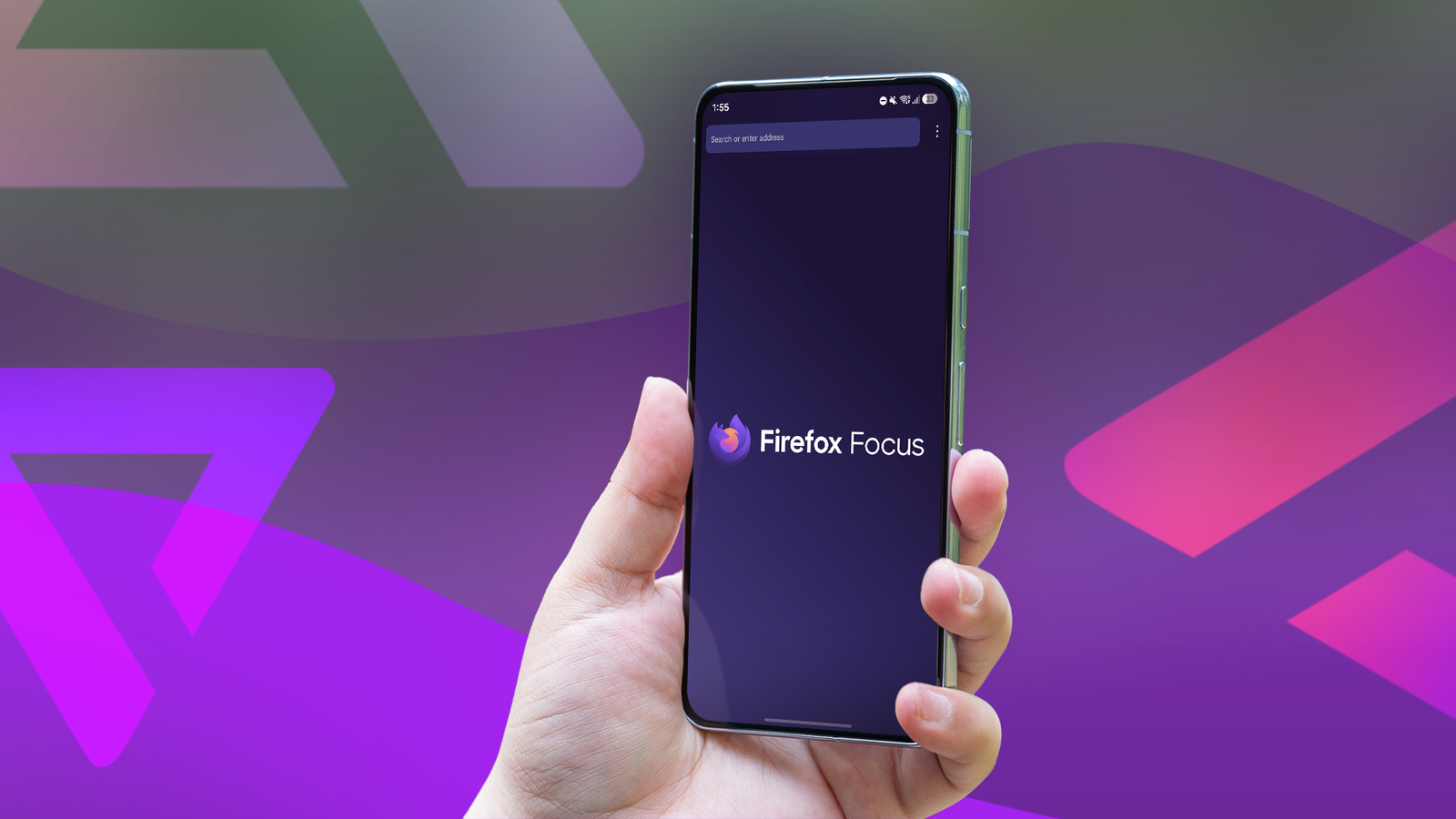
Firefox Focus accidentally became my default browser thanks to its radical simplicity
Full Article
Original Source
Read the full article at Androidpolice →KhanList aggregates and links to publicly available news content. We do not host full articles from third-party sources. Always verify important information with original sources.