
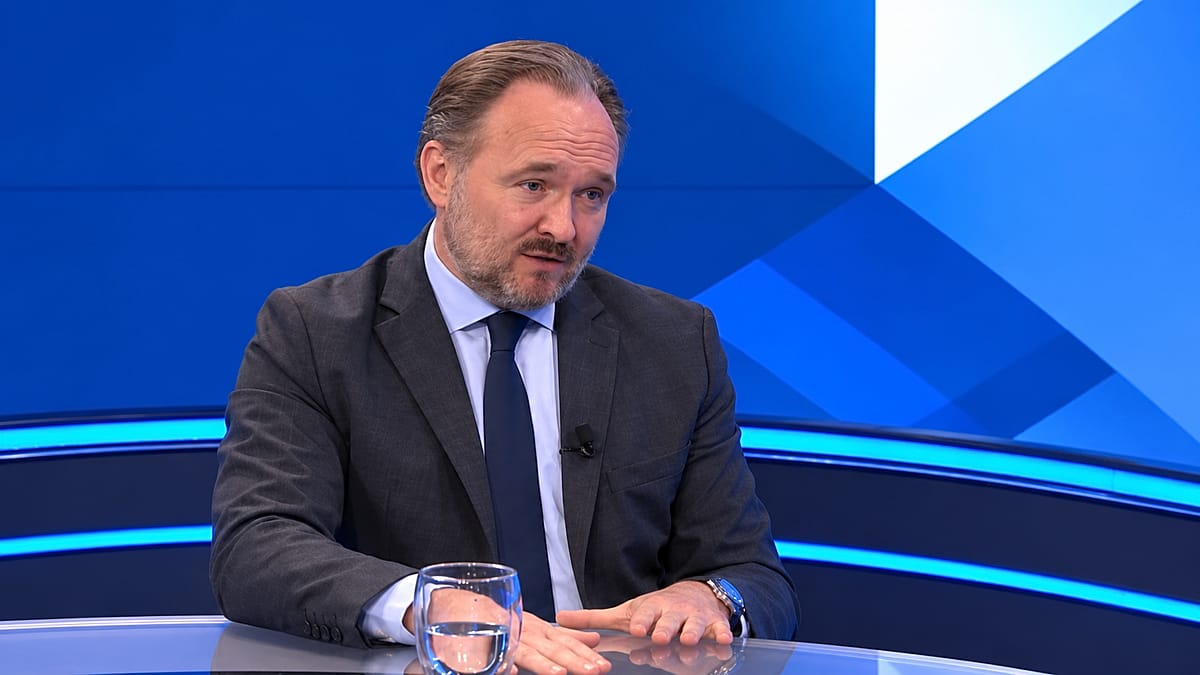
Published on 18 November 2026 - 20:28 GMT+1 Energy Commissioner Dan Jørgensen welcomed the recent deal struck by EU lawmakers on permits for energy infrastructure and clean power, describing it as a major win towards integrating more renewable electricity into Europe's energy system and allowing consumers to switch from gas and oil to electricity. ADVERTISEMENT ADVERTISEMENT Speaking to Euronews' Europe Tonight, Jørgensen explained that getting those permits can take five years or even a decade, making lengthy approval processes one of the biggest hurdles to electrification. The deal struck on Wednesday between the EU co-legislators, the European Parliament and the European Council, seeks to bring those permitsdown to just six months for most projects, a significant push intended to unlock investment and help electricity networks keep pace with growing demand. "This is about making sure that we have the infrastructure to actually electrify our societies, to get the renewable energy into our systems so that we can drive our cars on electricity, we can have heat pumps and so forth," Jørgensen said. Critics argue that faster permits do not automatically mean cheaper electricity, citing the lack of investment in infrastructure and the fact that network expansion will still have to be paid for. EU countries are currently discussing the proposal, which has raised some divergences. Sweden pushed back hard, arguing Brussels would redirect money paid by Swedish power consumers and grid operators to fund electricity grids elsewhere in Europe instead of benefiting Stockholm. Hailing electrification as a new climate doctrine, the Commissioner argued that expanding renewables, improving energy efficiency and connecting national electricity markets would help bring down energy costs. "The main way of bringing down prices is to deploy more renewables, because renewables are cheaper than the fossil alternative," he said. Europe has saved more than €30 billion annually through cross-border electricity connections, Jørgensen added, arguing that the potential for further savings remains much greater. MEP Niels Fuglsang (S&D/Denmark), leading the file in the Parliament, described the deal to speed up the granting of permits as a "very important step". The Danish lawmaker said the agreement will allow for faster rollout of renewables and grid infrastructure, to the benefit of our citizens, to mitigate climate change and to boost the EU's competitiveness. A difficult winter exposes Europe's fossil fuel vulnerability Despite the celebrations in Brussels over the agreement on permits, the Commission's longer-term electrification strategy is unfolding against an immediate energy security challenge. The deal struck on Wednesday won't alleviate energy prices in the short term. With tensions in the Middle East threatening supplies and markets, the energy Commissioner warned that Europeans should not expect energy prices to return quickly to normal, even if the geopolitical situation stabilises. "We don't even know if they will come down. What we do know is that it's a very unstable winter that we are going into (...) We also know that even if there's a normalisation of the situation, it'll take months for the prices to normalise," Jørgensen added. The warning suggests Brussels is preparing for another winter in which households and businesses could face sustained pressure from energy costs, reinforcing the political argument for reducing dependence on imported oil and gas. The Commissioner urged consumers to switch from gas and oil boilers to heat pumps, replace combustion-engine cars with electric vehicles and improve home insulation. "We probably have to prepare, or not probably. We unfortunately, for sure, have to prepare for a difficult winter," Jørgensen said.
Faster electrification is essential for Europe to escape fossil fuel shocks, Jørgensen warns
Full Article
Original Source
Read the full article at Euronews →KhanList aggregates and links to publicly available news content. We do not host full articles from third-party sources. Always verify important information with original sources.