
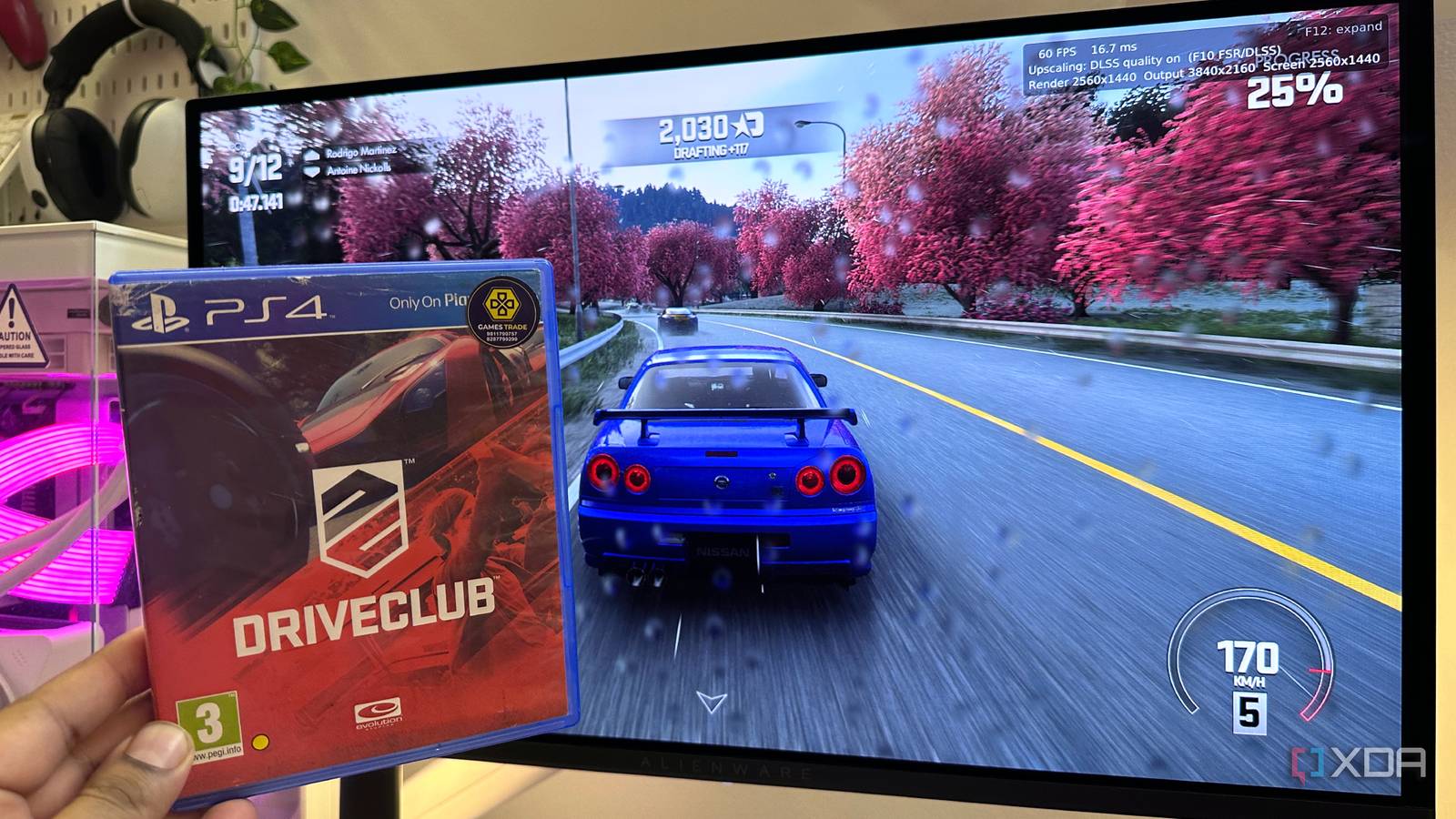
Published Oct 31, 2026, 3:01 PM EDT Gaming has been Samarveer’s greatest passion, and the Literature graduate in him takes immense joy in dissecting games for their themes, messages, and impact. Samarveer holds a deep appreciation of gaming, and considers the platform to be the most immersive and impactful across all media. He can be found engaging with gaming communities online, always ready to debate the finer points of ray tracing or itching to write an 8-page collegiate thesis on any game that impacts him emotionally. The video game industry has a rather embarrassing problem today. Publishers routinely abandon beloved games, leaving them stranded on aging consoles with no support or updates, and sometimes no legitimate way to play them at all. The most exciting efforts to preserve and modernize these games are coming from enthusiasts, working on fan-made decompilation and recompilation projects. Thanks to AI-assisted coding, the frequency of such decomp projects has grown tremendously. The best part, though, is that they're adding features that could make official remasters look downright lazy. The more you look at what these enthusiasts are achieving, the harder it becomes to justify why publishers keep leaving so much potential on the table. Decompilations and recompilations are giving forgotten games a second life That first GitHub release is just the beginning It's astonishing to think how we'd collectively resigned ourselves to believing that even the best games of certain generations would remain locked to those generations and the consoles they shipped with. The essence of preservation extends beyond console generations, which is why emulators have been around forever. And yet, when it comes to PC emulation, development is always slow — it takes years for the open-source, community-run emulators like Xenia, RPCS3, and shadPS4 to truly make games playable and enjoyable. In the recent wave of "native" PC decompilation projects, Sony-exclusive titles are clearly hogging the limelight. Without waiting for Sony's blessing, fan-made projects are bringing PlayStation exclusives to PC. Titles like Bloodborne, inFAMOUS Second Son, God of War III Remastered, and Uncharted: The Nathan Drake Collection are now fully playable on PC, from start to finish — a sentence nobody thought they'd hear in 2026. These fan-made ports are better than some official remasters They are adding features that never existed in the first place Bloodborne has, for years, been in the limelight for its emulator progress, receiving 4K resolution patches and a 60fps patch on shadPS4 that made a huge splash. Now its PC port — called bbport — is out, and fan-made forks have already added DLSS, frame-generation, and even experimental ray tracing. Another fork is reportedly trying to add DLSS 5's neural rendering right into the game. Let that sink in — enthusiasts are experimenting with cutting-edge rendering tech in a decade-old PlayStation exclusive that Sony never even bothered giving a 60fps patch for the PS5. Then there's Driveclub — my favorite racing game of all time. When it finally started running on shadPS4 earlier last year (at 30fps, no less), I was excited beyond measure. Today, its PC port has added 4K textures, ray tracing, DLSS 4.5 and FSR 4.1 support. It even goes beyond what a modern-day remaster would bother with — Driveclub's PC port comes with a proper benchmarking tool right inside the launcher. Forza Horizon 2 is another exciting addition to this growing movement, with a fan-made PC port making the beloved racer natively playable beyond its original Xbox ecosystem. The project brings 8K textures, unlocked frame rates, and graphical enhancements that surpass the original Xbox One release, giving this 12-year-old gorgeous open-world racer room to shine on modern hardware. That's the sort of PC-focused functionality that should have been standard in ambitious remasters years ago. The improvements aren't limited to graphics, either. Uncapped frame rates, 60fps patches, and experimental online multiplayer are breathing new life into games whose original servers have long since disappeared. Some implementations remain buggy, but restoring functionality that publishers abandoned is impressive regardless. Not all of these ports are "native," and they're definitely works in progress There's a technical distinction here, but it barely matters Calling this new decompilation projects "finished" would be generous, though, since many are early builds with bugs, missing features, and plenty of rough edges. But that first GitHub release establishes the groundwork, giving other developers something tangible to test, improve, and build upon with their own forks. There's also the matter of whether or not these new wave of projects flooding GitHub are actually the "native PC ports" they claim to be. Among the more recent titles, it's only Hideo Kojima's P.T. (Playable Teaser) that is truly a native PC port. LoreanXavier's port properly rebuilds the game's logic in C++ with its own Vulkan render, before reconstructing the Fox Engine rendering path from the PS4 game's original shaders. It is not emulating a single bit of the game, and that's why it's in a class of its own here. Other games like the God of War III Remastered port, or even Bloodborne's bb-port, are all hybrids, so to speak. The CPU part of these games runs natively, but the GPU calls are all emulated — they use the same video core and shader recompiler as the shadPS4 emulator with a few extra features thrown in. And yet, they are saving hours of busywork and fruitless afternoons that we've all wasted trying to emulate our favorite games on PC. PC ports for console exclusives also remove busywork I used to have four different builds of shadPS4 for separate engines Getting PlayStation exclusives running through shadPS4 used to feel like an unpaid internship in emulator troubleshooting. Bloodborne needed specific builds for 60fps, and broke completely if you updated the emulator. Naughty Dog games like the Uncharted trilogy needed a very specific old release of shadPS4 that actually ran their engine, while subsequent updates failed at it. That wasn't even the biggest problem. Anyone who has tried emulating PS3 or PS4 games on PC will tell you just how many hours they've spent downloading different emulator builds and experimenting with GPU and CPU settings, only to still fail at running a game they own. Some games required disabling readbacks, others needed them enabled, and every compatibility guide had a different checkbox you absolutely had to toggle. You had to set the memory size yourself, while other titles would only work at a 720p rendering resolution. Oh, and after spending hours hunting down emulator builds, tweaking configurations, and following tutorials, you might still find that your particular combination of game files, emulator build, and hardware still refuses to work. The new fan-made ports eliminate much of that nonsense, thankfully. Now, there's just a roughly 100 MB launcher that needs nothing more than your legally obtained files. It handles the complicated setup behind the scenes — less time troubleshooting, more time actually playing. The legal grey area isn't going away Preserving games shouldn't be an uphill battle To avoid "promoting piracy," these ports ask users to dump their own files from their own games, providing only the launchers and ports to translate those files for PC. But let's get one thing straight — asking players to supply their own files doesn't automatically make a fan-made port legal. Attempts to reverse engineer, decompile, and then distribute reconstructed code can raise separate copyright issues. Even if a project never bundles the original game's textures, music, or assets, the legal answer still depends on how it was built, and which jurisdiction you're in. Ports where devs recreate software using specifications instead of copying the original code have a stronger legal footing. But many fan projects don't follow that model, and interoperability exceptions don't allow you to rebuild a company's intellectual property for another platform. Publishers have plenty of legal avenues to challenge projects they believe cross the line. Still, it's difficult to ignore the preservation problem underneath all this. Studios continue to delist games, abandon servers, or leave some rather beloved games stranded on age-old consoles. Enthusiasts are often the only ones trying to keep them playable. They don't automatically have the legal high ground, but neither should the industry pretend that deficiencies in service aren't the reason all of this happens in the first place. Publishers need to stop treating preservation as an afterthought PC gamers have spent decades proving that they'll happily revisit older releases when given the opportunity, provided someone puts in the work to make them accessible. There's an audience for these games, and there's clearly no shortage of enthusiasts willing to serve it. Publishers could treat these projects as a wake-up call instead of another legal headache. Better legacy support, proper PC releases, and continued access to delisted games would go a long way toward earning goodwill. Until then, fans will keep doing what the industry refuses to: giving yesterday's games a future. Bloodborne PC
Fan-made decompilation ports are doing better remasters than the studios that own the games
Full Article
Original Source
Read the full article at Xda-developers →KhanList aggregates and links to publicly available news content. We do not host full articles from third-party sources. Always verify important information with original sources.