
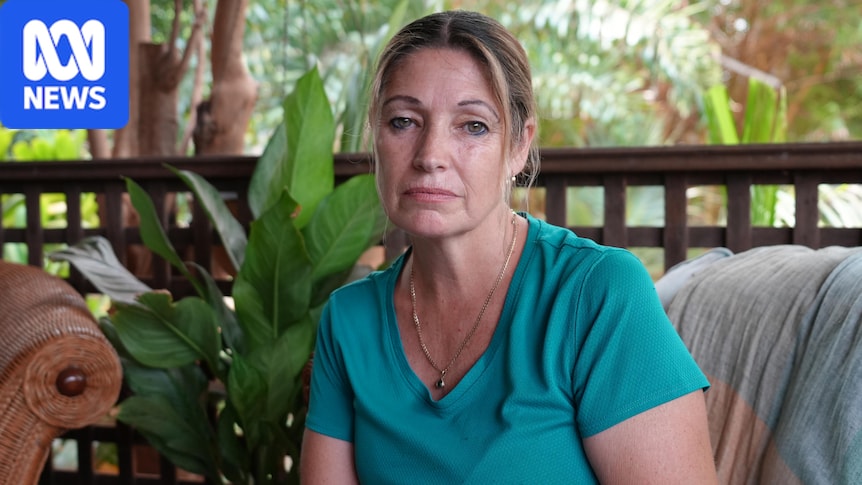
A victim of an alleged social media scam who contributed money after claims of an autistic boy being robbed in Western Australia's north is calling for more regulation and answers. This month, an anonymous Facebook account commented on the Broome community noticeboard, alleging his teenage autistic son was robbed and violently attacked. A user with the name of Greg Sealey later provided bank details in the comments of the post. A screenshot of the anonymous post before it was deleted. (Supplied)WA Police confirmed there was no report of a Broome attack, despite the post claiming the matter had been reported to authorities, who had CCTV footage.The ABC has since discovered similar posts have been made and then deleted by other accounts using the name Greg Sealey on other community noticeboards across the country, ranging from towns in the Northern Territory to South Australia.These posts appear in Google’s meta data.The ABC has not been able to verify whether those alleged thefts occurred. Several attempts have been made to contact the account that goes by the name Greg Sealey.Preyed on good natureBroome woman Shelley Smith said the incident highlighted how unregulated and expansive deceptions could be and called for more action from federal bodies.The Broome noticeboard post prompted more than 400 shares, and several people commented saying they had sent through money."I just happened to be checking through Facebook and saw this post that this fellow had put on about his autistic son having been attacked," Ms Smith said."A lot of people are suffering and the boy's autistic, he needs lots of help with things at times so I thought, 'Why not donate a small amount of money to him?'"Shelley Smith says the government needs to step in and more harshly penalise scammers. (ABC Kimberley: Ruby Littler)After her initial donation of $20, she received a direct message from someone with an account by the name Mr Sealey requesting an additional $70."There were so many people commenting on the post and people wanting to donate he would have had plenty [of money]," Ms Smith said.It was an immediate red flag."Definitely there's not punishment for these people … something needs to be done to protect people," Ms Smith said."Maybe the administrators of noticeboards could check them out before they allow them to post things like that."I guess that's something that needs more discussion and brought up in parliament."The same user posting bank details in the comments, which the ABC has chosen to remove. (Supplied)Ms Smith said the post preyed on the caring nature of the Broome community and it would "make me think twice in the future" before helping people."People have to be diligent themselves … [but] you can't lose your good heart, you still have to be willing to give and help people in times of need," she said.An 'ecosystem' responseMs Smith said there was confusion surrounding how to report such incidents and which jurisdictions were responsible for holding perpetrators to account.Australian Competition and Consumer Commission deputy chair Catriona Lowe said anyone who had experienced a scam online should report the incident to the Scamwatch platform at the National Anti-Scam Centre.Catriona Lowe says scam activity is becoming more sophisticated. (Supplied: ACCC)She said the watchdog was aware difficulty navigating reporting scams was an issue."We also unfortunately hear sometimes they don't get an adequate or any response from platforms when they try and lodge with them," Ms Lowe said.Ms Lowe said the public's behaviour around reporting internet scams varied wildly, with some reporting to their bank, the police, or scam watch services."As logical as it sounds to have one single place where people go, the reality is people behave differently and they seek help in different places," she said."It is an ecosystem response that is required; there are disruption efforts taking place and the National Anti-Scam Centre and the Australian Federal Police are part of those efforts."She said often it could be hard to get consistent messaging across to the broader public, as people only tended to seek the information when applicable.
Facebook scammer targets noticeboards with seemingly fake attack post
Full Article
Original Source
Read the full article at Abc →KhanList aggregates and links to publicly available news content. We do not host full articles from third-party sources. Always verify important information with original sources.