
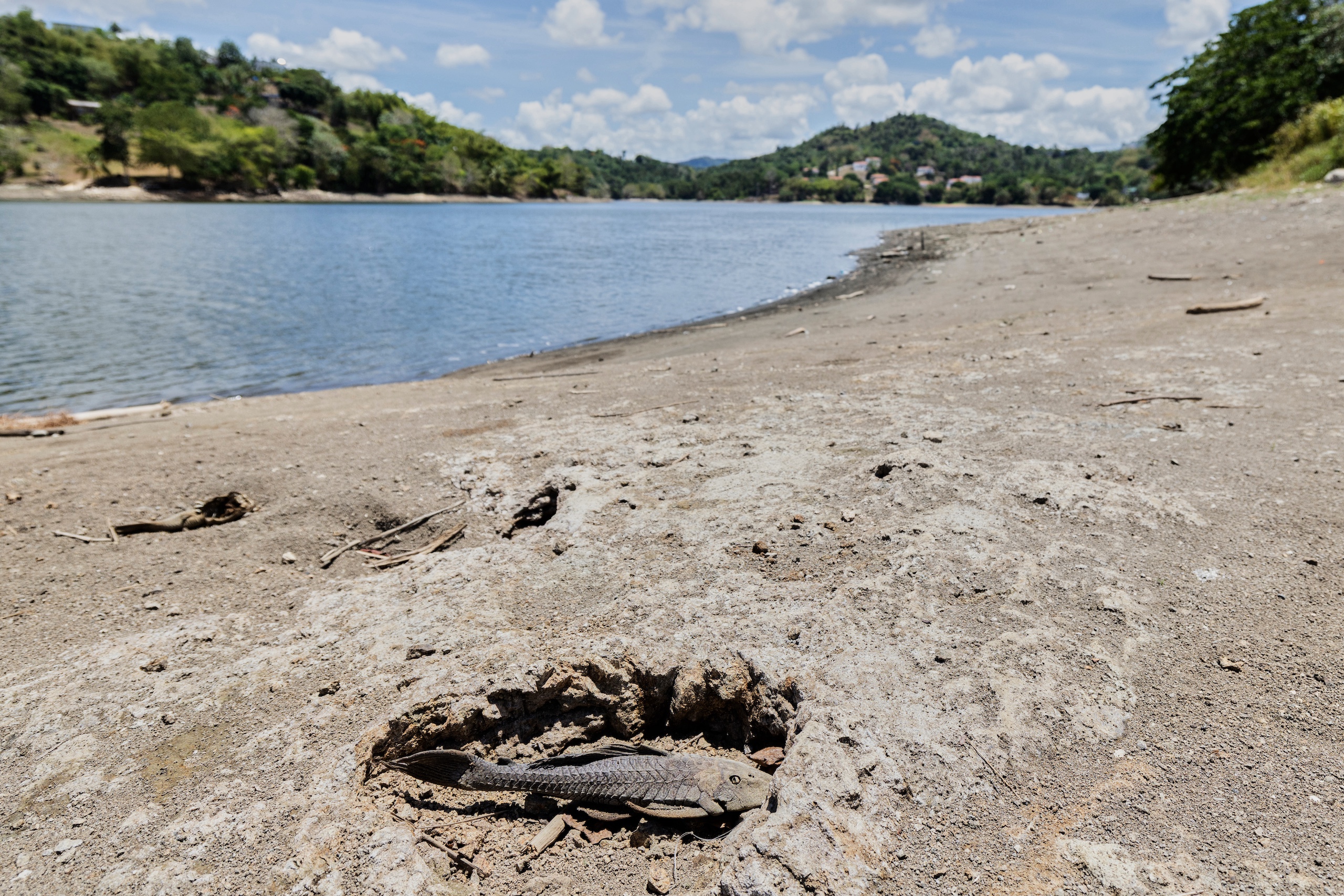
Chinese Academy of Sciences researchers say the global water cycle has entered an “epoch of profound disruption.”(CN) — Global river flows and the amount of water held in lakes and reservoirs declined sharply during two years of exceptional heat, with freshwater resources falling to unprecedented levels in 2023 and 2024, researchers say in a new study published Thursday in Science.River discharge worldwide dropped 5.7% during the period, while active water storage in lakes and reservoirs fell 9.5% compared with the 1991-2020 average. The losses were particularly severe in South America, where river flows fell nearly 18%, even as some areas experienced heavy rainfall and flooding.Led by Yongqiang Zhang, researchers at the Chinese Academy of Sciences examined global freshwater trends from 1991 through 2025, combining measurements from 150 major river basins with satellite observations of more than 1.2 million waterbodies.Their analysis found that river flows and surface water storage fluctuated considerably between 1991 and 2006 before remaining relatively stable through 2022. Both measures then declined sharply in 2023 and 2024. River flows showed signs of rebounding in 2025, but the researchers said the decline during the preceding two years was unprecedented in the historical record they examined.South America was particularly hard hit. Streamflow fell 17.8%, while water held in lakes and reservoirs decreased 16.5%.“The global water cycle has already entered an Anthropocene epoch of profound disruption,” the researchers write.The researchers linked the losses to the combined effects of two ocean climate patterns. El Niño, which develops in the Pacific Ocean, generally reduces rainfall across the Amazon. During the same period, unusually warm conditions in the tropical North Atlantic further disrupted the movement of moisture toward northern South America.That combination intensified the region’s water shortages, even as other areas received enough rain to produce flooding.The findings show extreme heat can coincide with declining freshwater resources even in regions that typically receive abundant rainfall. Scientists have generally expected climate change to bring heavier precipitation to wet areas and increased evaporation in dry ones, but declining river flows and depleted soil moisture point to more complicated changes.Subscribe to our free newslettersOur weekly newsletter Closing Arguments offers the latest about ongoing trials, major litigation and rulings in courthouses around the U.S. and the world, while the monthly Under the Lights dishes the legal dirt from Hollywood, sports, Big Tech and the arts.Additional Reads
Extreme heat coincided with global freshwater decline this year
Full Article
Original Source
Read the full article at Courthousenews →KhanList aggregates and links to publicly available news content. We do not host full articles from third-party sources. Always verify important information with original sources.