
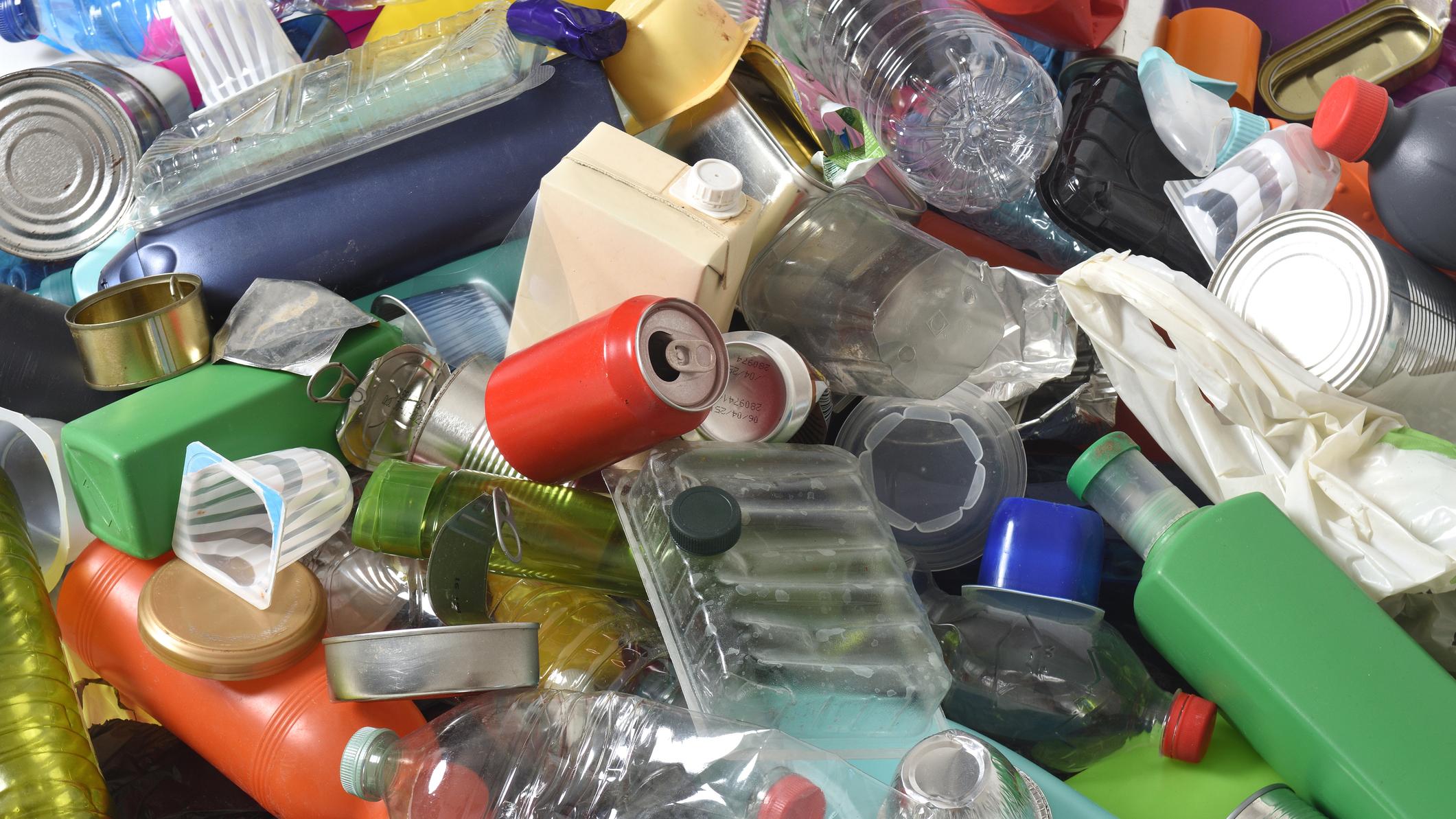
Public confidence and trust in recycling systems is on the decline. While 87% of Americans say recycling is important, only about 32% of household waste is recycled or composted, according to 2025 data. More Americans believe that recycling feels harder today than it did four years ago.But from plastic bottles to cardboard boxes, recycling is important—and has an impact. Recycled materials are key to reducing the extraction of natural materials like timber and aluminum. “It’s a really low-hanging fruit of something that you can do that does have a difference,” says Shelie Miller, professor in the School for Environment and Sustainability at the University of Michigan.Sustainability experts say recycling doesn’t have to be that hard. Here are some of the biggest recycling mistakes people make—and what you should be doing instead. Why is recycling so complicated?What is recyclable varies greatly depending on where you live. “Recycling is unfortunately more complicated than we'd like it to be,” says Miller. “Everybody's recycling rules are going to be slightly different, which is what makes it so hard.”That’s because different recycling plants use different equipment, and so they have different recycling rules. Seven states, including California, Maryland, and Maine, have taken steps to fix that by introducing Extended Producer Responsibility laws aimed at standardizing recycling practices statewide.Until that becomes more widespread across the country, there’s a simple rule you can follow, experts say. “Think about your bottles, cans, and containers that are in your laundry, kitchen, and bathrooms… and paper and cardboard,” says Cody Marshall, chief programs officer at The Recycling Partnership, a nonprofit dedicated to creating a better recycling system. “Those are things that are recyclable.”What should you avoid recycling?Avoid recycling things like plastic bags, which can jam machinery, and batteries, and refrain from bagging your recycling in trash bags. While many plastic products have a recycling symbol with a number in the middle, it doesn’t always mean it can be tossed in the recycling bin. The label simply denotes what kind of plastic it is. In fact, plastic is one the biggest sources of confusion when it comes to recycling. Most places only accept plastics 1 and 2—commonly used to make soda bottles or laundry detergent containers. Some places might accept plastics 4 and 5 (think a yogurt container or plastic straw.) “The rest are not really recyclable at all, and some are really bad to put into the recycling system in practice,” says Jennifer Russell, associate professor of Sustainable Biomaterials at Virginia Tech. Incorrect recycling can cause the machinery to break down, or contaminate the batch, degrading its value. Perhaps surprising to some, however, it turns out it is okay to recycle a greasy pizza box—as long as you eat the last slice. “A little bit of food residue is not a problem,” says Marshall. That’s because processing technologies have gotten better with time, and are now able to handle a small amount of residue. “Just don't throw anything in your container that a raccoon would still want to eat off of.”Meanwhile, if something is compostable, it does not mean it can be recycled. “Compostable and recyclable are two different things,” says Miller. “If you have something that says it's a compostable cup, often that means it's compostable plastic. Compostable plastics can't be recycled, and they have to go into a facility marked as [able to break-down] compostable plastics, if they're actually accepted in your community.” Why you shouldn’t ‘wish-cycle’Refrain from what Russell calls “wish-cycling,” the practice of putting something in the recycling bin and hoping it's recyclable. “People really want to do the right thing and err on the side of caution, and that's just a big problem because recycling systems are designed on the basis of material, not on the basis of product,” says Russell, who notes that incorrect recycling can lead to more harm than good. “Wish-cycling is actually one of the biggest drivers of the high costs of the system. If we were putting just the right materials that are being asked for—aluminum cans, number 1 and number 2 plastics, the systems would have less contamination, less shutdown issues, and the materials coming out the other side would be of much higher value.”Another important change? Cut down on the number of things you buy—and reuse what you can. “Reduce and reuse are two important R's before recycle,” says Marshall. Bring reusable grocery bags when shopping, and consider seeing if there’s a refill or zero-waste store in your neighborhood where you can shop for household items in your own reusable containers rather than single use plastic packaging. These small changes really can make a difference. “That one choice that each of us makes every day to buy or use a single-use option instead of a reusable one, or to put it in the garbage can instead of the recycling one, they aggregate across the millions of people in the country who are making the same decisions every single day,” says Russell. “It’s important to remember that every one of those decisions actually does matter. Making the right decision can be very important if you're trying to make the system better.”
Everyday Recycling Mistakes You're Making—And What You Should Do Instead
Full Article
Original Source
Read the full article at Time →KhanList aggregates and links to publicly available news content. We do not host full articles from third-party sources. Always verify important information with original sources.