
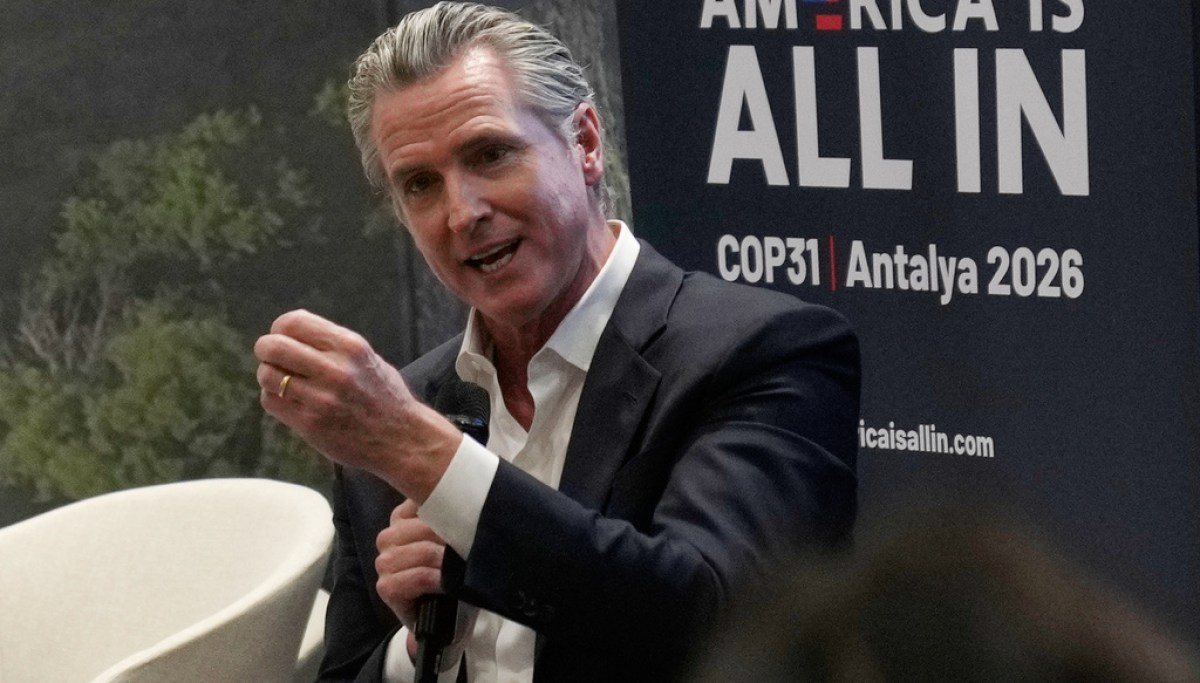
On Nov. 3, 52% of California voters rejected Proposition 40, which would have imposed a one-time 5% tax on the accumulated wealth of taxpayers and trusts with covered assets worth over $1 billion. In coming out against the tax, Gov. Gavin Newsom (D-CA) rightly noted, “Wealth is movable, and it shops for the state with the lowest taxes.”But taxpayers don’t have long to celebrate — threats abound at the federal level. Incoming members of the 120th Congress are eager to act on Newsom’s call for a “national billionaires’ tax,” which he claims will prevent shopping around for a lower tax rate. The truth is that a national tax would generate a massive flight of wealth and talent while failing to deliver projected revenue. Incoming lawmakers must reject this foolish and misguided proposal. Sen. Bernie Sanders (I-VT) and Rep. Ro Khanna (D-CA) have already supplied the blueprint for a destructive and counterproductive wealth tax. Their Make Billionaires Pay Their Fair Share Act would impose a 5% annual levy on billionaires’ wealth. Supporters count 938 affected Americans with a combined $8.2 trillion in assets and project $4.4 trillion in revenue over a decade. That eye-popping estimate widely misses the mark by wrongly assuming lawmakers can repeatedly locate, value, and tax fortunes that fluctuate with markets and business performance. It also fails to consider the vast economic implications of such a tax.Consider a founder whose privately held company is valued at $2 billion. A 5% annual tax on that fortune could mean a $100 million bill, even if the company distributes little cash. Paying might require selling shares or diverting capital from hiring workers or investing in innovation. Unlike a tax on realized income, a wealth tax comes due whether the underlying investment earns a profit or suffers a loss. For entrepreneurs building businesses rather than collecting dividends, that distinction is enormous.The administrative headaches are equally daunting. Publicly traded shares have observable prices, but private businesses, patents, artwork, and closely held partnerships do not. Their valuations invite disputes and years of costly litigation, which would largely be borne by taxpayers. Congress would be asking the Internal Revenue Service to assess complicated holdings annually while policing trusts and cross-border assets. A high statutory rate is meaningless if the taxable base shrinks through (understandable) tax strategies or valuation.International experience offers a stark warning. An OECD review found that 12 member countries imposed recurrent individual net-wealth taxes in 1990, compared with just four in 2017. Governments frequently abandoned them due to profound economic distortions and disappointing revenues (not to mention high implementation costs). The OECD also cautioned that wealth taxes layered atop capital-income and inheritance taxes can be especially difficult to justify.Capital flight is a real and serious consequence of this disastrous policy. An October American Economic Review study using Scandinavian administrative records found that a 1-percentage-point increase in the top wealth-tax rate reduced the stock of wealthy taxpayers by roughly 2%. The researchers found modest aggregate effects on employment and investment, a qualification worth acknowledging. But their evidence still confirms that wealthy households respond to tax incentives by predictably moving across borders.THEY GAVE AI AN IMPOSSIBLE TEST. IT FOUND AN OPEN DOORAnother analysis, published in the American Economic Journal: Economic Policy in 2022, found that a one-percentage-point reduction in a Swiss canton’s wealth-tax rate increased reported taxable wealth by at least 43% over six years. Relocation explained part of that response; changes in asset prices and reporting behavior explained more. For lawmakers eager to bilk billionaires, the lesson is clear: Choices over reporting and investment mean that tax revenue estimates can widely miss the mark.California voters — certainly not the most conservative bunch — have delivered a warning to Washington, D.C. Incoming lawmakers should reject a costly federal tax that would be extraordinarily difficult to enforce and mean fewer jobs and opportunities across the country. The goal should be a tax code that raises dependable revenue while preserving incentives to build, invest, and innovate, not an ill-considered and destructive wealth grab.Ross Marchand is the executive director of the Taxpayers Protection Alliance.
Even Newsom thought California went too far. Washington should take the hint
Full Article
Original Source
Read the full article at Washingtonexaminer →KhanList aggregates and links to publicly available news content. We do not host full articles from third-party sources. Always verify important information with original sources.