
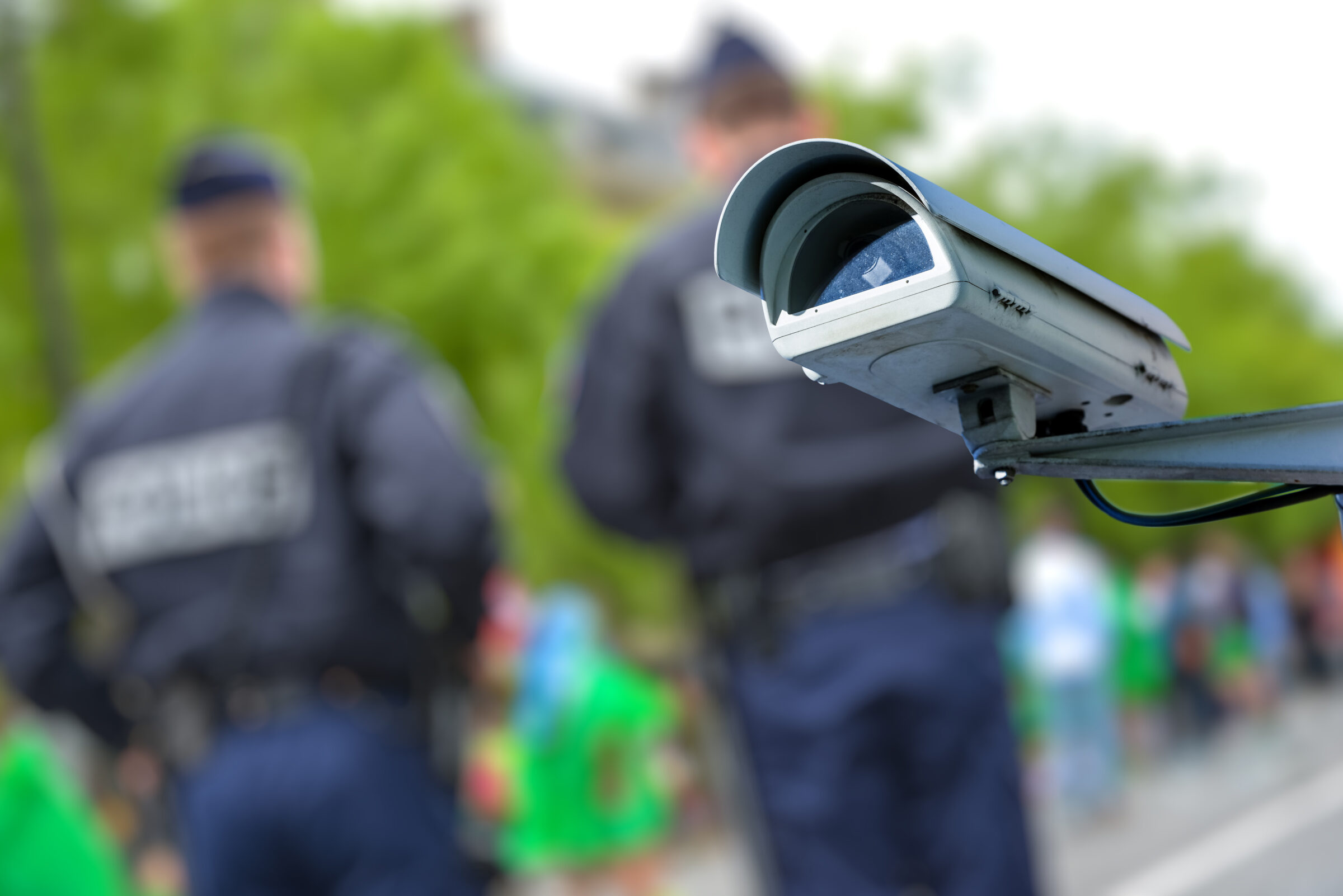
As AI-powered biometric identification is adopted by police, national authorities should go beyond legal requirements to build trust within the public, the EIU has advised. “To build public trust, law enforcement should publish the results of their fundamental rights impact assessments, going beyond what the AI Act requires,” said the Fundamental Rights Agency (FRA), an EU branch which keeps tabs on citizens’ freedoms, in Vienna on Wednesday (30 September). After collecting data from seven EU countries (France, Germany, Greece, Hungary, Italy, the Netherlands, and Ireland), the watchdog warned that several member states have yet to put necessary frameworks in place as they adopt automated systems to identify people. Remote biometric identification is increasingly used to compare people’s profiles against databases or watch lists, but as the technology develops it could be rolled out for real-time use in public areas. “With clear safeguards and independent oversight, remote biometric technologies can support policing without undermining the very freedoms it is meant to safeguard. Ultimately, it is about trust,” said FRA chief Sirpa Rautio. Call for disclosure mechanisms Effective implementation of the EU AI Act requires clear national laws and consistent safeguards to ensure that AI-powered technologies are not used to identify people taking part in peaceful demonstrations or public gatherings, the FRA says. The body warns that automated identification of live data may affect people’s private lives and interfere with their right to protection of personal data. In its survey, 37 percent of people said they fear their data could be used for unauthorised purposes. And 29 percent of people surveyed by FRA said they would be less willing to take part in peaceful demonstrations or protests if facial recognition was used. The FRA is worried that surveillance tech powered by AI could be used in exactly those scenarios. In principle, the EU’s AI Act adopted in 2024 bans real-time remote biometric identification systems in public spaces. But exemptions exist for law enforcement authorities using the technology for finding victims or missing persons, to prevent threats to life or physical safety, stop a terror attack, or to find criminal suspects.
EU states urged to ‘go beyond’ AI Act to protect people from abusive surveillance
Full Article
Original Source
Read the full article at Euobserver →KhanList aggregates and links to publicly available news content. We do not host full articles from third-party sources. Always verify important information with original sources.