
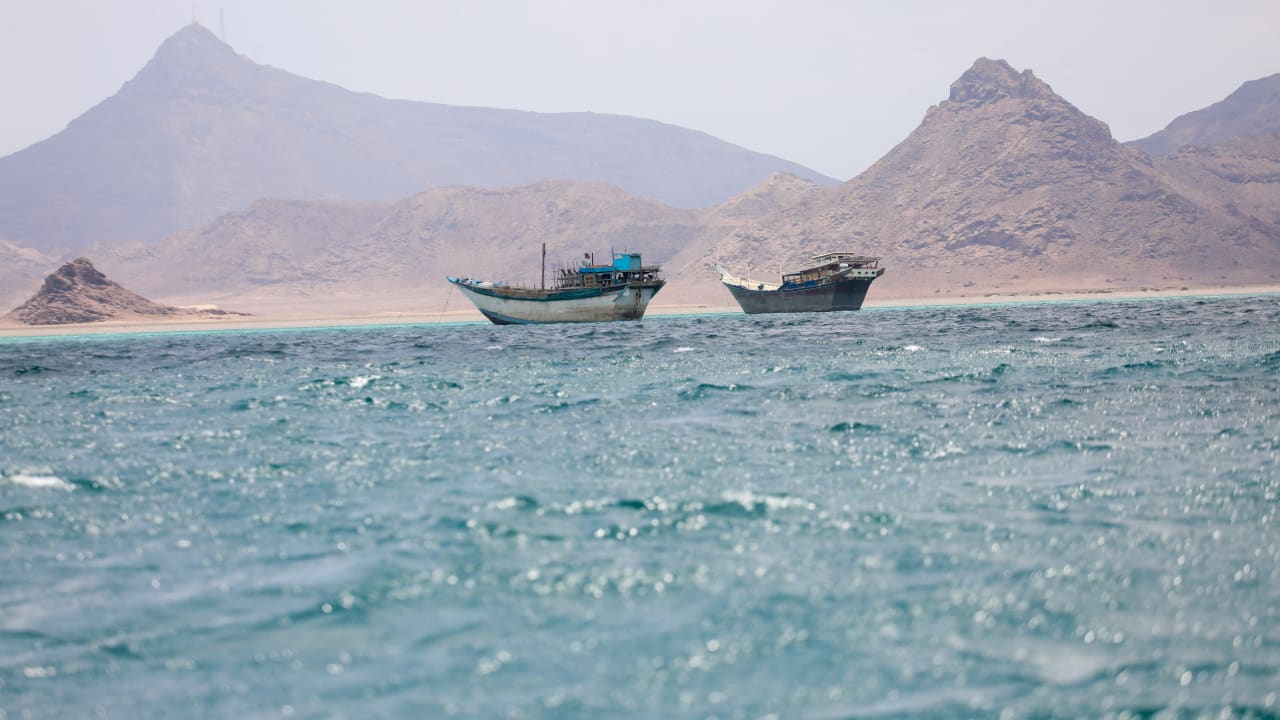
The EU's Red Sea naval mission has raised alert levels as Houthi forces expand control near key maritime routes, increasing threats to shipping and regional security.Follow us on GoogleBoats float near the coast of Bab el-Mandeb, Yemen, April 2, 2026.(photo credit: REUTERS/FILE PHOTO)SEPTEMBER 18, 2026 17:12The European Union's foreign policy chief, Kaja Kallas, said on Friday that the EU naval mission in the Red Sea, Operation Aspides, has raised the alert level for its vessels after the situation in the area worsened."Houthi attacks on Saudi Arabia are unacceptable and sabotage the global economy," she said in a post on X.She added that she had spoken with Saudi Foreign Minister Prince Faisal bin Farhan Al-Saud about diplomatic efforts to end the fighting in Yemen and restore freedom of navigation in the Strait of Hormuz.The Houthis have expanded their foothold around the Red Sea in recent weeks, capturing several strategically important locations near the Bab al-Mandab Strait, including Perim Island, which sits at the center of the narrow waterway.The Iran-backed group has also taken control of the Greater Hanish and Lesser Hanish islands, giving it additional positions from which to observe activity around one of the world's most vital maritime routes.Fighters loyal to the Houthi authorities, brandish their weapons during a rally to recruit more fighters, in Sanaa on September 10, 2026. (credit: Mohammed HUWAIS / AFP via Getty Images)Houthi positions increase risks for vessels crossing Bab al-MandabThe Bab al-Mandab remains open to commercial shipping, and the Houthis do not currently have the ability to completely shut down traffic through the strait. Their growing presence in the area, however, gives them better surveillance capabilities and more opportunities to threaten specific vessels.The strait, which separates the Red Sea from the Gulf of Aden, is only around 18 miles wide at its narrowest point. It serves as a key connection between the Indian Ocean and the Suez Canal, with energy shipments equivalent to roughly 7% of global oil consumption typically passing through the route.By controlling areas including Mocha, Dhubab, Perim Island, and the Hanish islands, the Houthis have increased their ability to track maritime movement and create uncertainty for commercial operators. Shipping firms and insurers factor these risks into their decisions, sometimes raising costs or avoiding routes altogether when they believe a vessel could become a target.Houthis use growing foothold to pressure Saudi ArabiaThe Houthis have also sought to use their strengthened position to pressure Saudi Arabia, including through attacks targeting the kingdom’s infrastructure and renewed threats against Saudi territory, including remarks involving Mecca.The situation illustrates the broader impact of the Houthi threat, even without the group fully controlling the maritime passage. The risk of attack alone was enough to influence decisions by shipping companies, insurers, financial institutions, and logistics operators.Anna Barsky contributed to this report. Follow us on Google
EU Operation Aspides raised alert level of its ships after Houthi attacks, Kallas says
Full Article
Original Source
Read the full article at Jpost →KhanList aggregates and links to publicly available news content. We do not host full articles from third-party sources. Always verify important information with original sources.