
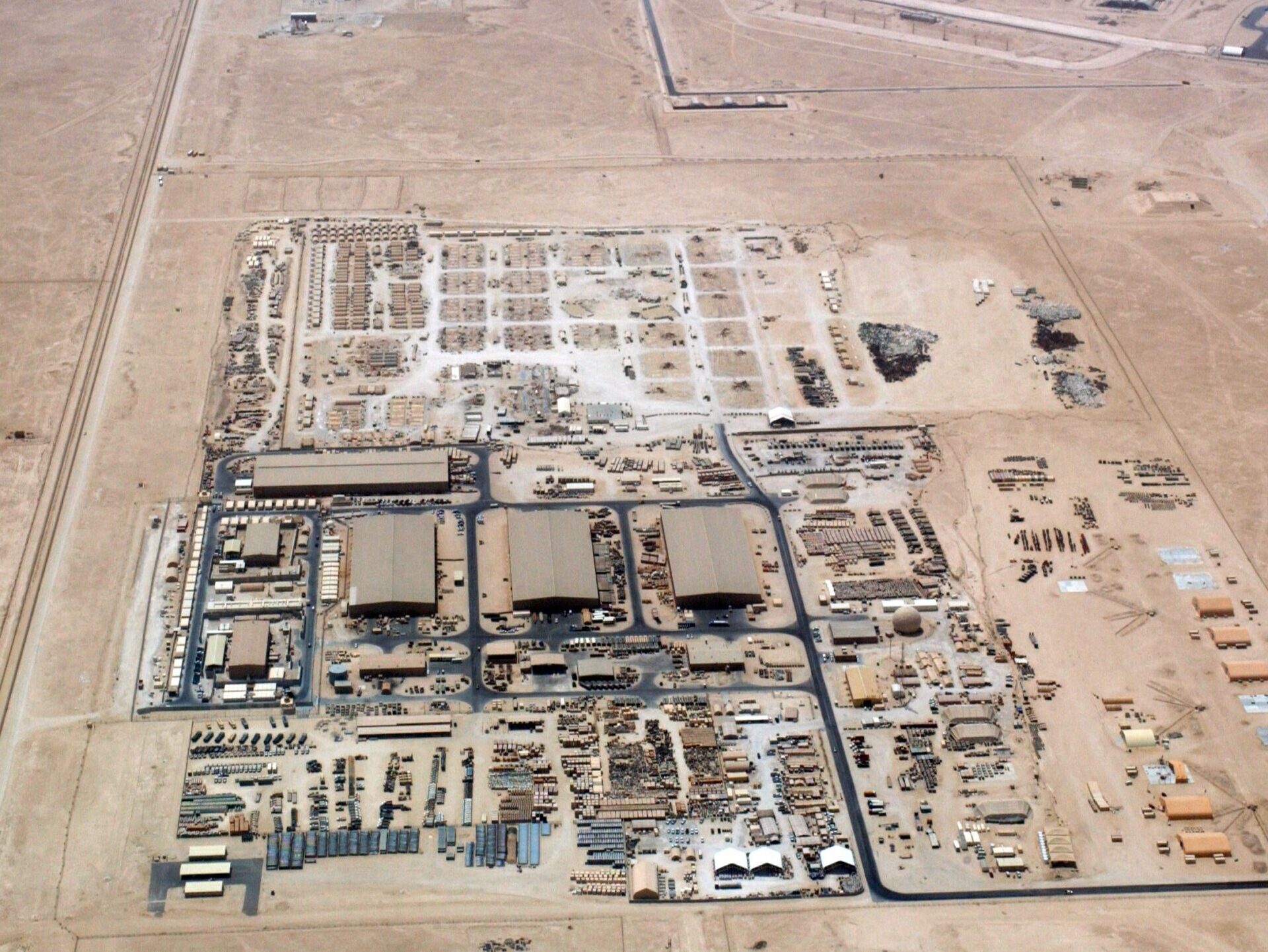
October 14, 2026 • 8:00 am ET Michael Dunn, Abraham Holland, and Marcus Lee The United States and its allies operate hundreds of military installations located outside of the continental United States (OCONUS). The largest concentrations of these installations are distributed across Europe, the Indo-Pacific, and the Middle East, but the United States and its allies also have installations across other major operating regions and under a wide range of postures, including permanent bases, rotational sites, access locations, and other operating arrangements. Most of these installations depend on the host nations for access to power and electrical grids; fuel infrastructure used to receive, store, and deliver military-grade fuels for installation needs and combat platforms; and access to fresh water. Simultaneously, modern warfare is increasingly energy intensive. Drones, artificial intelligence, distributed sensing, and other advanced systems are erasing the traditional distinction between operational and installation energy requirements. Installations and the infrastructure they rely on are now inextricably linked to the systems and platforms used in modern warfare. The ongoing conflicts in Ukraine and Iran demonstrate the strategic importance of this linkage, as power, fuel, and water infrastructure remain key targets in those regions. Real energy security at OCONUS installations is a multifaceted problem: US forces need to be able to maintain readiness when the world goes dry (loss of potable water), dark (loss of power), and empty (depleted fuel stocks due to disrupted supply chains). Growing threats to US national interests make a comprehensive review of installation infrastructure and power, fuel, and water systems increasingly urgent. This review could identify the tools needed to keep military departments ready for the next conflict and guide strategic investments in force-multiplying capabilities that strengthen mission readiness. Because US forces operate in combined and joint environments with allies, partners, and host nations, this effort should also integrate additional evaluation tools, funding resources, and long-term strategic planning to sustain military capabilities. view the full issue brief about the authors stay connected Sign up for PowerPlay, the Atlantic Council’s bimonthly newsletter keeping you up to date on all facets of the energy transition related reading explore the program The Global Energy Center develops and promotes pragmatic and nonpartisan policy solutions designed to advance global energy security, drive economic opportunity, and foster a sustainable energy future. Image: Al Udeid Air Base in Qatar faces fuel logistics challenges. Source: US National Archives.
Ensuring US military readiness in the face of water, power, and fuel shortages
Full Article
Original Source
Read the full article at Atlanticcouncil →KhanList aggregates and links to publicly available news content. We do not host full articles from third-party sources. Always verify important information with original sources.