
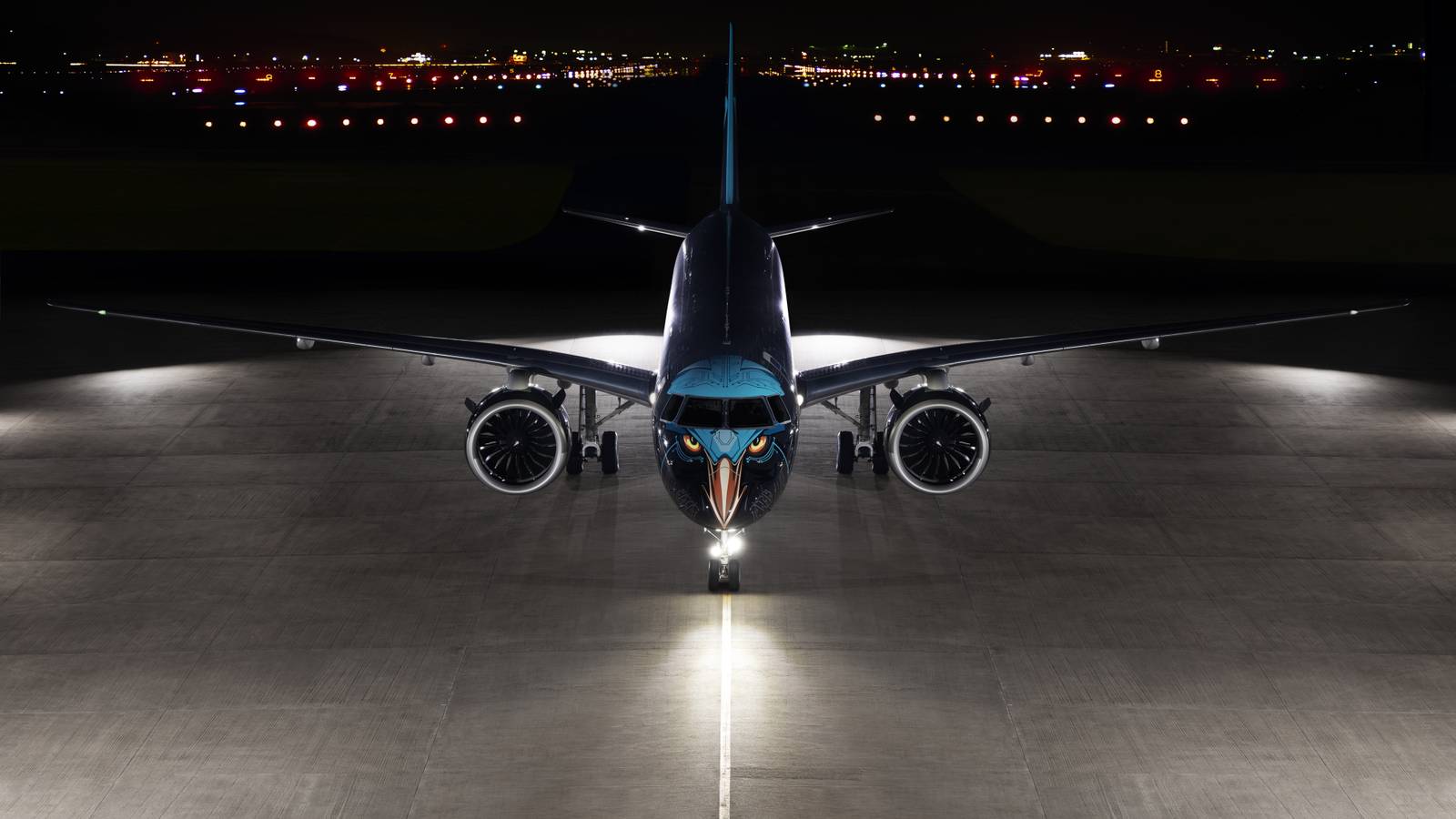
Credit: Embraer Published Sep 23, 2026, 1:01 AM EDT Luke Diaz is a freelance military writer with experience with active duty experience in the US Navy as well as defense and industrial engineering. He is a former Naval Flight Officer who performed tactical air control on the carrier-based E-2 Hawkeye. Sign in to your Simple Flying account A critical GPS fault that has impacted the worldwide fleet of Embraer E190-E2 and E195-E2 jets has reportedly led the plane maker to open a crisis room with avionics supplier Honeywell. According to Aeroin.net, the fault was first detected at Azul Linhas Aéreas, and airlines on several continents have begun canceling flights. Azul grounded the 43 aircraft in its fleet upon discovery of the system problem at 5:30 PM on Tuesday in Brazil. Two planes were airborne at the time. There are currently 200 aircraft in service with 24 airlines around the world which are installed with Honeywell Primus Epic 2.0 navigation systems. Tuesday Evening's Global Crisis For Embraer Credit: Embraer Embraer gave a statement saying that it is jointly investigating the event with Honeywell to find the cause and assess corrective measures. The crisis room was established rapidly after the initial report of the GPS fault from Azul. The Brazilian planemaker promised to provide updates as progress is made by the technical support team. In Canada, Porter Airlines also canceled a series of flights that were scheduled to operate on E2 jets. Virgin Australia followed suit, as did airlines in Europe including Binter, KLM, and Luxair. It has not yet been confirmed if Asia-based operators Royal Jordanian and Hunnu Air also grounded their respective fleets or not. Flightradar24 posted on X that it is tracking some ongoing service by a handful of E2s. Aeroin reported this bulletin which was issued by Embraer Technical Services to operators around the world. It instructs carriers how to implement a temporary fix, but to be aware that the error can still occur and a permanent solution has not yet been created: "A system reset has been reported as a temporary solution to restore normal GPS signal reception; however, the failure condition may occur after the reset." The Worldwide Impact On Puddle Jumper Ops Credit: Embraer Cancellations and delays continue to compound at busy hubs in Canada, Brazil, and Europe. Aviacionline reported that airlines across the continent who fly the E2 aircraft are recommending customers check itineraries before heading to the airport. Meanwhile, the planes have been grounded in Embraer's home country where bottlenecks at airfields across the country are beginning to mount. Airline E190-E2 & E195-E2 Fleet Count Porter 52 Azul Brazilian Airlines 43 KLM Cityhopper 25 Mexicana de Aviación 20 Luxair 6 LATAM Airlines Brasil 74 on order GOL Linhas Aéreas 20 on order LATAM avoided the operational crunch as the jets that it has on order have not yet entered service. Similarly, GOL does not have any of the specific models impacted by the GPS fault in its current fleet. Aside from Azul, the only other impacted operator in Central or South America was Mexicana de Aviación, however its fleet is half the size of Azul and Porter's inventory. Aircraft On The Ground: Stranded By Honeywell Credit: Embraer The design factor that sets the Honeywell Primus Epic 2.0 system apart in the regional jet market is that it brings heavy, long-haul widebody technology down into a smaller, regional airframe. The Primus Epic 2.0 uses a system called Interactive Navigation. This allows pilots to use cursor-control trackballs directly on the main landscape displays, clicking directly on a visual map to drag, drop, and alter their route in real-time. It integrates advanced environmental tracking directly into the primary pilot displays. It pairs a 3D synthetic vision system. It renders real-time digital terrain, mountains, and runways even in absolute zero visibility with an advanced 3D weather radar system that automatically scans and isolates storm cells at multiple altitudes. By blending this degree of visualization with a next-generation flight management system, it allows regional crews to execute incredibly complex, tight satellite-guided approaches into difficult, short-runway regional airports. At this time, ramp workers essentially have no choice but to handle it by treating the cockpit like a frozen computer. They pull the main electrical circuit breakers to cut all power to the electronics bays, forcing the navigation modules to clear their memory and execute a cold restart. If the reboot succeeds, the software correctly catches the satellite signals and clears the error code. Given the risk, many carriers have chosen not to even attempt such a procedure and rather ground the planes until a mature fix is developed. The only final resolution is for Honeywell engineers to release a standard software patch that maintenance crews can download and flash directly into the planes.
Embraer Opens Crisis Room As Global E2 GPS Failure Forces Airlines To Cancel Flights
Full Article
Original Source
Read the full article at Simpleflying →KhanList aggregates and links to publicly available news content. We do not host full articles from third-party sources. Always verify important information with original sources.